

Key takeaways
- The conference highlighted how working across agriculture, community, government, research and other sectors can build skills, strengthen regional communities and open up new opportunities.
- The TNQ Drought Hub brought a strong regional resilience focus to the conference. Hub representatives contributed across multiple sessions, including presentations on remote community collaboration and agricultural development, a panel on 10 years of northern Australia impact, and a workshop led by Director Karen George that explored how to understand and measure climate resilience in northern regions.
- Resilience is about having options. A resilient farm business is not just one that can get through drought. Diversified income, financial reserves, manageable debt, productivity and the ability to invest in improvements can all strengthen a business for changing conditions.
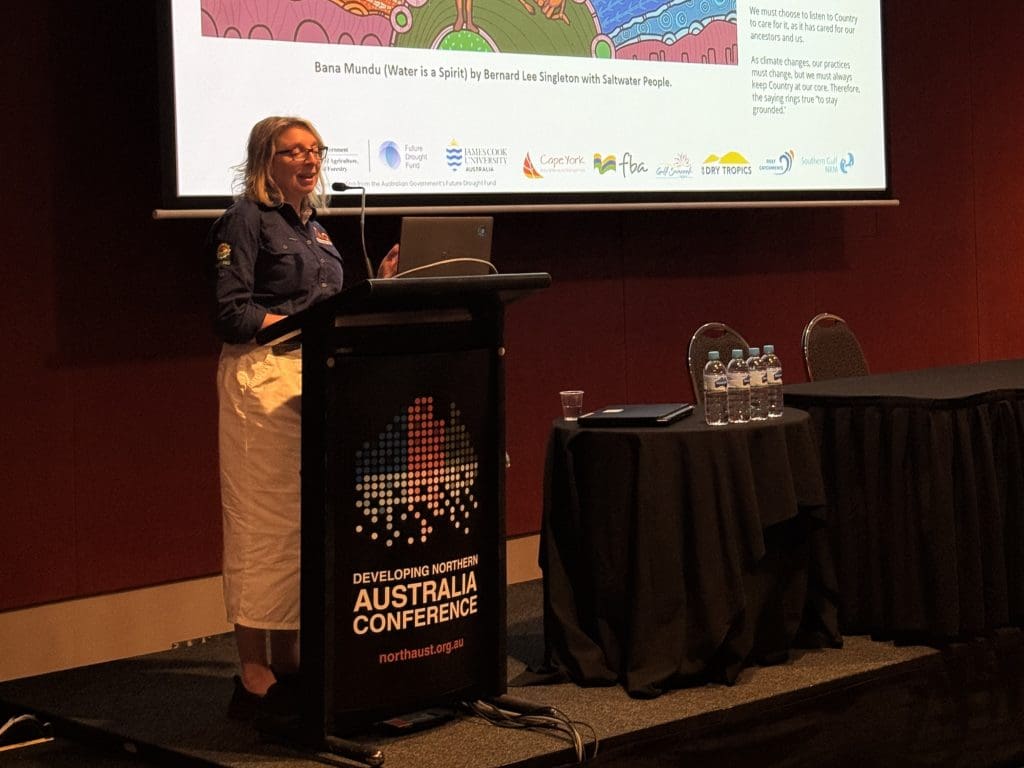
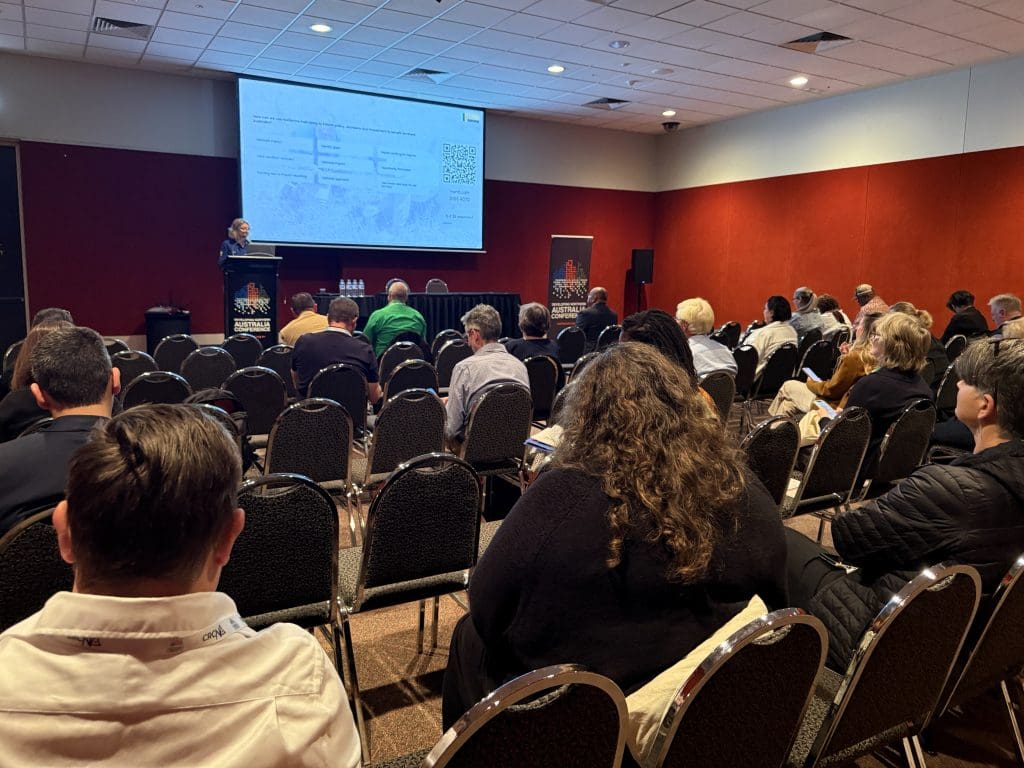
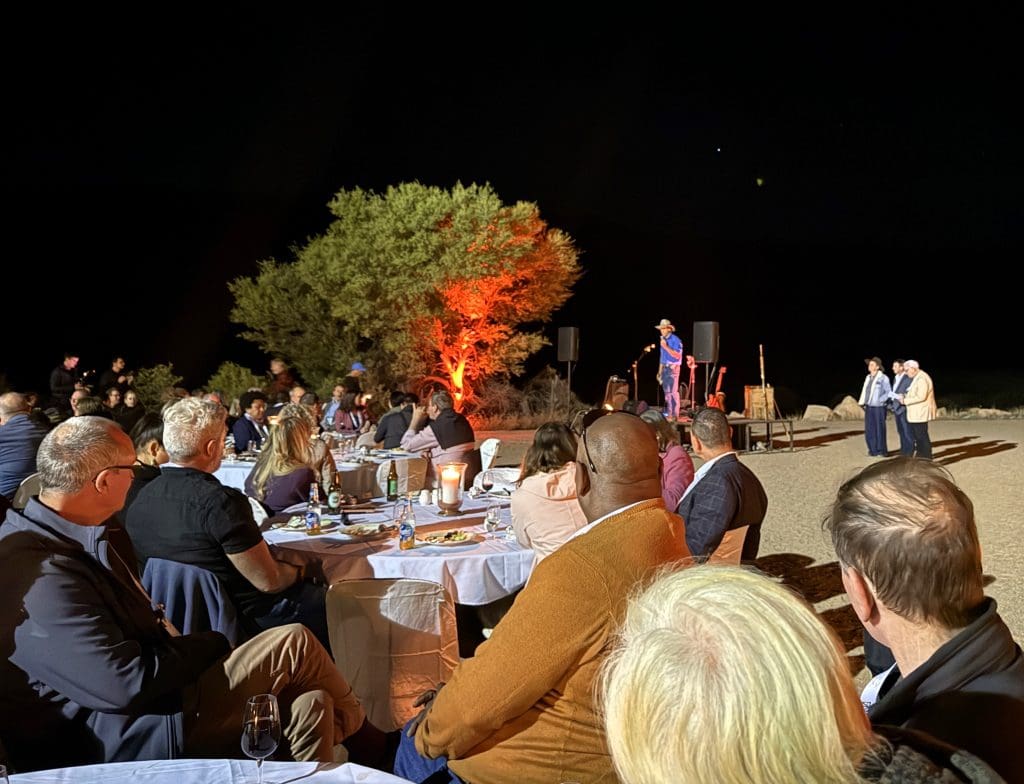
The TNQ Drought Hub joined regional leaders, researchers, industry and community representatives in Alice Springs at the start of August for the Developing Northern Australia Conference, which focused on sharing insights and projects aimed at building stronger, more adaptable northern communities and industries.
The Hub was represented across several sessions, highlighting the importance of collaboration, informed decision making and locally relevant approaches to resilience.
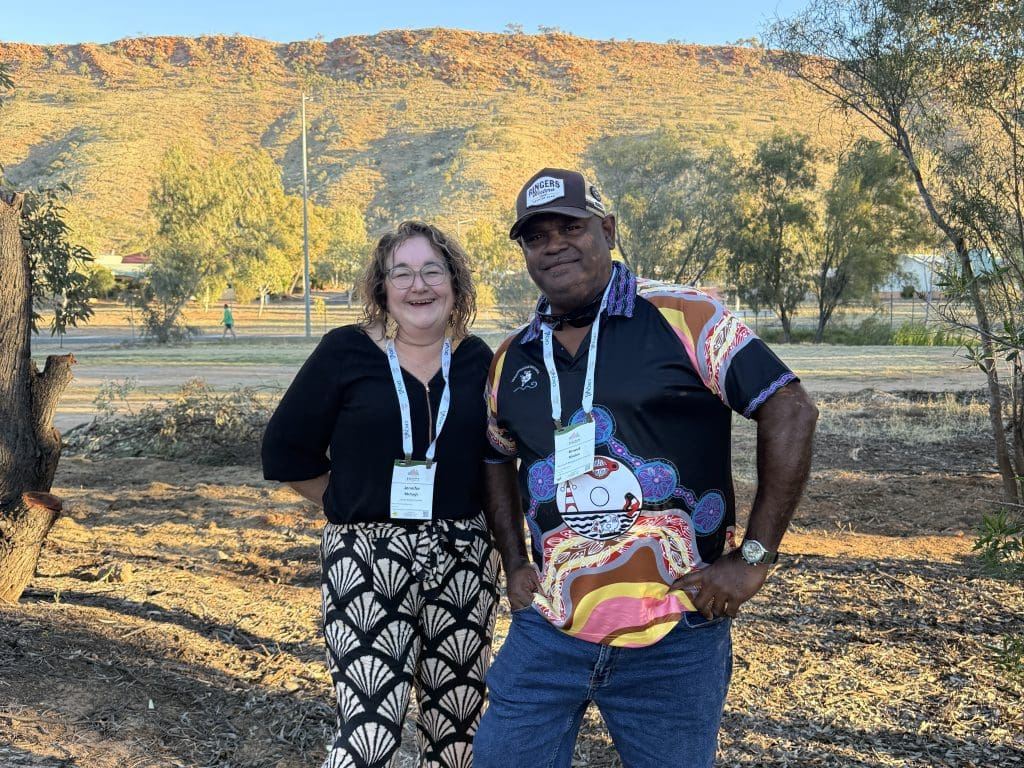
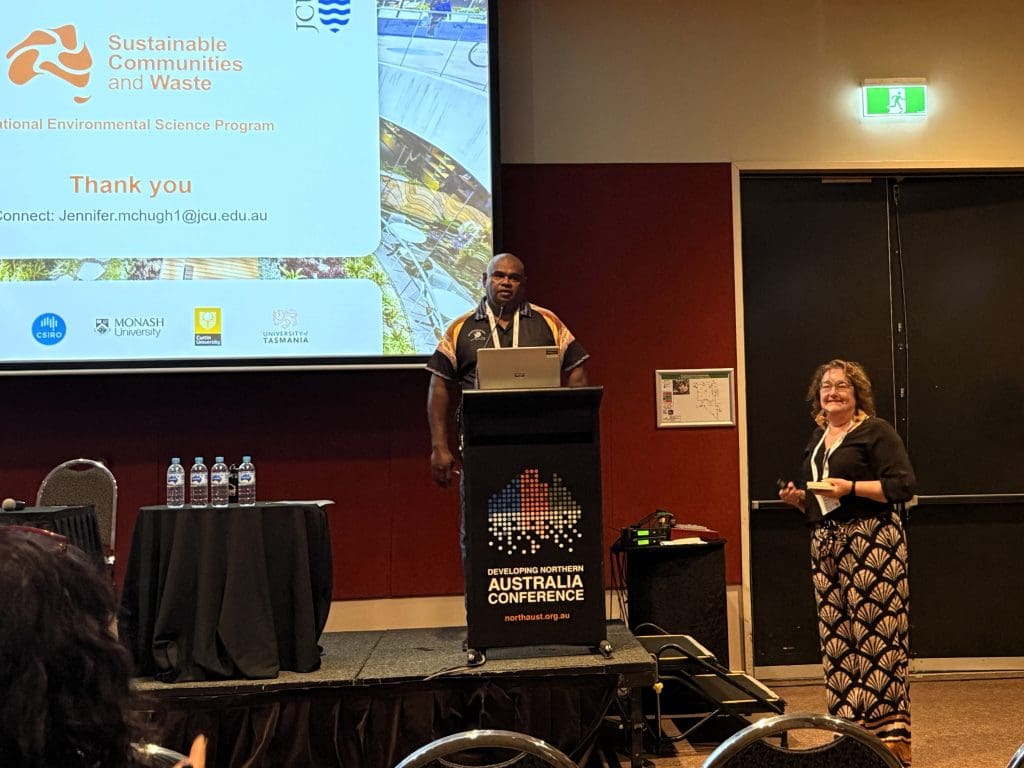
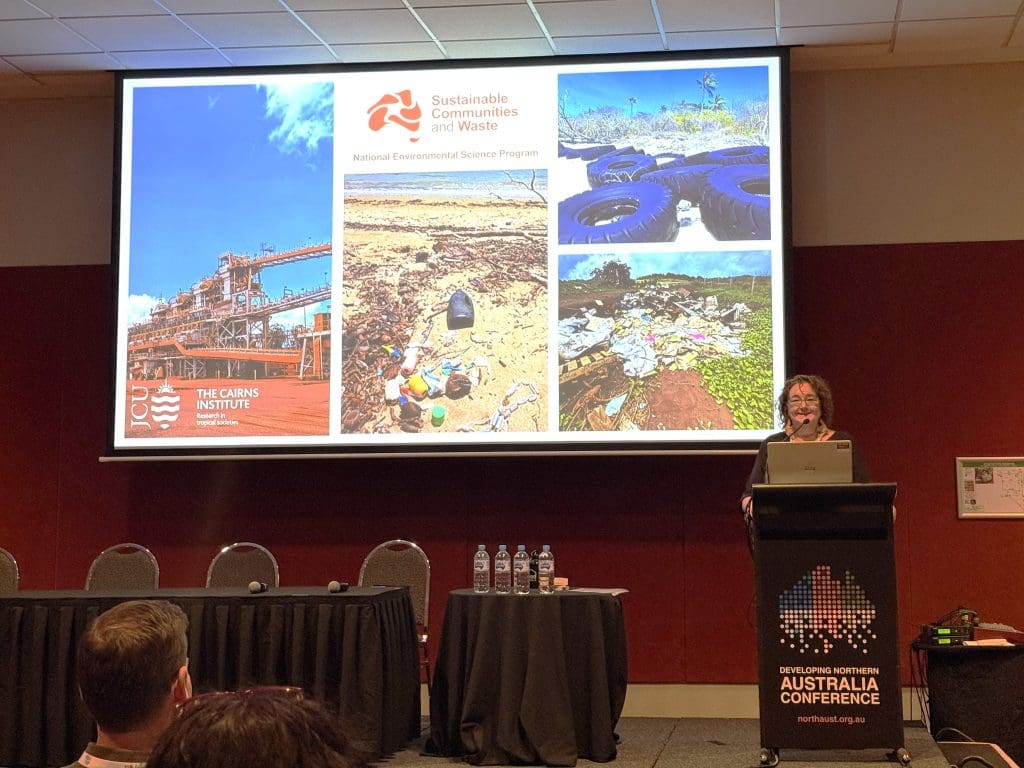
TNQ Drought Hub Sustainable Aboriginal and Torres Strait Islander Enterprise (SATSIE) Program Coordinator Jen McHugh co-presented with Napranum Aboriginal Shire Councillor, Ernest Madua on Applying Circular Economy Principles Through Cross-Sector Collaboration in Remote Communities, exploring how collaboration across different sectors can support new opportunities and strengthen remote communities.
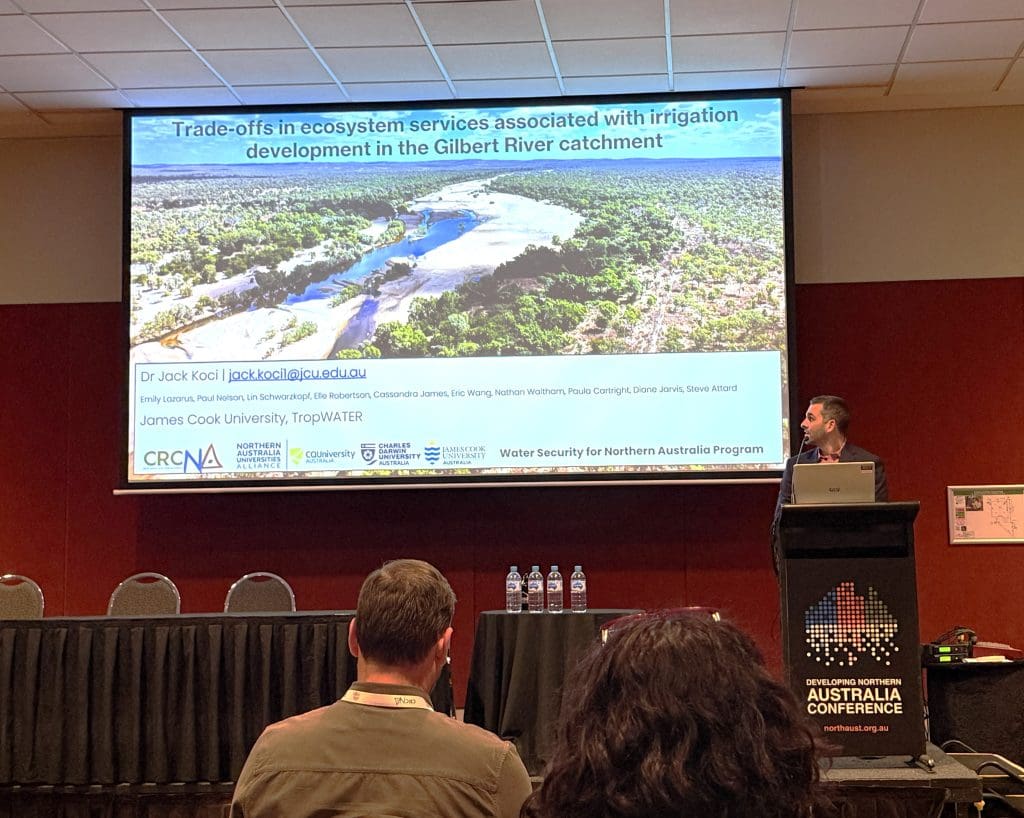
James Cook University Senior researcher and hub project lead, Jack Koci also presented research examining ecosystem service trade-offs under irrigated agricultural development in the Gilbert River Catchment. The work provides an important perspective on balancing agricultural development with environmental outcomes in northern landscapes.
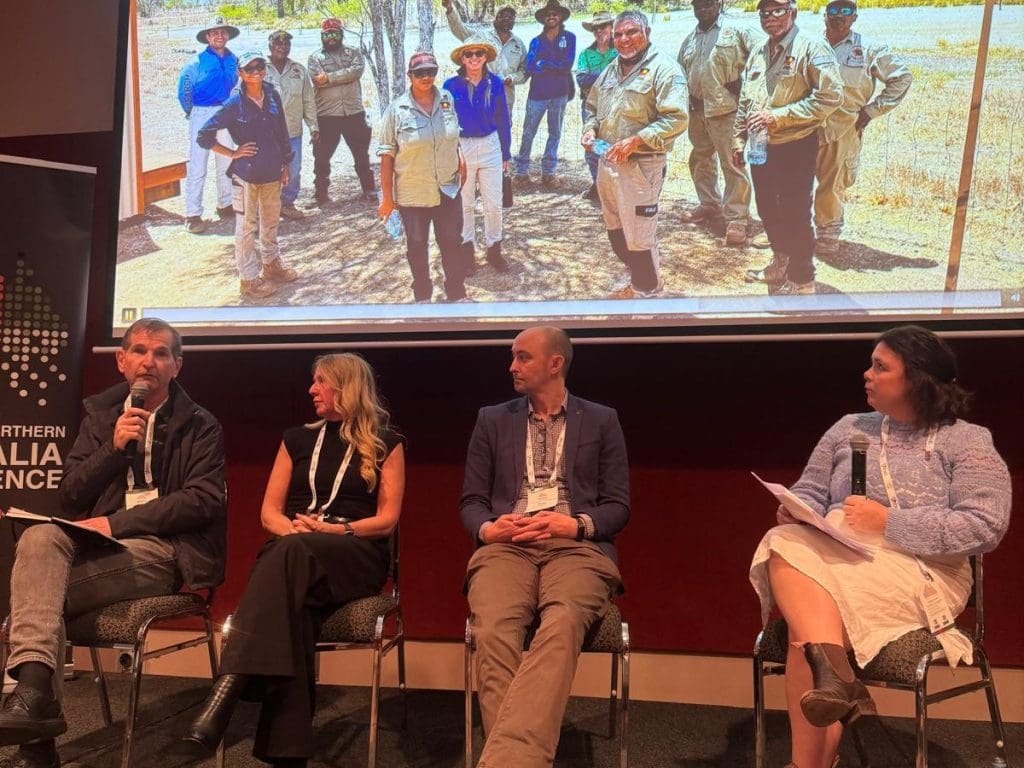
Hub SATSIE Program Lead, Jim Turnour joined the panel discussion CRCNA’s Living Wake: 10 Years of Impact, reflecting on the role of collaboration and investment in shaping the future of northern Australia.
What does resilience look like in northern Australia?
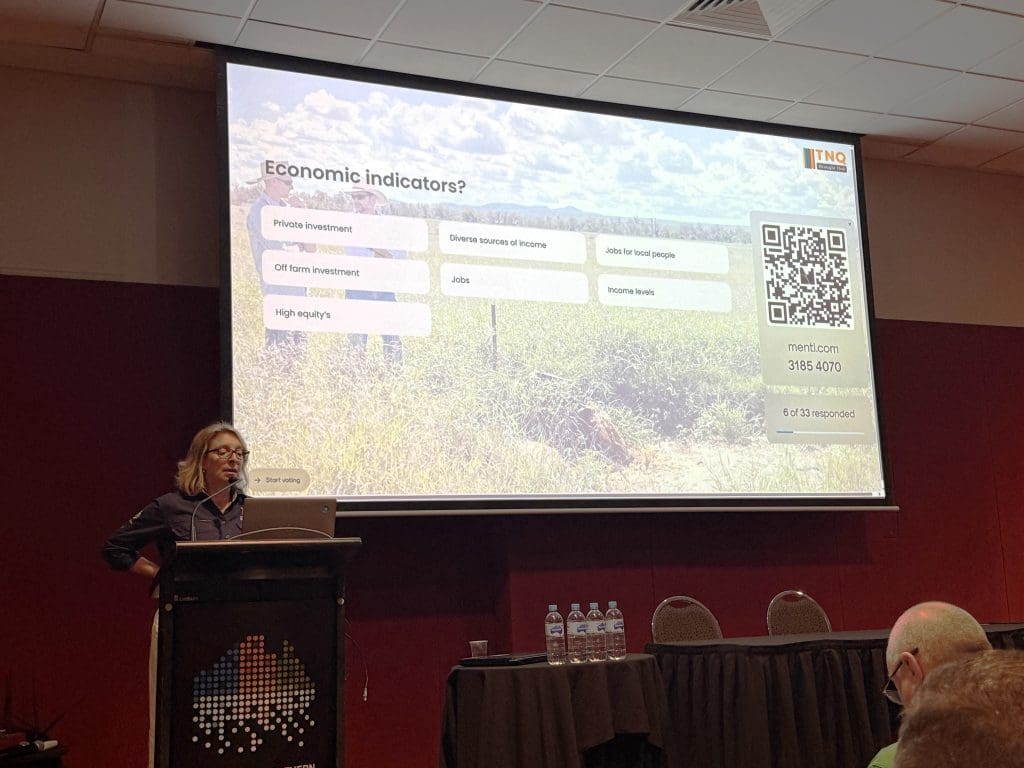
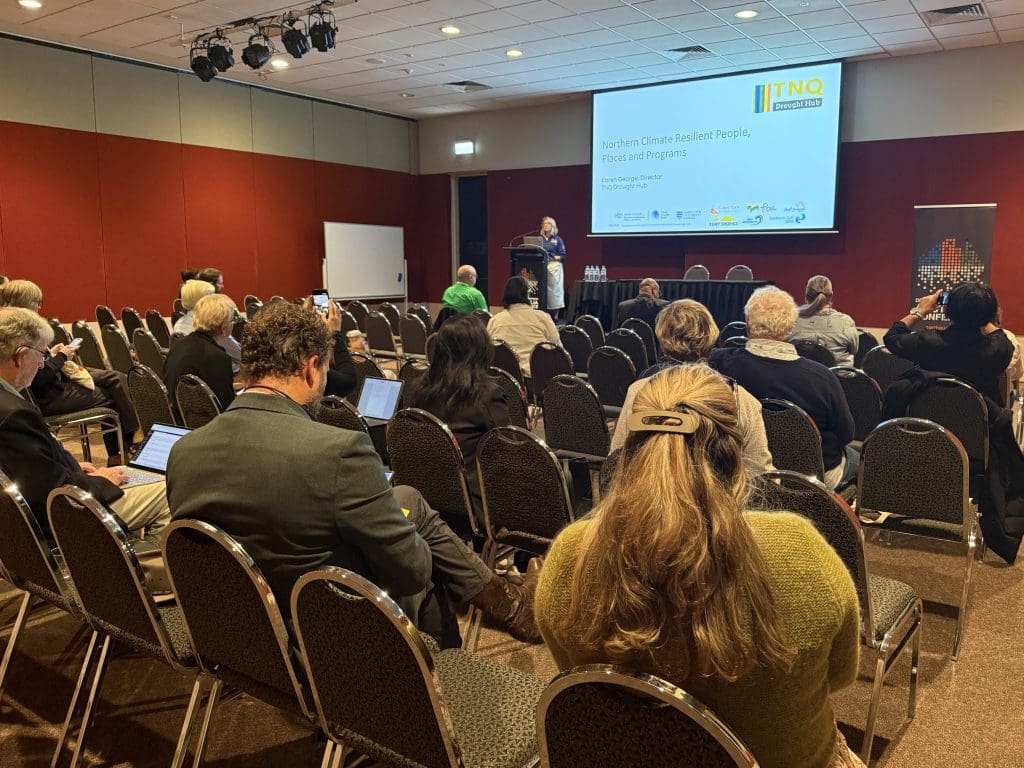
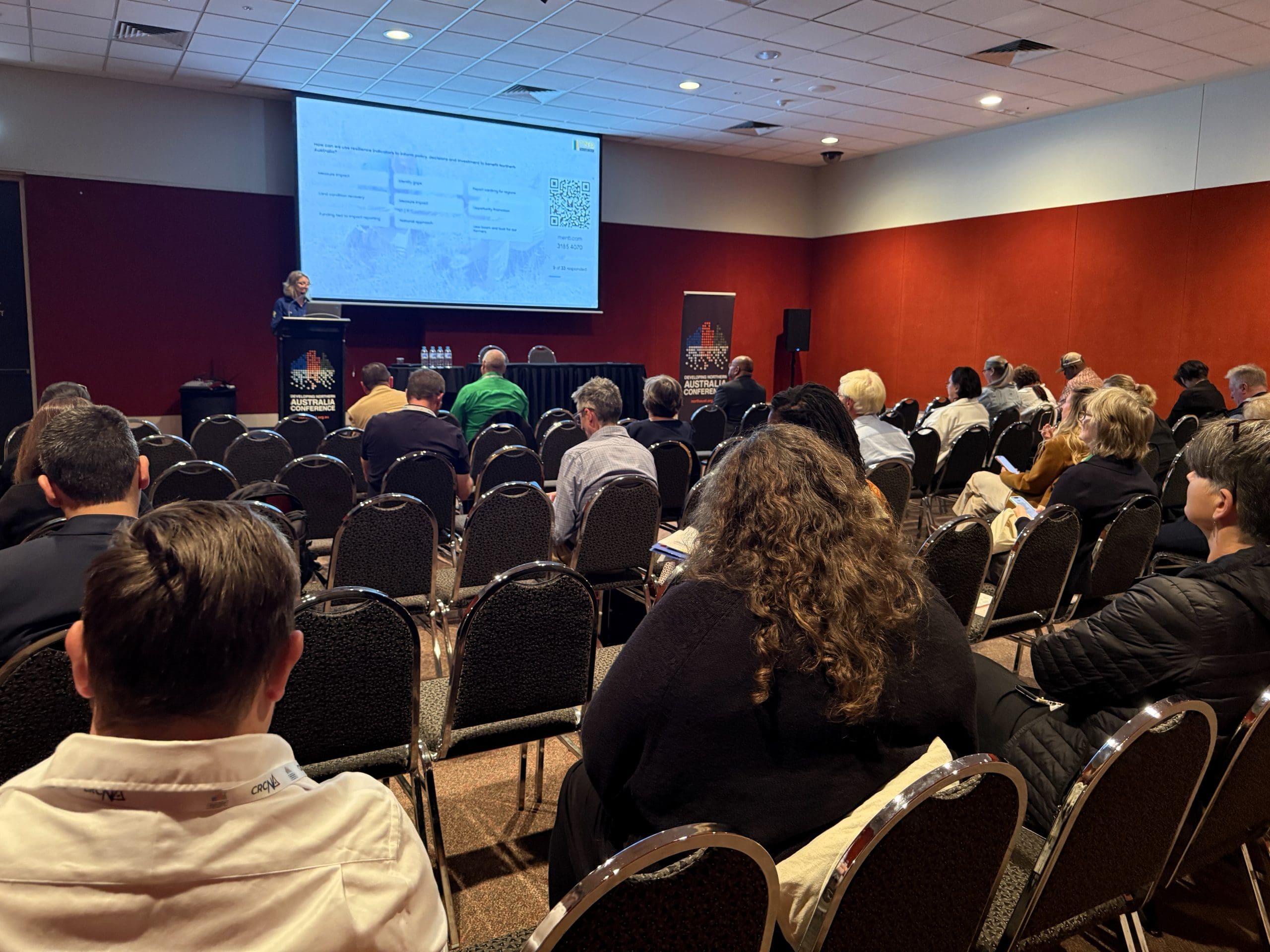
A key focus was the hub’s contribution to the People & Place session, where Director Karen George led a workshop on Northern Climate Resilient People, Places and Programs.
The workshop explored what resilience means for northern Australia and how it can be better understood and measured. Participants identified adaptability, community, confidence, collaboration, diversification, preparedness and the ability to anticipate challenges as important characteristics of resilient regions.
The discussion also highlighted that resilience extends well beyond responding to a drought or other event. Economic indicators identified by participants included diverse income sources, productivity, reserves, low debt, business confidence and the ability to invest in improvements.
For communities, strong networks, connectedness, volunteers, access to services and people staying in the region were seen as important signs of resilience. Environmental measures included good land condition, ground cover, healthy waterways, biodiversity and sustainable agricultural practices.
The workshop also asked how these indicators could be used to guide investment and decision making. Participants highlighted opportunities to measure impact, identify gaps, support investment and create a stronger evidence base for regional priorities.
For primary producers, the discussion reinforces that resilience is not one measure or one action. It is about having options, maintaining productive landscapes, strengthening connections and making informed decisions that support the business through changing conditions.
The conference, presentations and networking opportunities provided a valuable space for attendees to start and continue conversations about the opportunities, challenges and partnerships that can help strengthen the resilience of Northern Australia.