


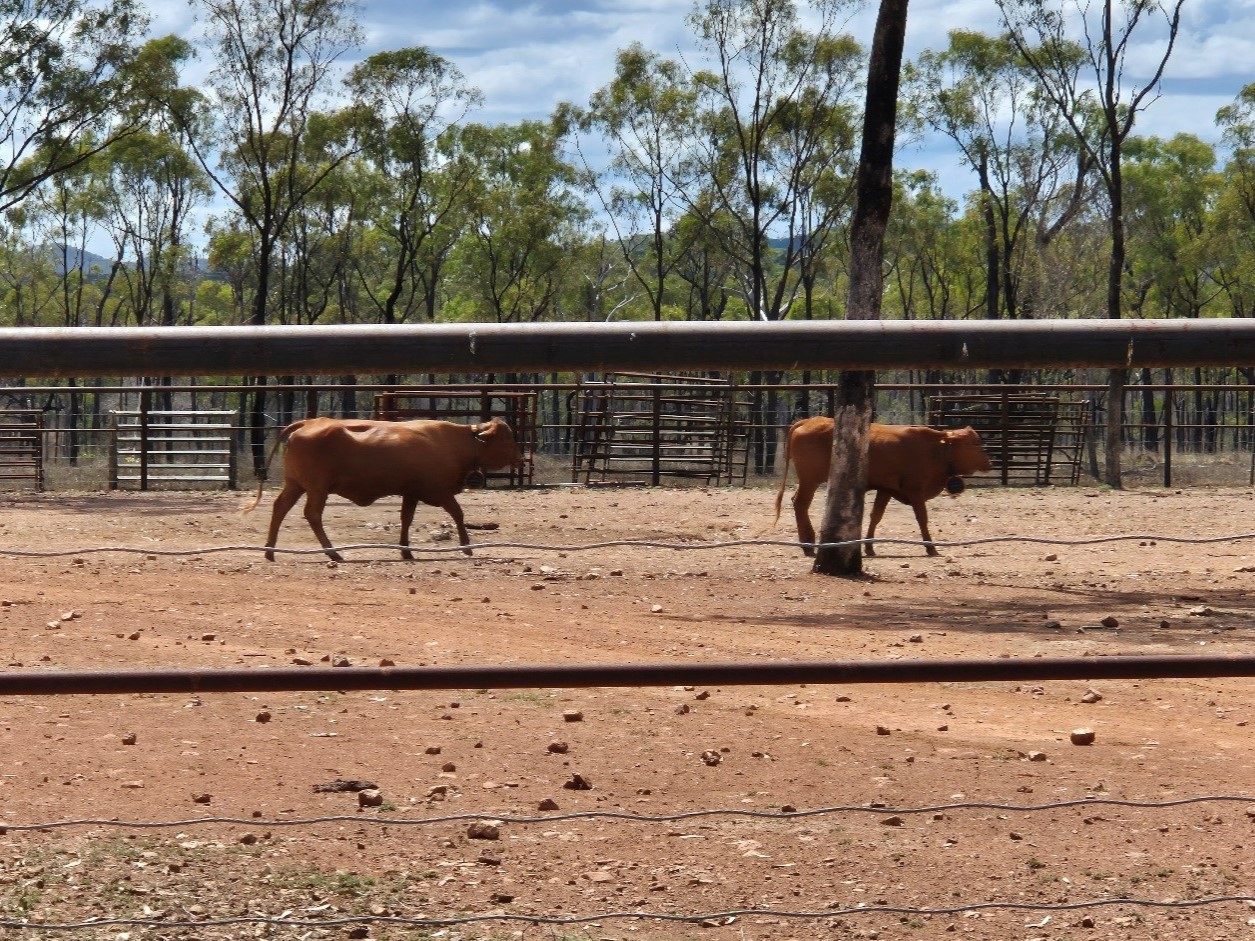
Virtual fencing could give graziers greater flexibility to manage cattle movement, rest pastures and make better use of available feed. A long-term trial at Spyglass is exploring how the technology could work in northern Australian grazing systems and whether the benefits stack up for producers.
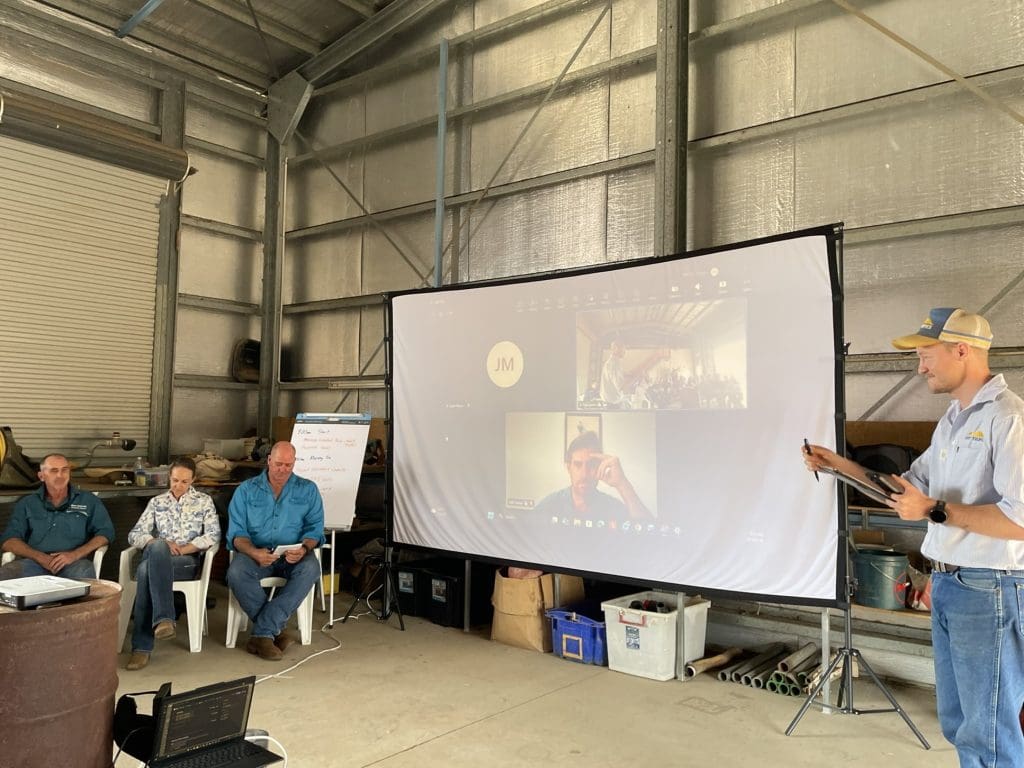
On 22 October, over 40 producers, researchers, industry representatives and government stakeholders attended a field day hosted by NQ Dry Tropics and the Queensland Department of Primary Industries (DPI) to learn more about the Virtually Fence Free Project and its progress.
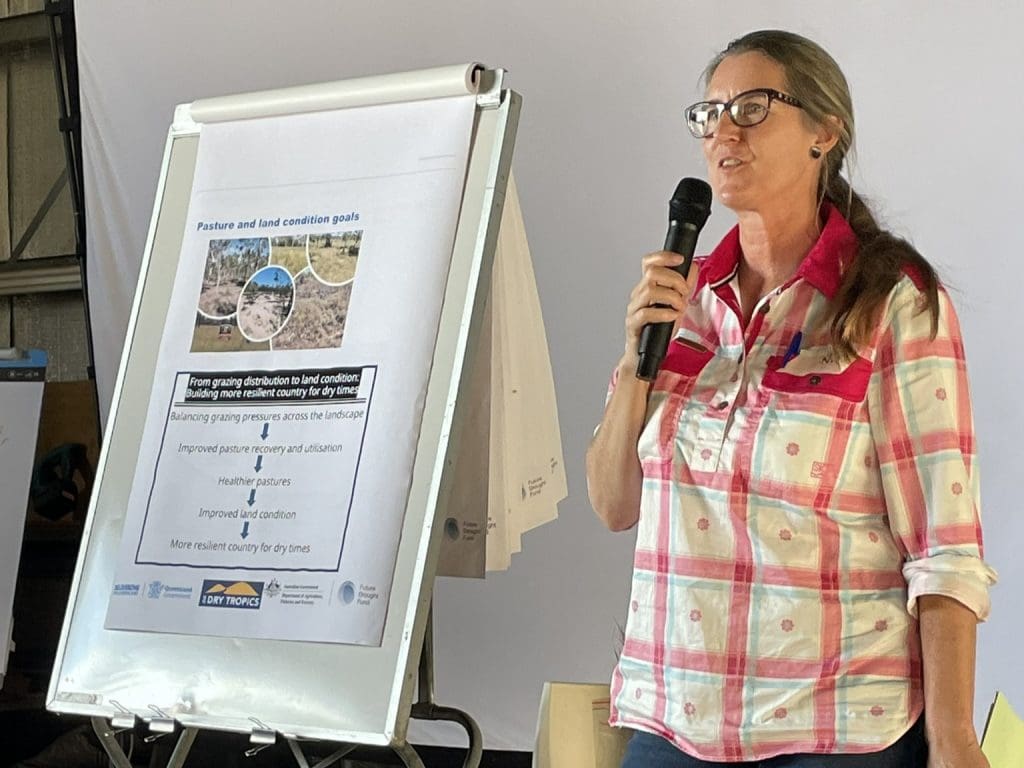
Funded through the Australian Government’s Future Drought Fund, the project is investigating how virtual fencing can influence grazing distribution, pasture utilisation, land condition and cattle performance under northern Australian grazing conditions.
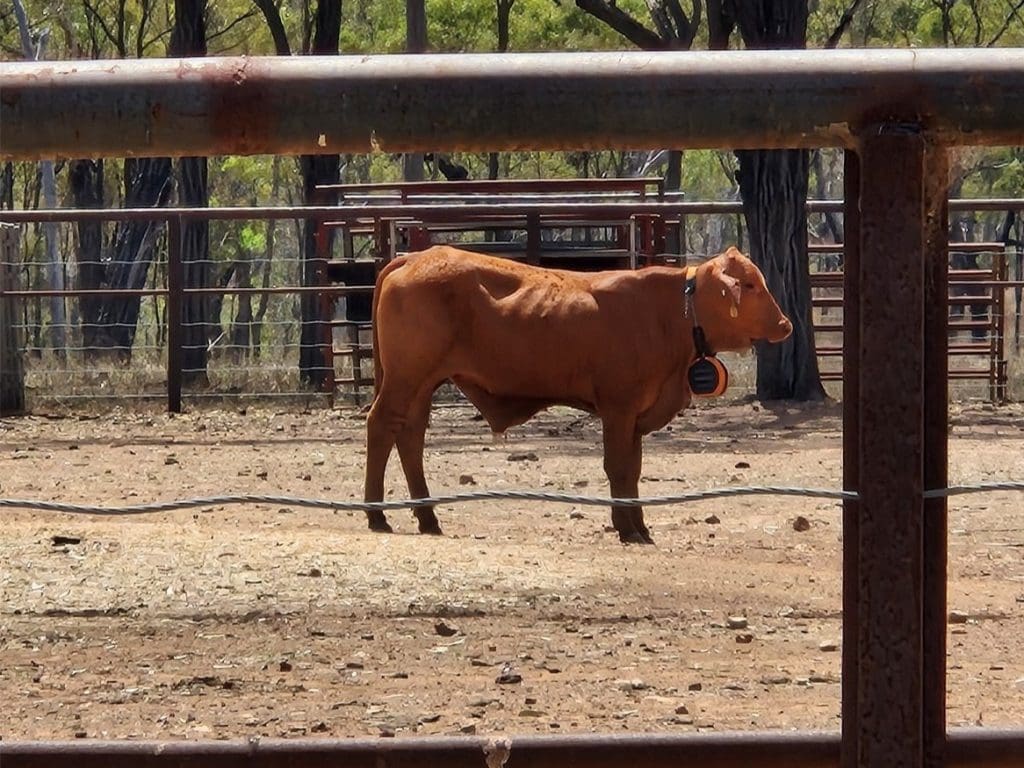
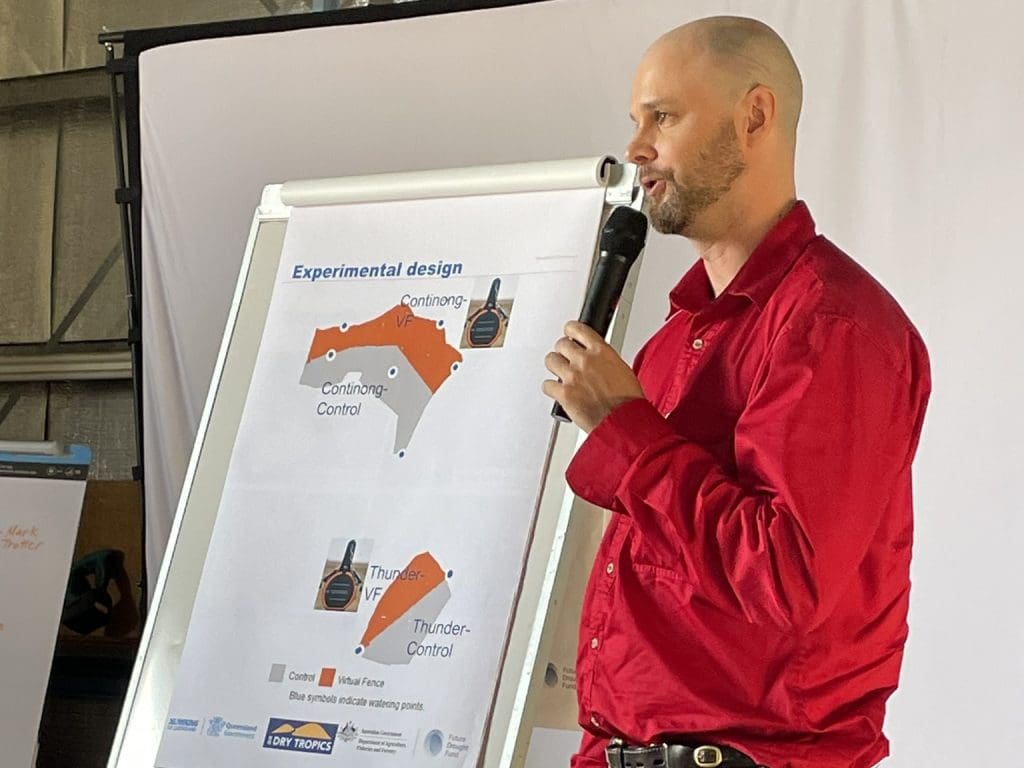
Using GPS-enabled collars and digital boundaries, virtual fencing allows producers to influence cattle movement without relying entirely on traditional fencing infrastructure. At Spyglass, researchers are exploring how the technology can direct cattle away from productive flats, allowing these areas time to rest and recover, while encouraging grazing on less preferred hill slopes.
The trial is also monitoring how cattle respond to virtual boundaries, alongside pasture and land condition, livestock nutrition and animal welfare. Understanding how reliably cattle adapt to the technology is an important part of assessing its suitability for northern production systems.
Practical experiences and lessons for producers
A producer panel explored the practical considerations of adopting virtual fencing, sharing experiences with cattle training, connectivity, collar performance and everyday property management. Discussions also covered opportunities to improve carrying capacity, infrastructure requirements and the costs of implementation.
DPI economists Janna Sim and Ray Murphy discussed the initial investment and ongoing costs, including collars, connectivity, software subscriptions and maintenance, against potential benefits such as reduced labour, improved grazing distribution and greater management flexibility.
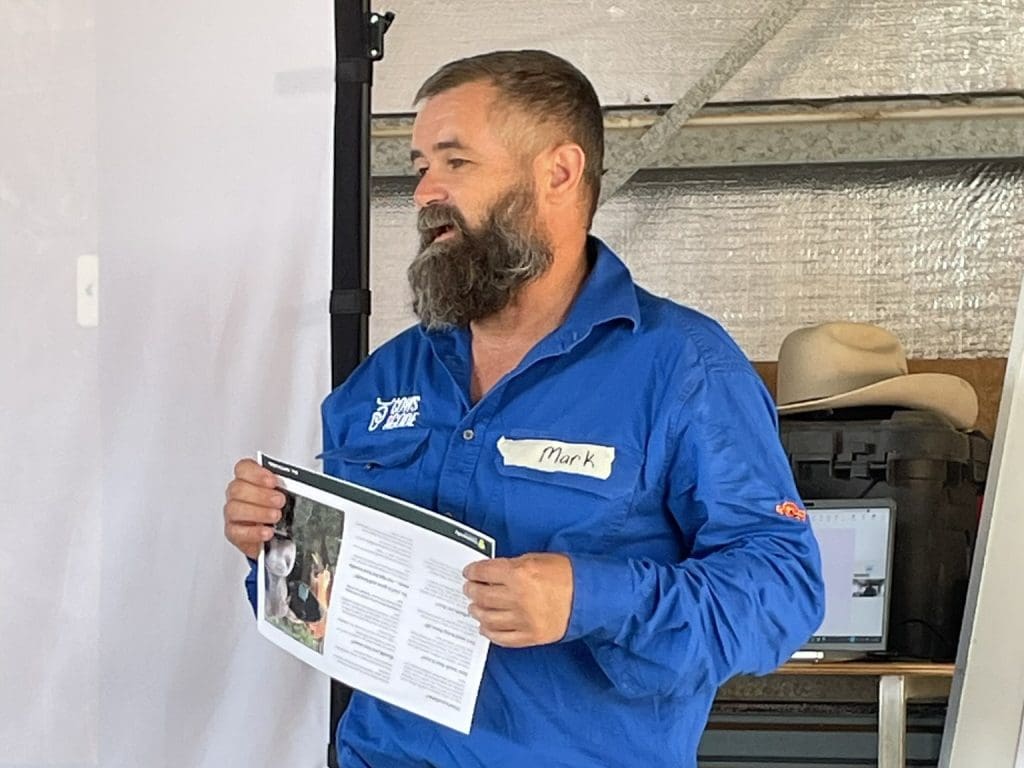
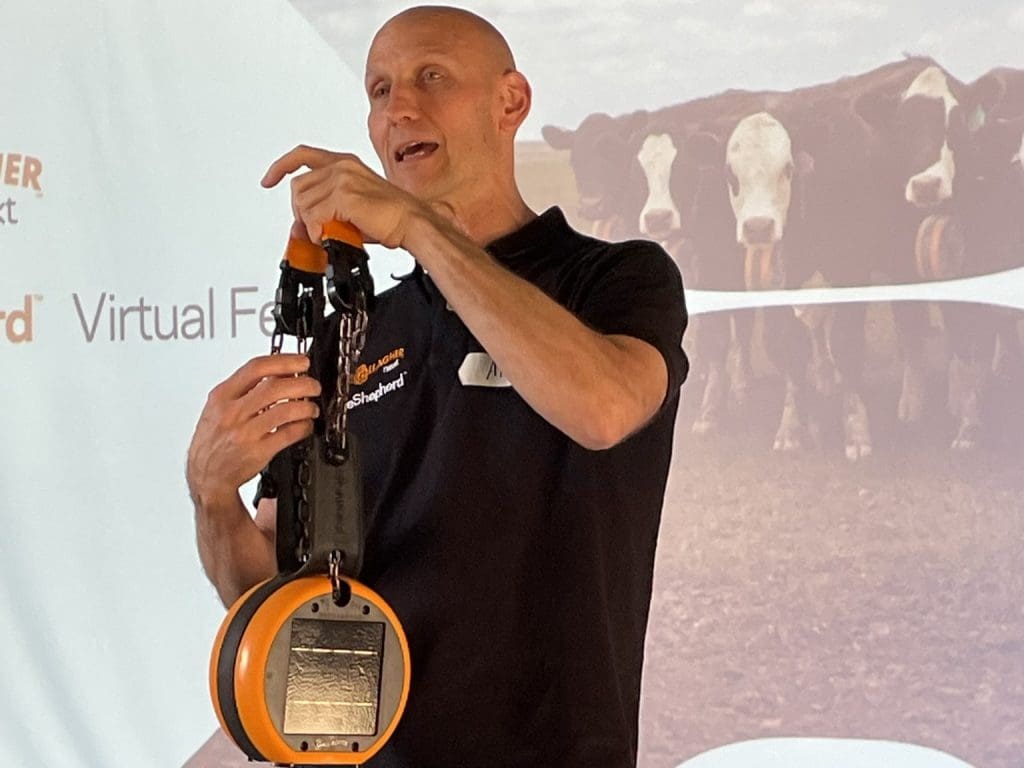
Participants also heard from CQUniversity’s Professor Mark Trotter about precision livestock technologies, including sensors and livestock tracking, and received an update from Gallagher’s Andrew Zipsin on the development of its eShepherd virtual fencing system.
A key takeaway was to start with the problem a producer wants to solve, then consider whether the technology is suitable for their property, cattle and business. Essential infrastructure, including water and conventional fencing, should also remain a priority when considering new technology investments.
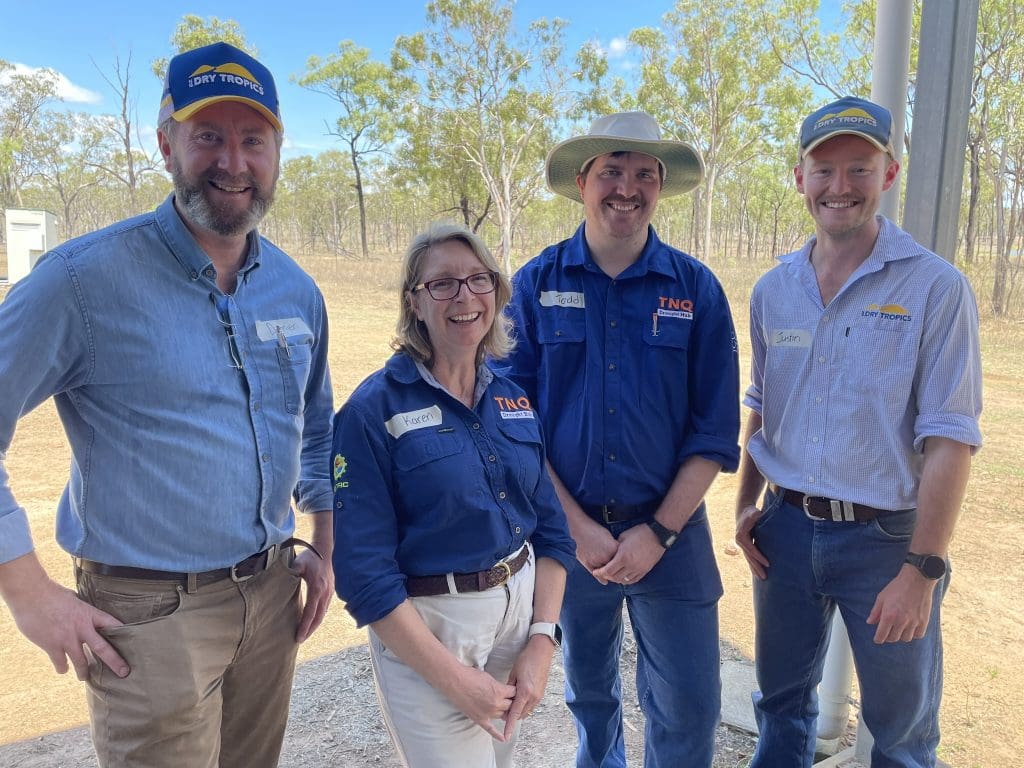
The TNQ Drought Hub’s Director, Karen George, and Knowledge Broker, Todd McNeill, attended the field day to hear about the latest research and connect with producers and project partners.
Todd said: “The important thing is understanding what you want to achieve on your property first, then looking at whether the technology can help you get there.”
The field day highlighted the value of testing emerging technology in practical settings and sharing lessons along the way. While virtual fencing won’t suit every property, ongoing research and economic analysis are helping build a clearer picture of where the technology could deliver value for northern beef producers.
Find out more about the trial.