


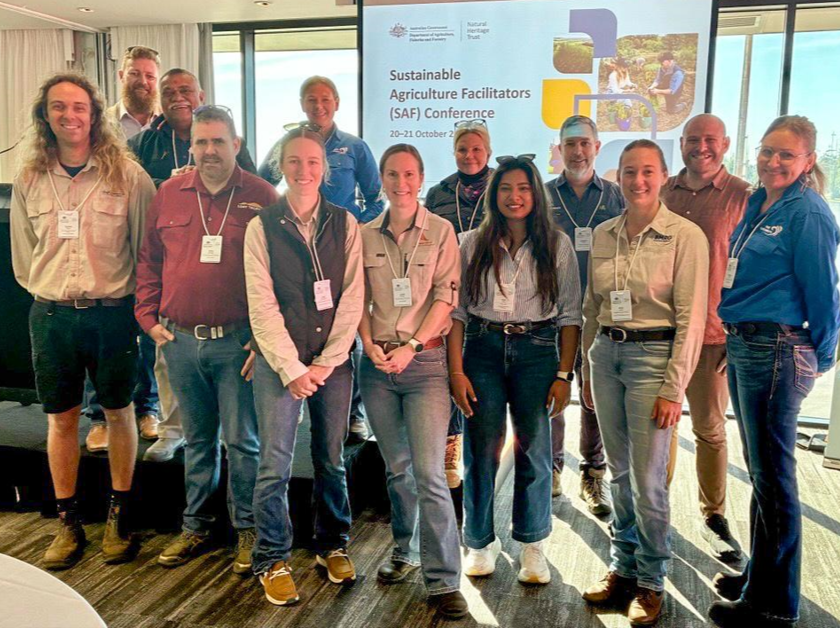
Healthy, productive farming landscapes are built through good soil management, thoughtful grazing practices and effective water management. Bringing these elements together was a key theme at the 2026 Sustainable Agriculture Facilitators Conference, where practical examples demonstrated how integrated land management can support long-term farm productivity and landscape health.
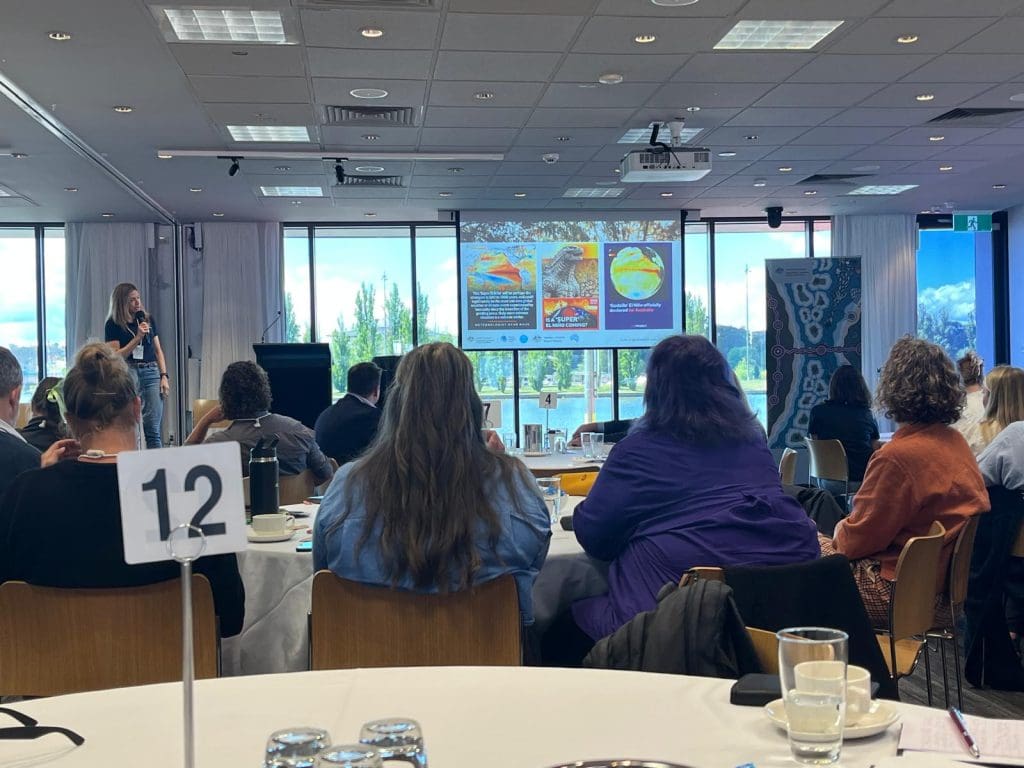
TNQ Drought Hub Regional Soil Coordinator Dhiraj Gajera attended the conference in Canberra from 20–22 October, joining agricultural facilitators, soil specialists, researchers, Natural Resource Management (NRM) organisations and government representatives from across Australia.
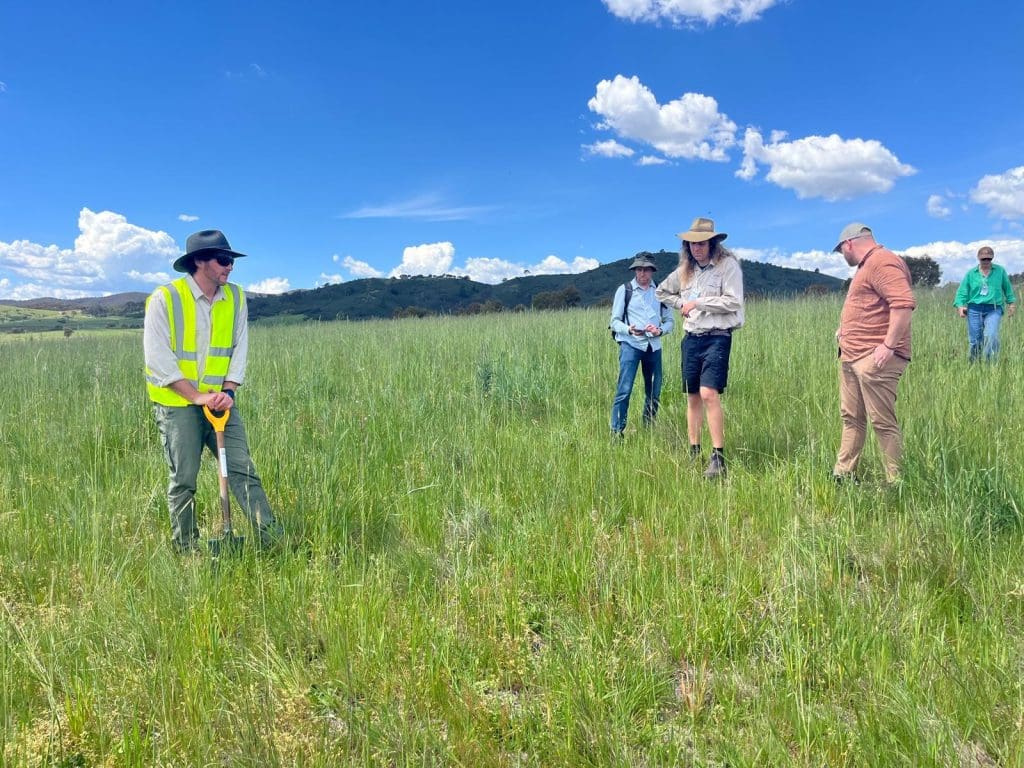
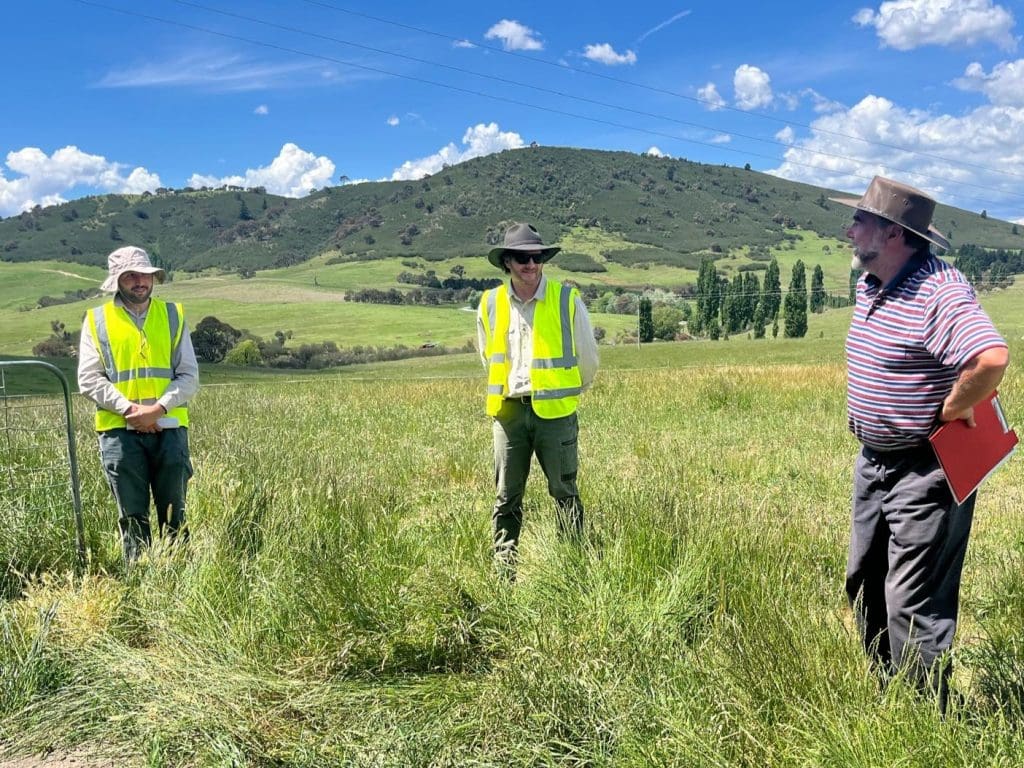
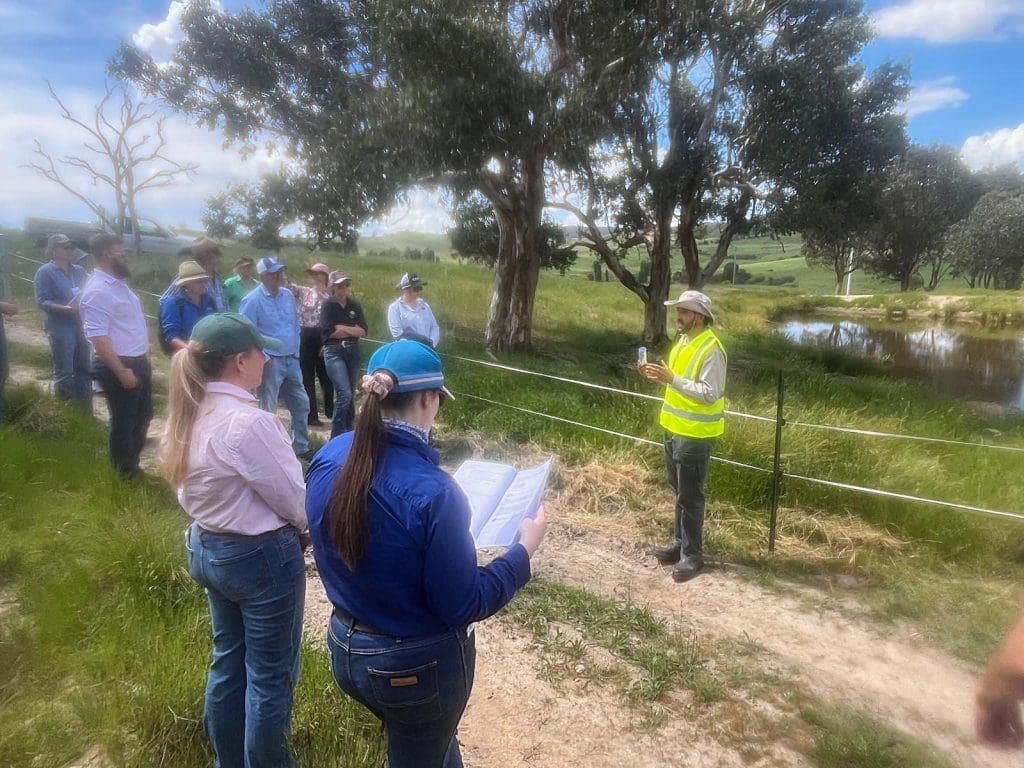
A highlight was a visit to Gibraltar View in the Tidbinbilla Valley, where local landholders and technical specialists shared practical examples of sustainable land management on working farms.
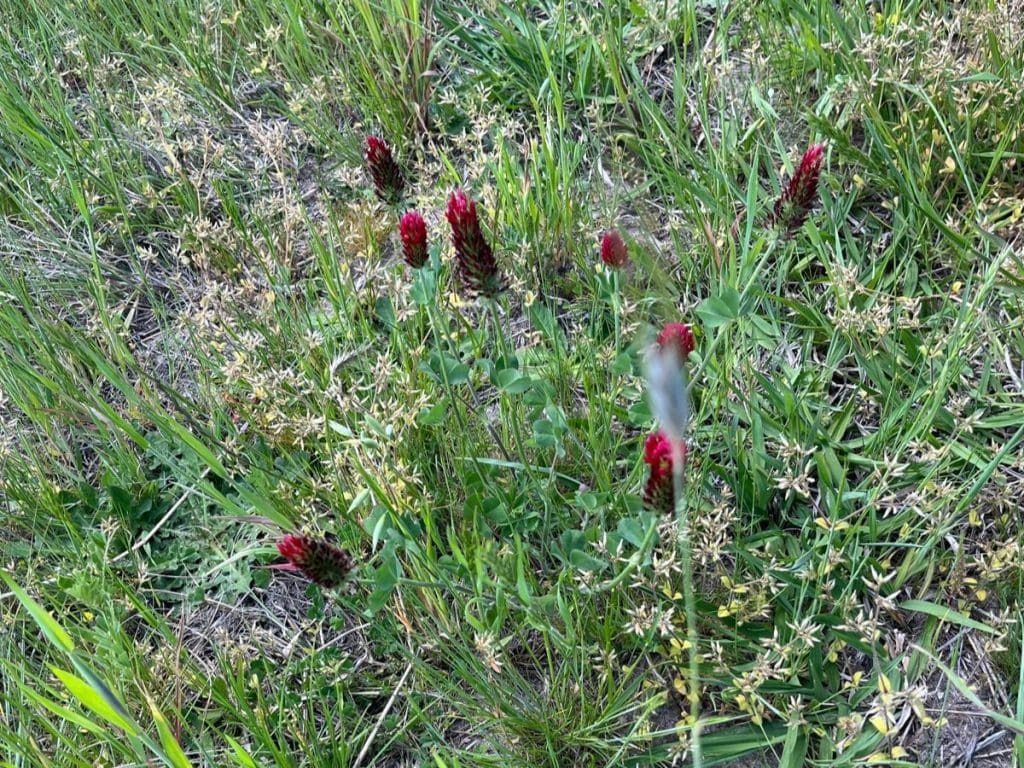
Looking at the bigger picture
Rather than focusing on individual practices, the field visit demonstrated how different parts of a farming system connect.
At one site, participants explored mixed-species pasture establishment and time-controlled grazing, including the use of a Soilkee Renovator for seeding. The demonstration highlighted the role of pasture diversity, groundcover and grazing management in maintaining productive paddocks and supporting soil condition.
Other sites showcased farm dam improvements, rehydration swales, paddock subdivision, rotational grazing and the establishment of shelterbelts and fodder trees.
These approaches can help landholders manage runoff, protect soil from erosion, improve water retention and provide additional resources and shelter for livestock.
For producers, the important consideration is how these practices fit together across the property, rather than treating soil, water, pasture and vegetation as separate management issues.
The demonstrations also highlighted the importance of monitoring changes over time.
Assessing groundcover, pasture growth, soil moisture, water infiltration and soil organic carbon can help landholders understand how management practices are performing under their own conditions.
This is particularly relevant to North Queensland, where soil types, tropical rainfall, intense wet seasons and production systems can vary considerably. Practices that work in one region may need adapting before they can be applied elsewhere.
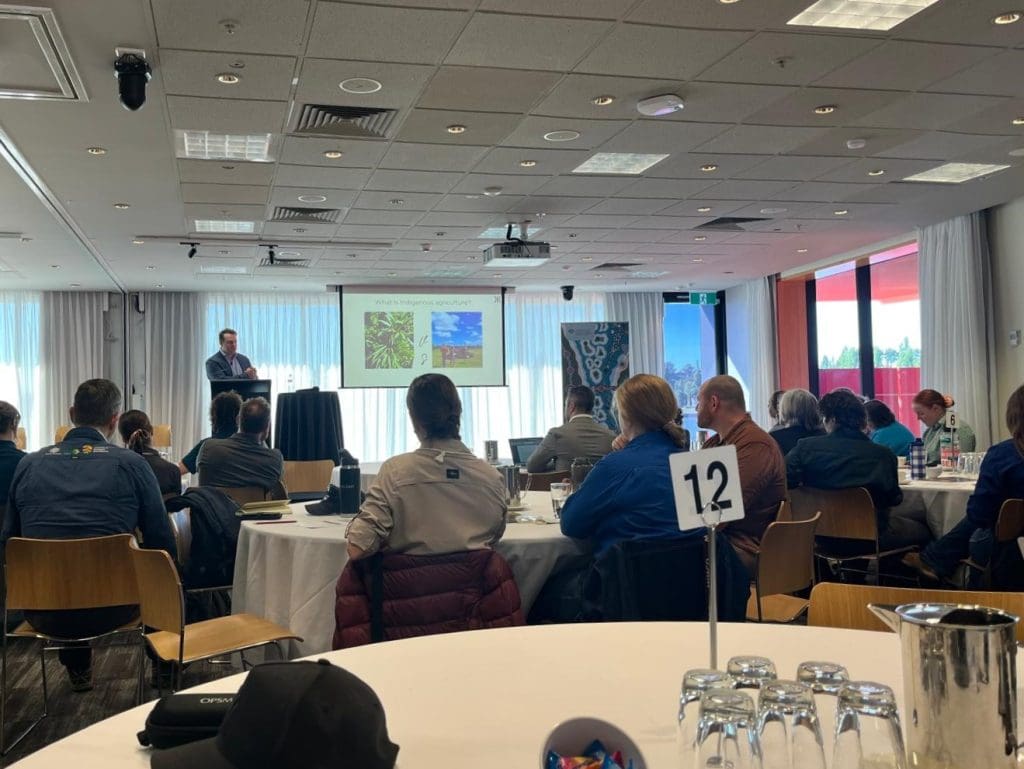
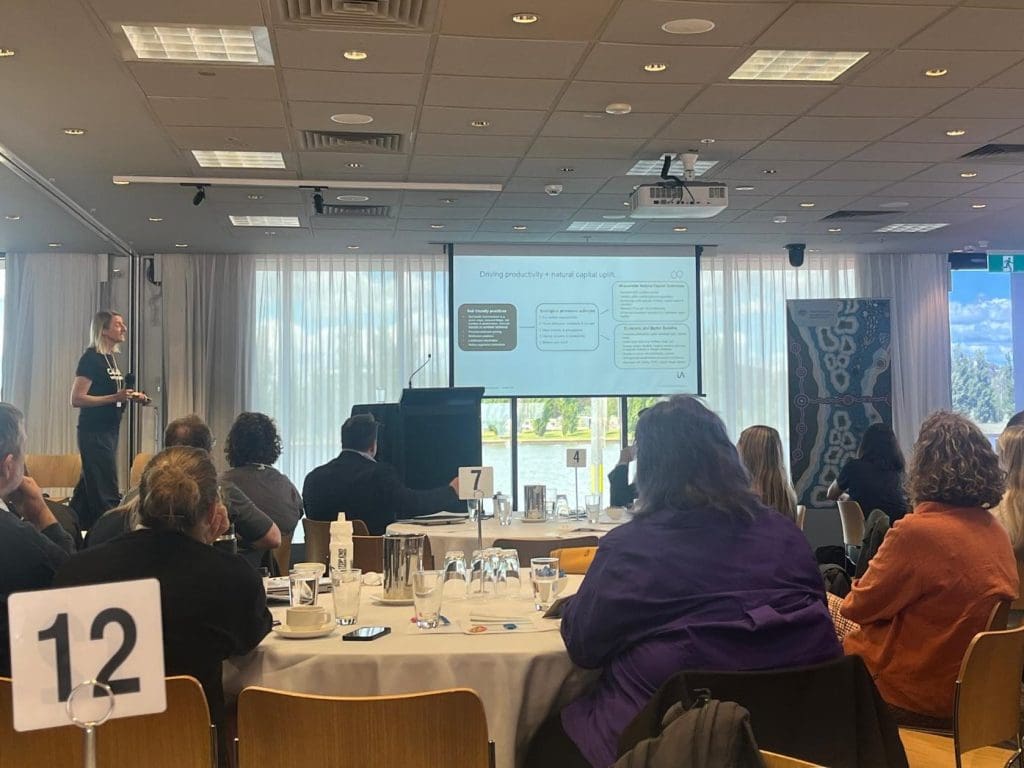
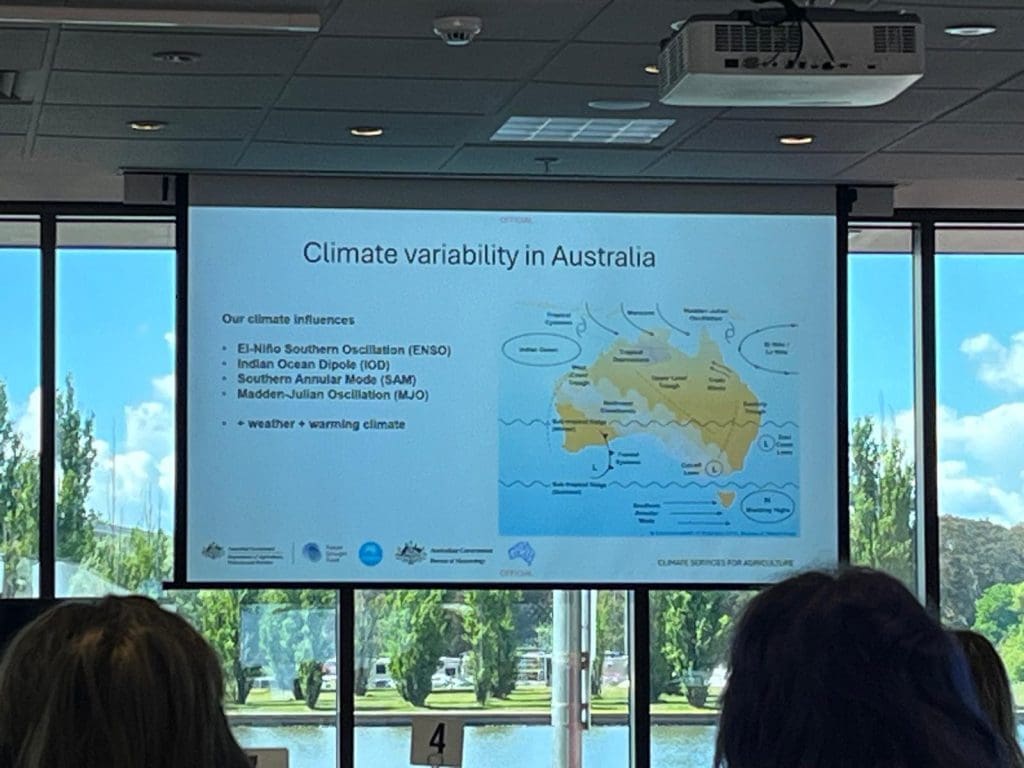
Learning from Country and each other
The conference also explored First Nations approaches to caring for Country, including cultural burning and the importance of Traditional Knowledge in land management.
Discussions reinforced that cultural burning is a First Nations-led practice, guided by Traditional Owners and specific to Country. Building meaningful relationships and creating opportunities for respectful knowledge exchange are important foundations for future collaboration.
For the TNQ Drought Hub, the conference provided new ideas and connections to strengthen regional soil extension, practical demonstrations and partnerships across the agricultural sector.
As Dhiraj’s participation highlighted, healthier farming landscapes are built through a combination of informed management, local knowledge and learning from what works on the ground.
Find out more about our Regional Soil Coordinator and the National Soil Strategy