

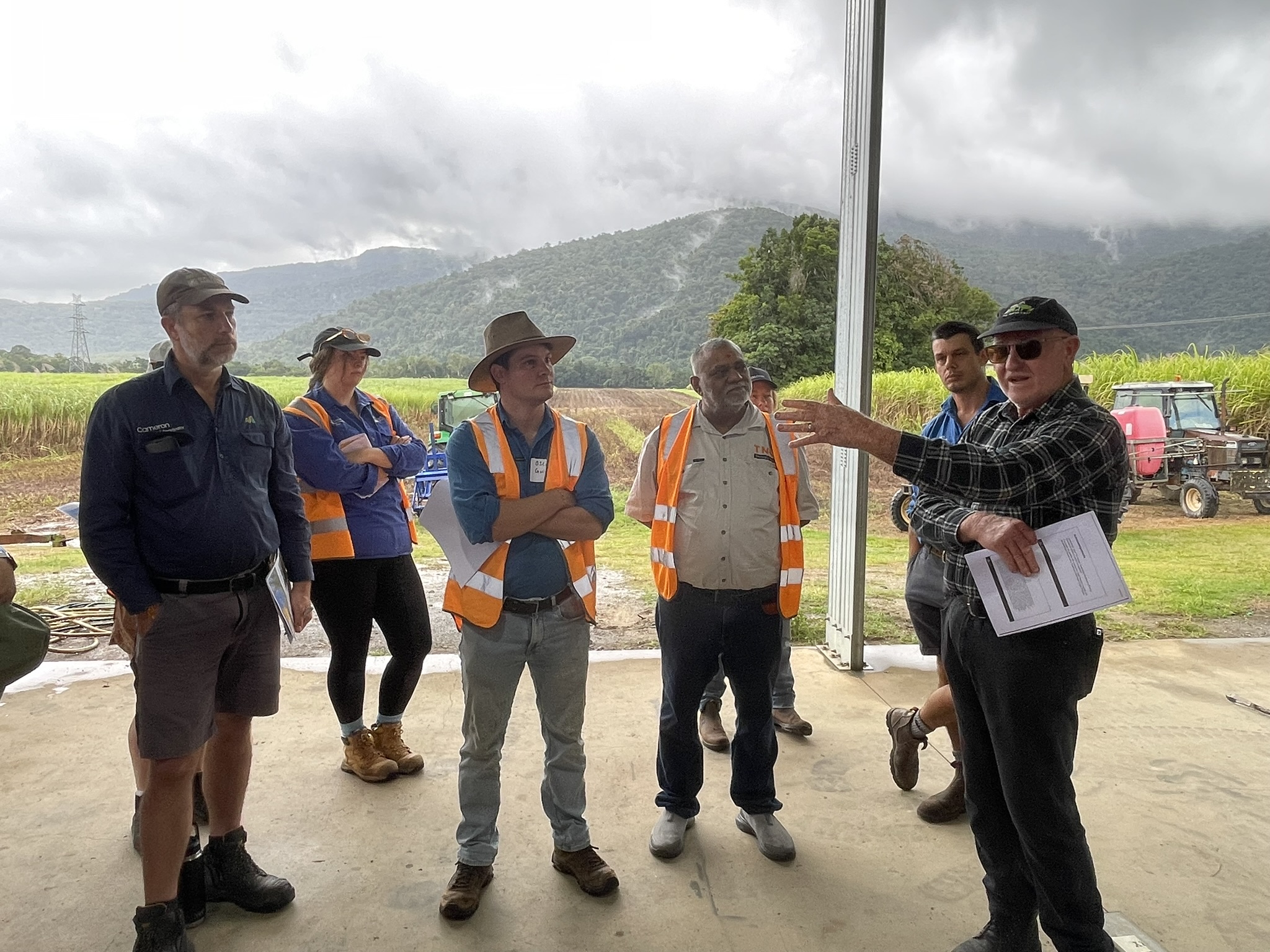
What can tropical north Queensland teach the rest of Australia about soils, farming systems and climate resilience?
That was the question explored when Regional Soil Coordinators (RSCs), Soil Science Australia representatives and soil science graduates from across the country gathered in Cairns for their annual Community of Practice (CoP), hosted by the Tropical North Queensland Drought Resilience Adoption and Innovation Hub.
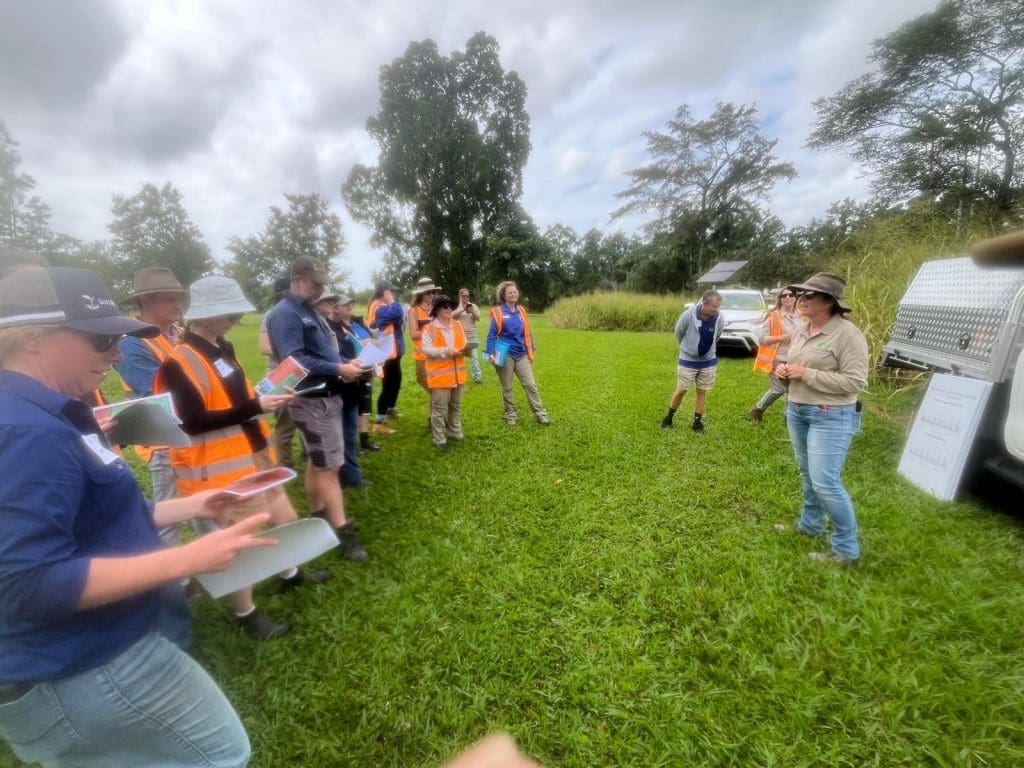
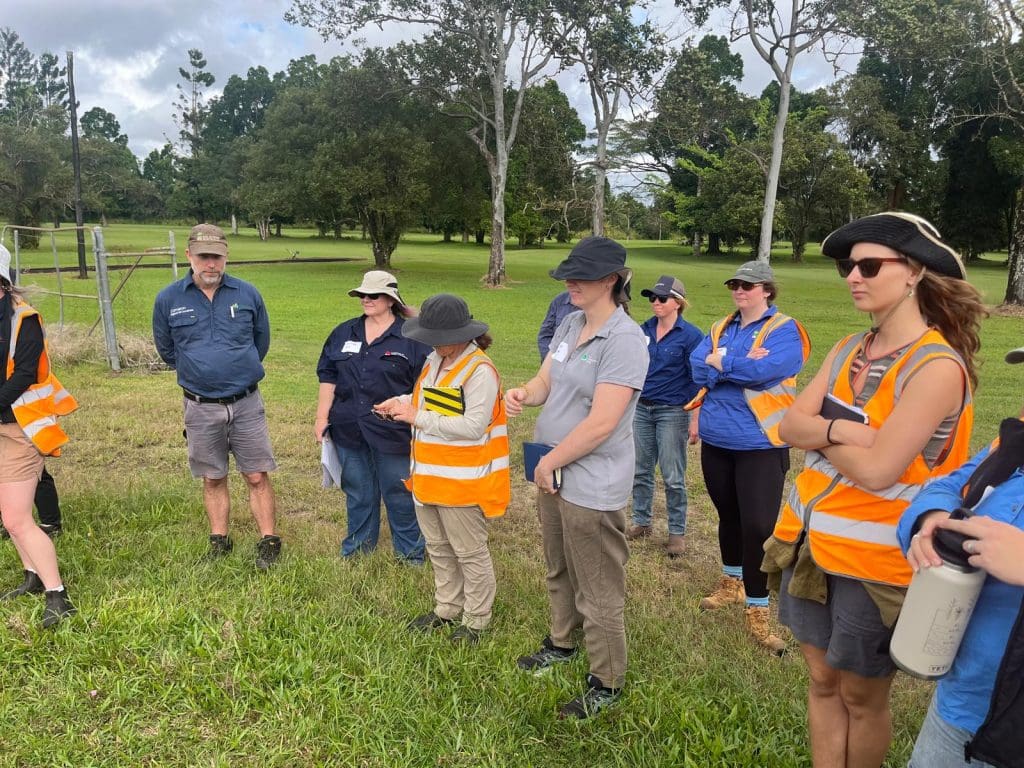
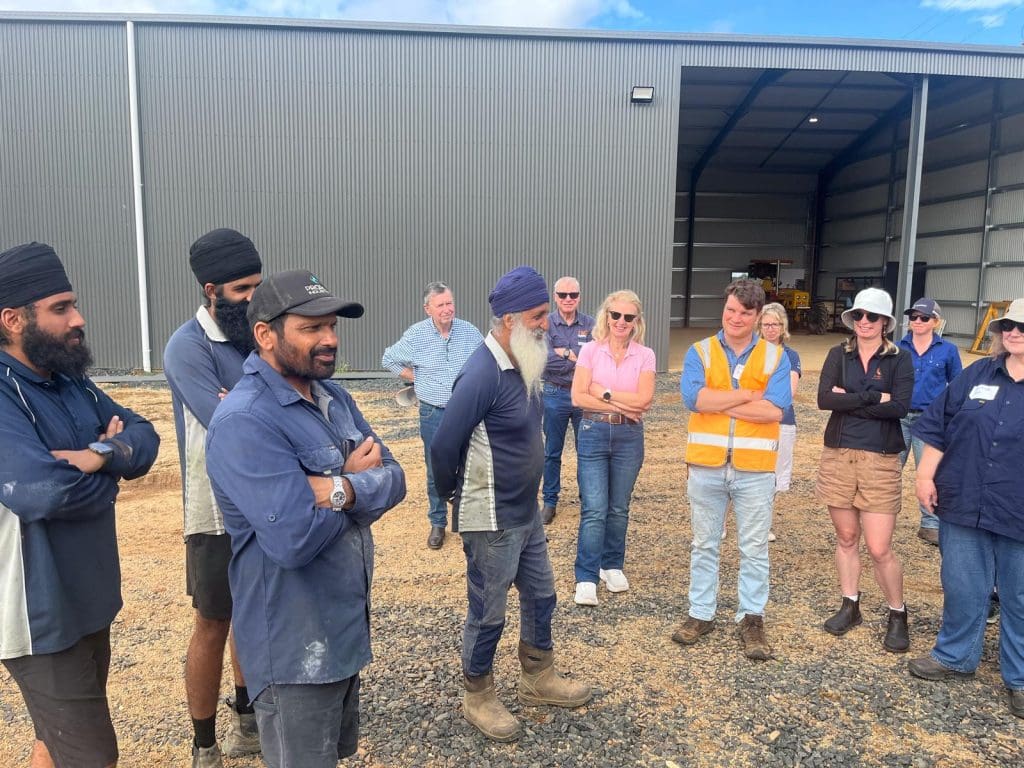
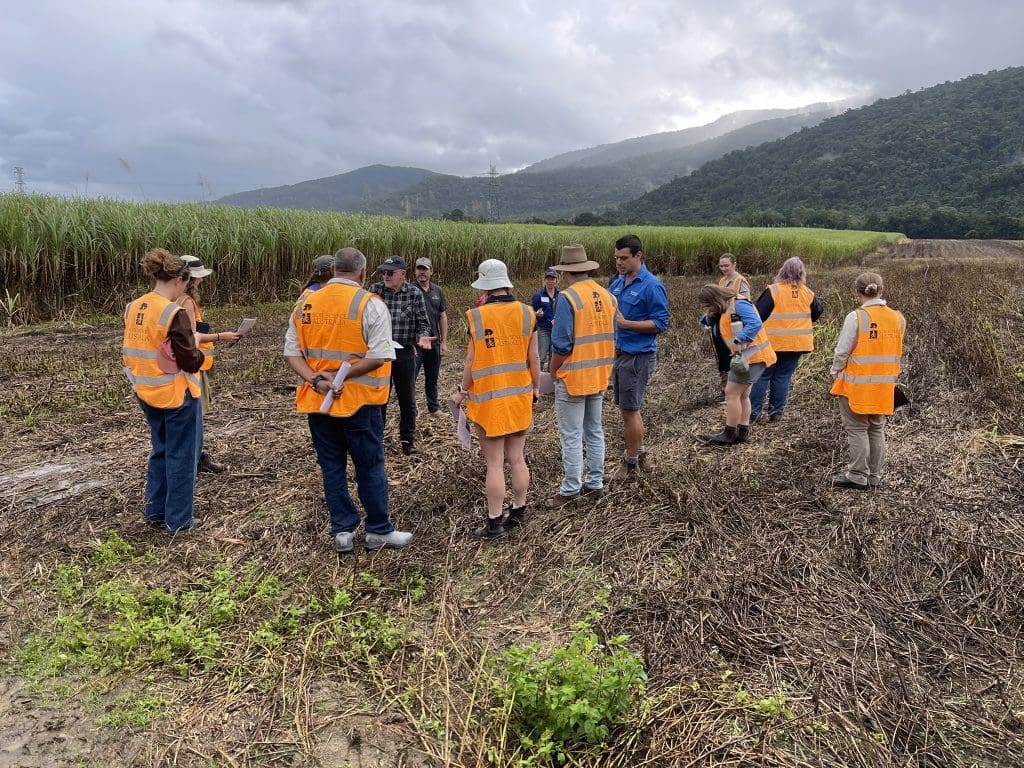
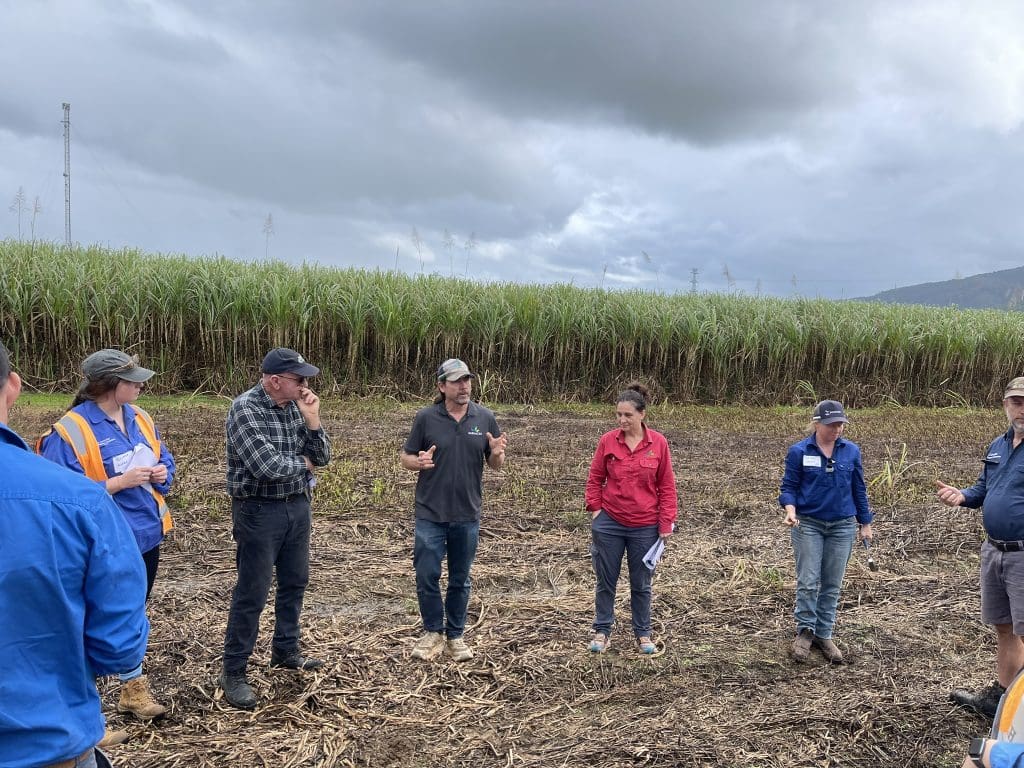
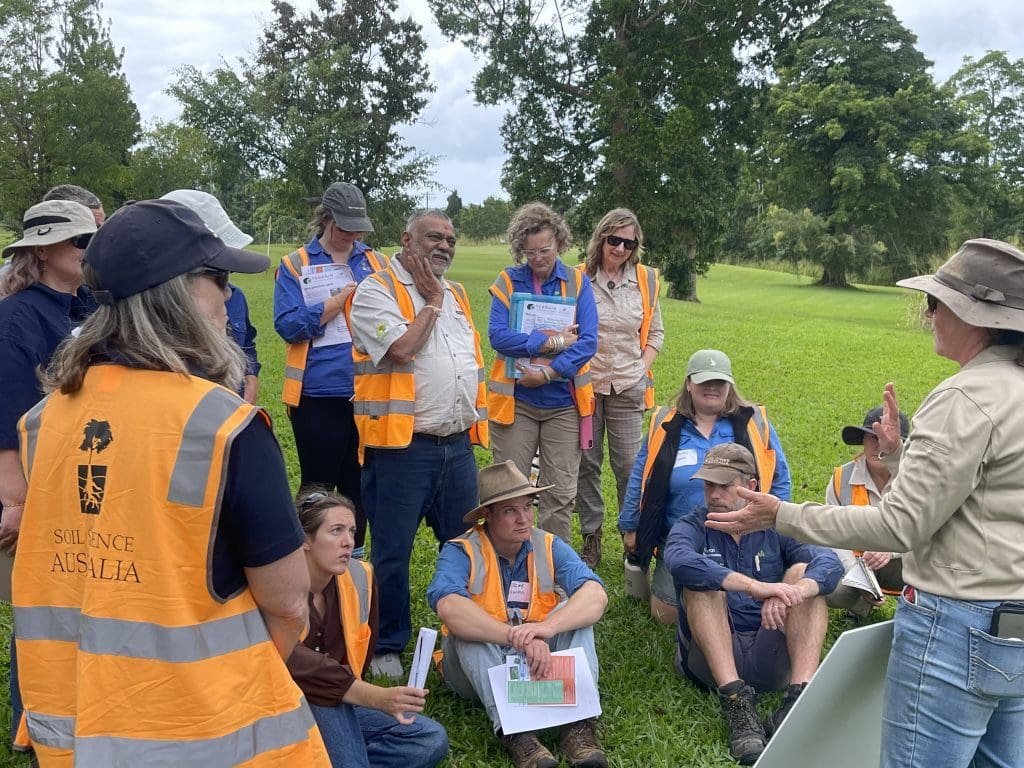
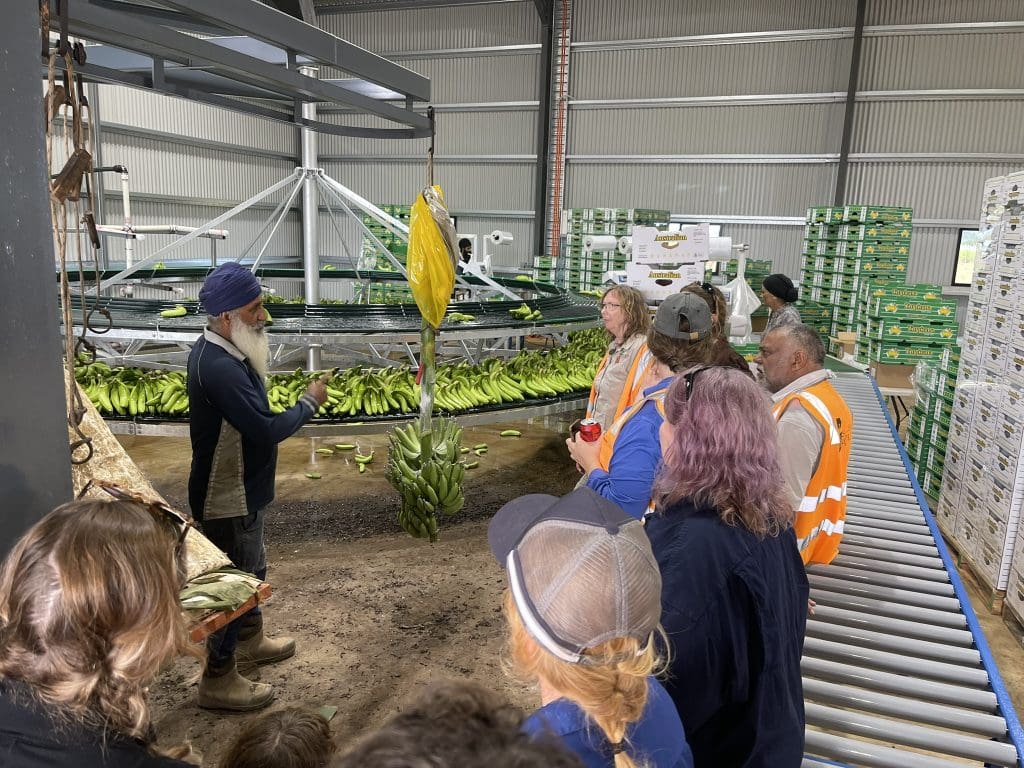
Over five days, participants travelled from the coast to the Tablelands, visiting research facilities and commercial farms to experience first-hand the diversity of northern Australia’s landscapes, farming systems and climate. The program concluded with the inaugural Enhanced Rock Weathering (ERW) Research in Australia and New Zealand Symposium and Field Day, providing valuable context for discussions around this emerging technology.
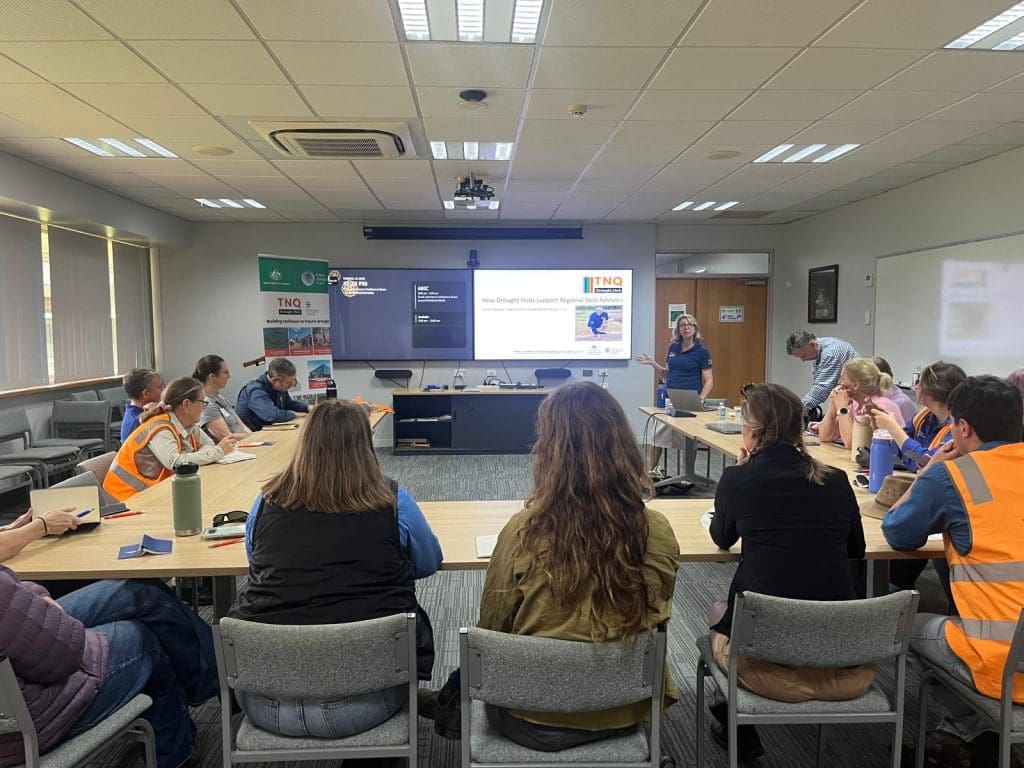
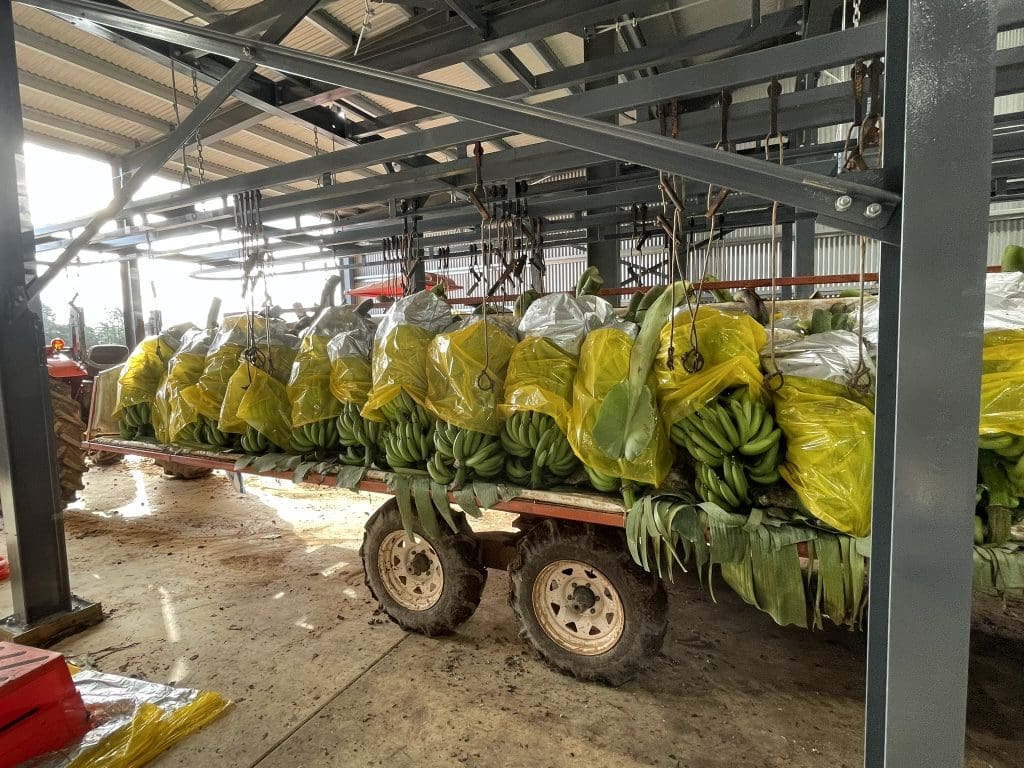
The itinerary showcased a broad cross-section of agriculture, including rice, sugarcane, bananas, organic production, grazing systems and soil management innovations. Participants also heard from researchers, industry experts and local organisations, gaining insights into the challenges and opportunities unique to the region.
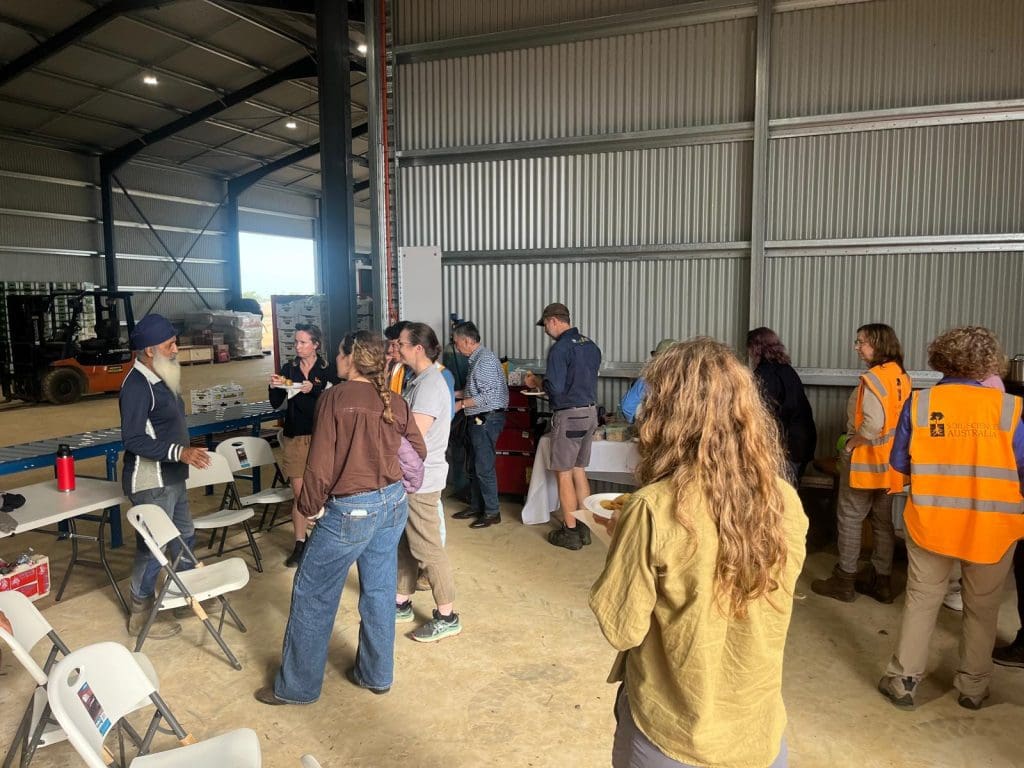
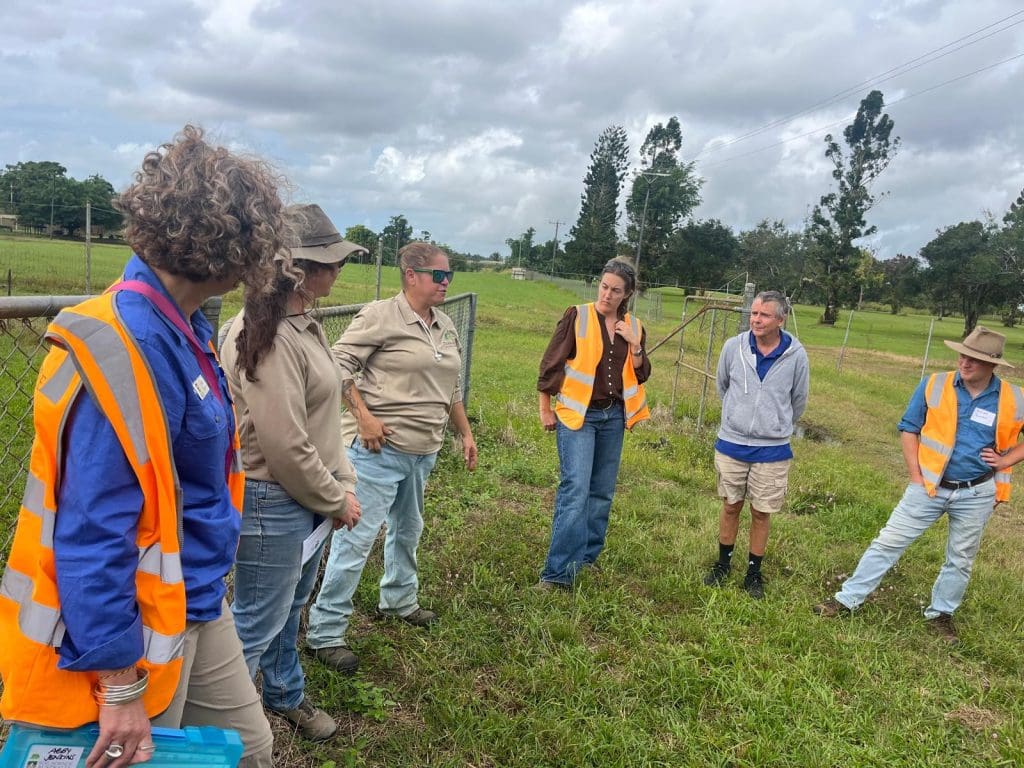
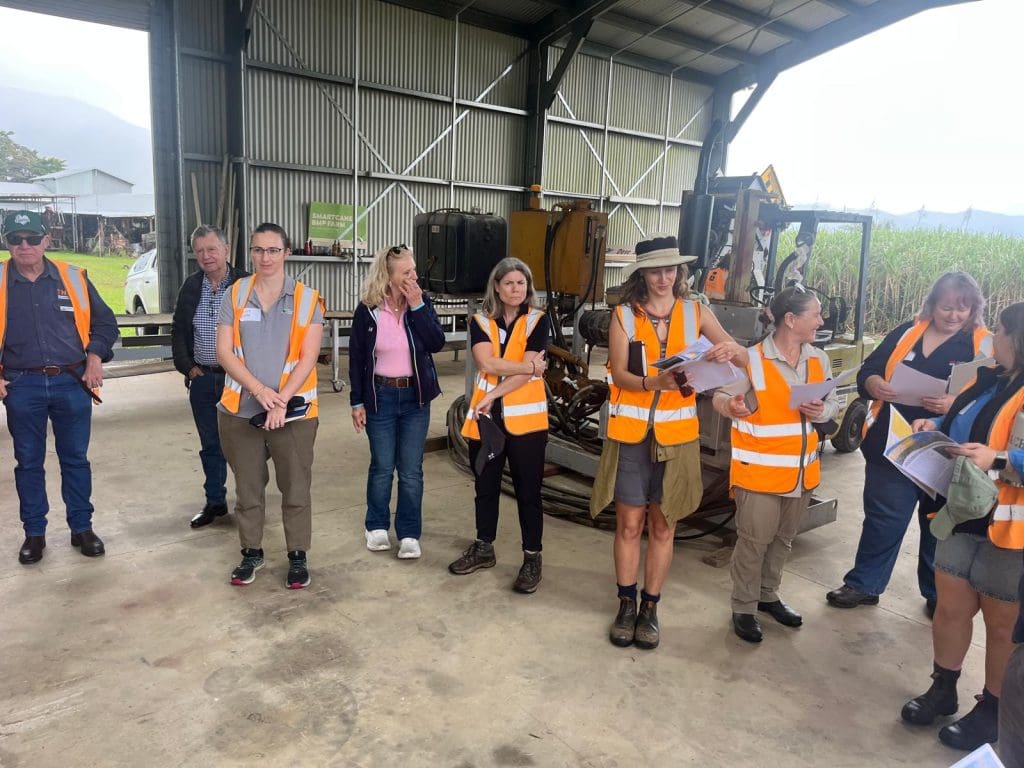
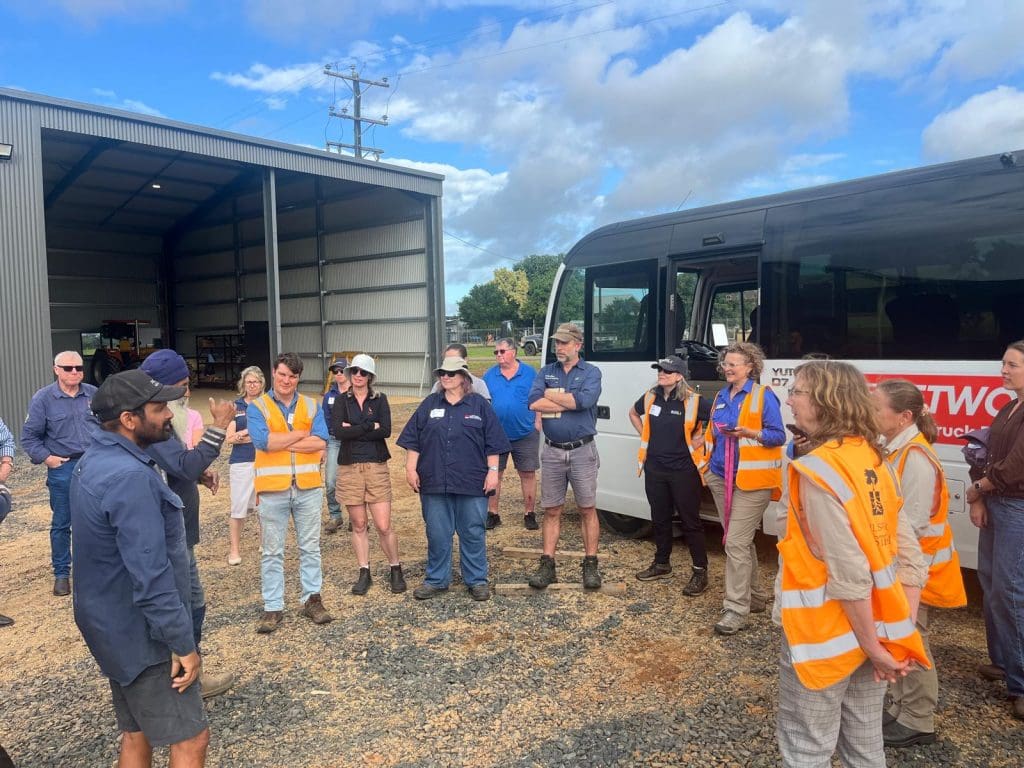
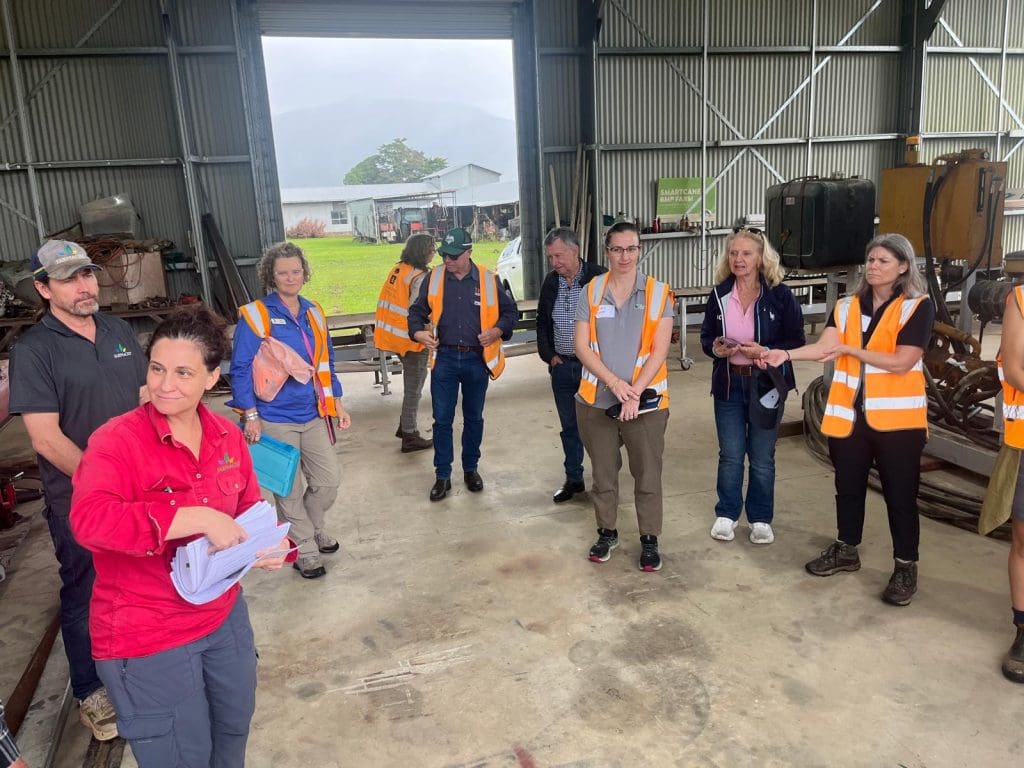
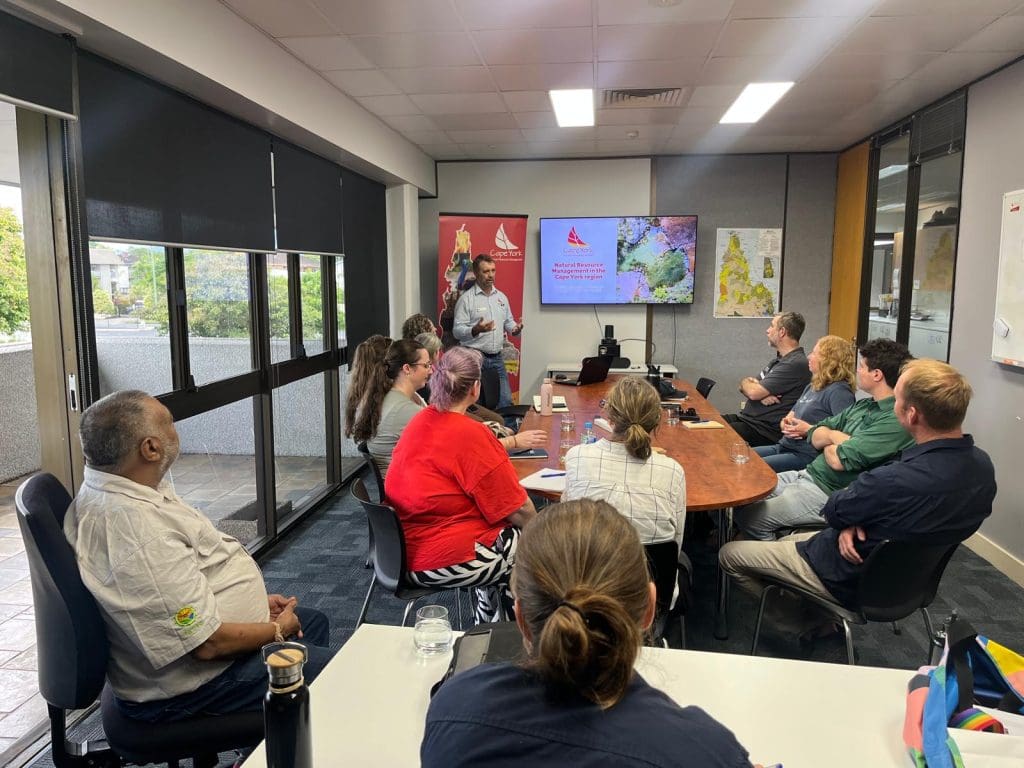
TNQ Hub Regional Soil Coordinator Dhiraj Gajera said the Community of Practice was designed to immerse participants in the realities of farming in tropical north Queensland.
“You can read about our soils and farming systems, but seeing them first-hand gives people a completely different understanding of the opportunities and challenges producers face across the region.”
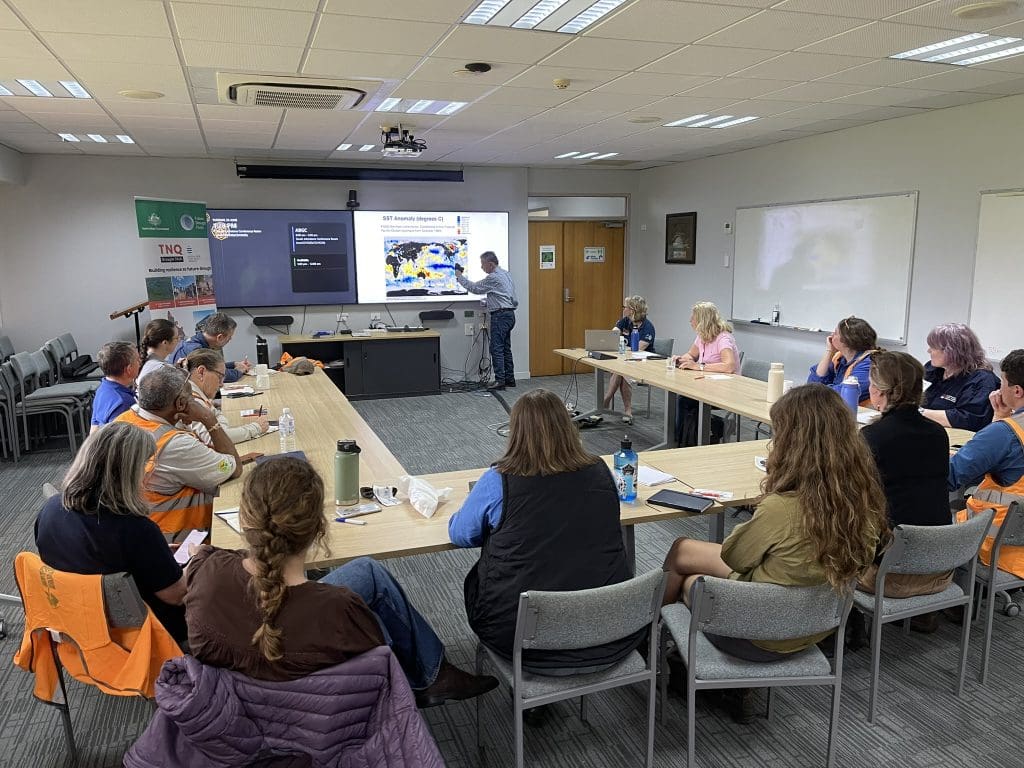
A key theme throughout the week was understanding how climate influences soil management and agricultural decision making. Presentations and field discussions highlighted that seasonal drivers such as El Niño can affect regions very differently, reinforcing the importance of locally relevant knowledge when supporting producers.
For many participants, the experience challenged assumptions about northern Australia.
“The diversity of soils, industries and climate across relatively short distances surprised many people,” Dhiraj said. “ Those conversations are valuable because they help build a broader understanding that can be applied in other regions.”
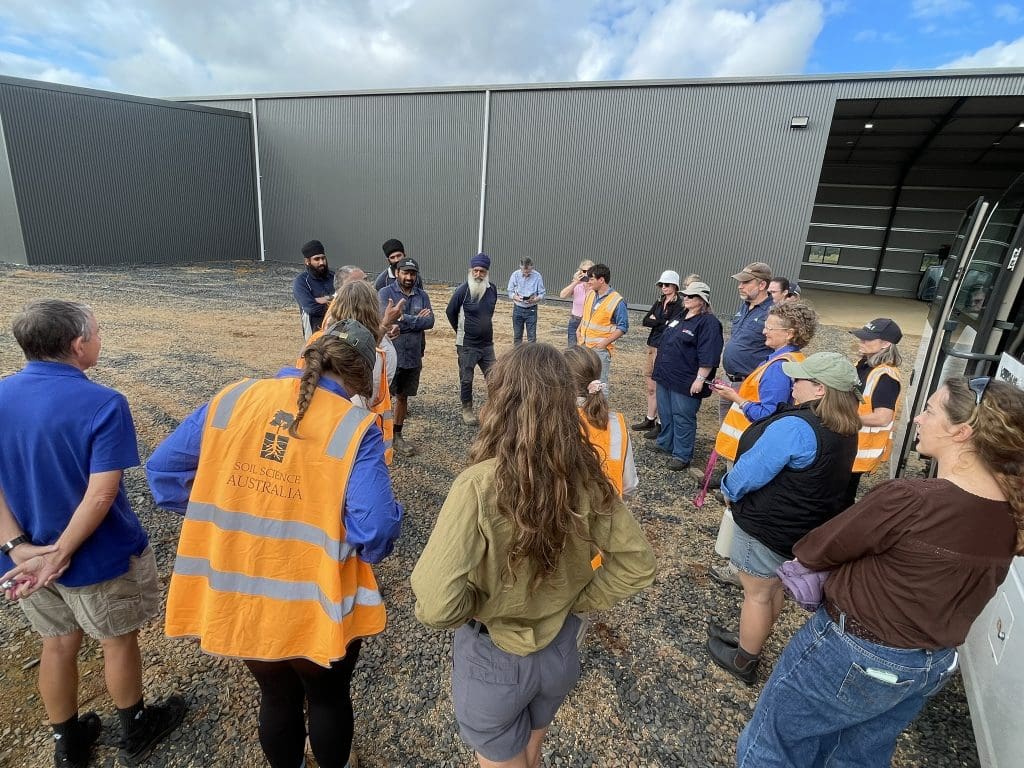
The CoP also demonstrated the value of bringing together researchers, extension specialists and industry to learn from one another. Supporting early soil scientists through the CoP helps to meet gaps identified through the RSC soil knowledge analysis. By connecting different projects, organisations and perspectives, participants were able to exchange ideas and identify opportunities for future collaboration.
As participants returned to their home states, they took with them more than new technical knowledge. They left with a greater appreciation of the complexity of tropical agriculture, stronger professional networks and practical ideas to support soil management and informed decision making in their own regions.