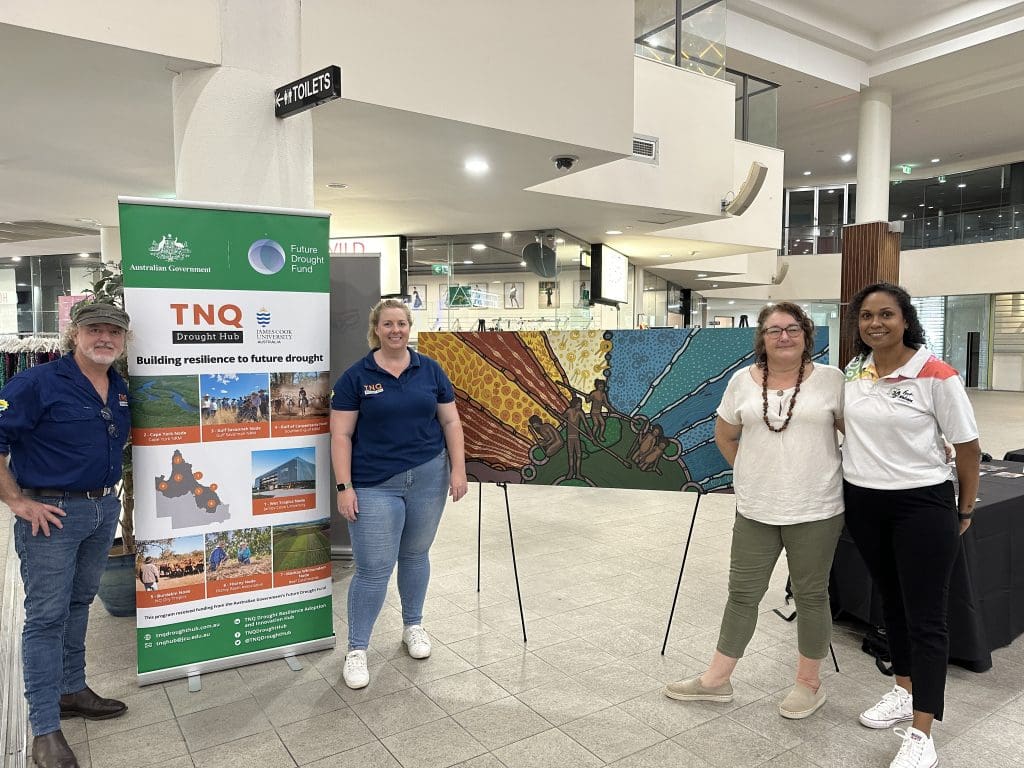


As part of Indigenous Business Month, the TNQ Drought Hub is celebrating First Nations businesses and the people creating new opportunities across Northern Australia.
This month we showcase Native Foodways, a First Nations owned and led social enterprise working to strengthen Australia’s native food industry while ensuring First Peoples are at the centre of its growth.
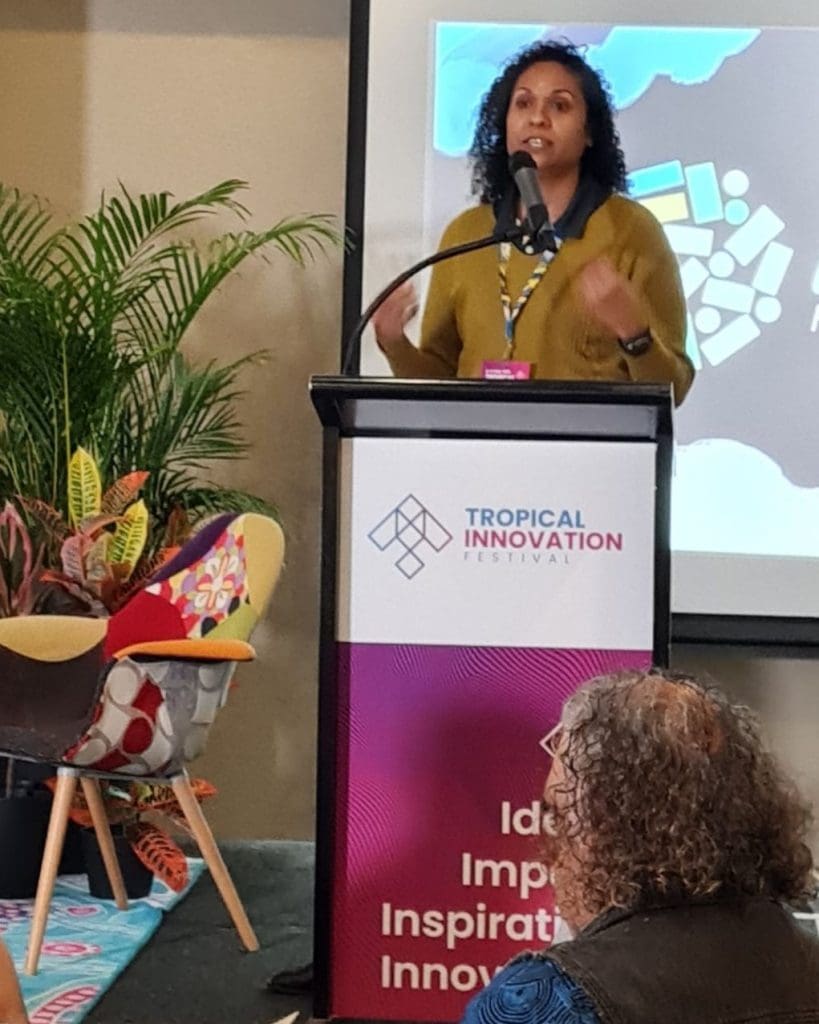
There is also a strong connection to the TNQ Drought Hub, with long-term Hub collaborator Destiny Dewis working as Project Lead with Native Foodways.
“I’m leading a project on behalf of Native Foodways, commissioned by a private philanthropic organisation.
Our aim is simple, to give government, philanthropy, and investors a clear, First Nations, community-led strategy for investing in ways that strengthen the growth and sovereignty of the First Nations-led Bushfoods and Botanicals Sector.“

Growing a First Nations led native food industry
For thousands of years, Aboriginal and Torres Strait Islander peoples have grown, harvested, prepared and shared foods uniquely adapted to Australian landscapes and climates. Native Foodways is building on this knowledge to create new opportunities across farming, food production, manufacturing, distribution and education.
The enterprise works with First Nations communities, growers, landholders, chefs, foodmakers and other partners to strengthen connections across the native food value chain.
Importantly, its approach is about much more than selling native foods. Native Foodways seeks to increase First Nations participation, leadership and ownership across the industry from growing and harvesting through to processing, product development, distribution and sharing native foods with consumers.
Creating value and opportunity
Native Foodways takes a whole-of-system approach, exploring how native ingredients can create greater value and opportunity for First Nations people and communities.
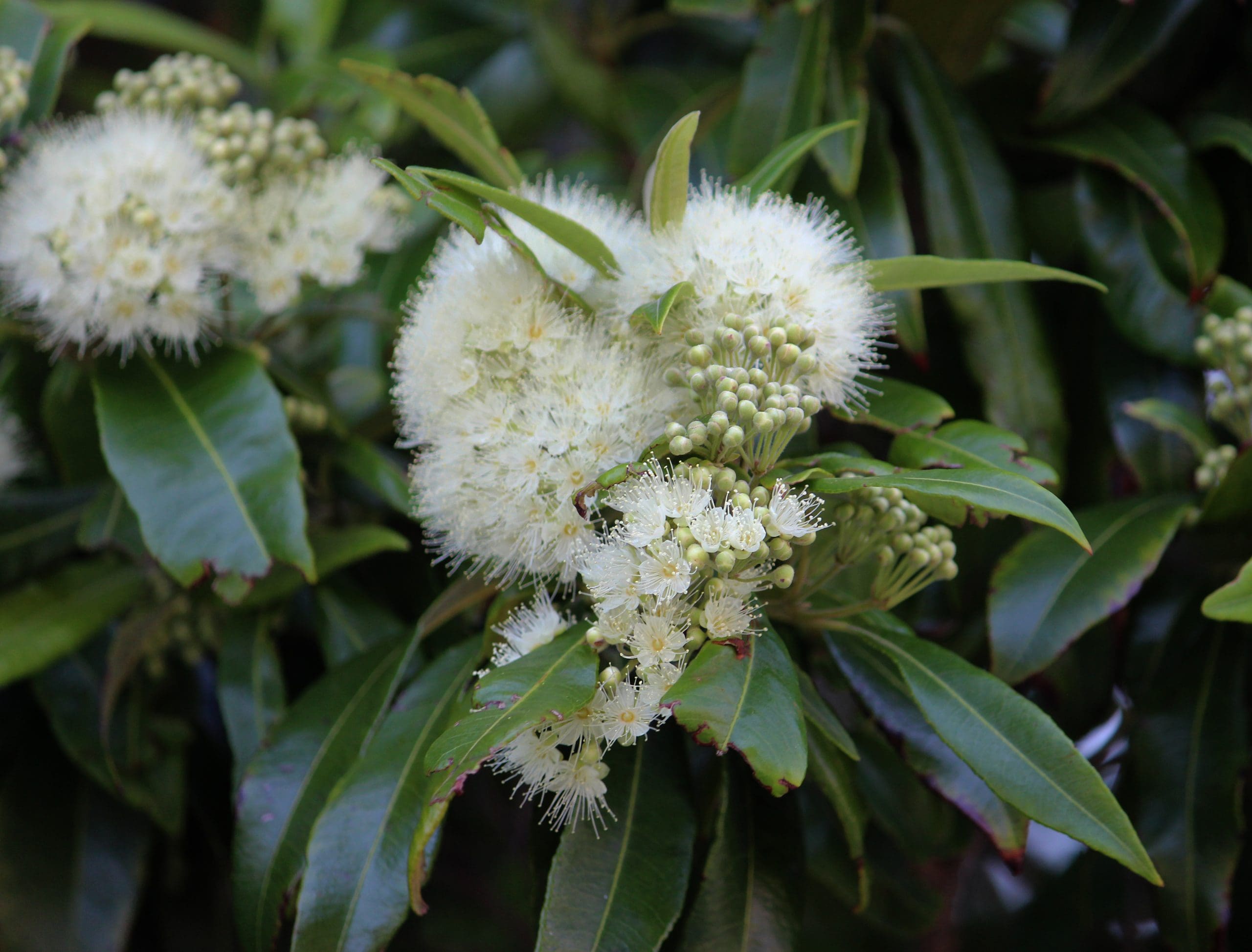
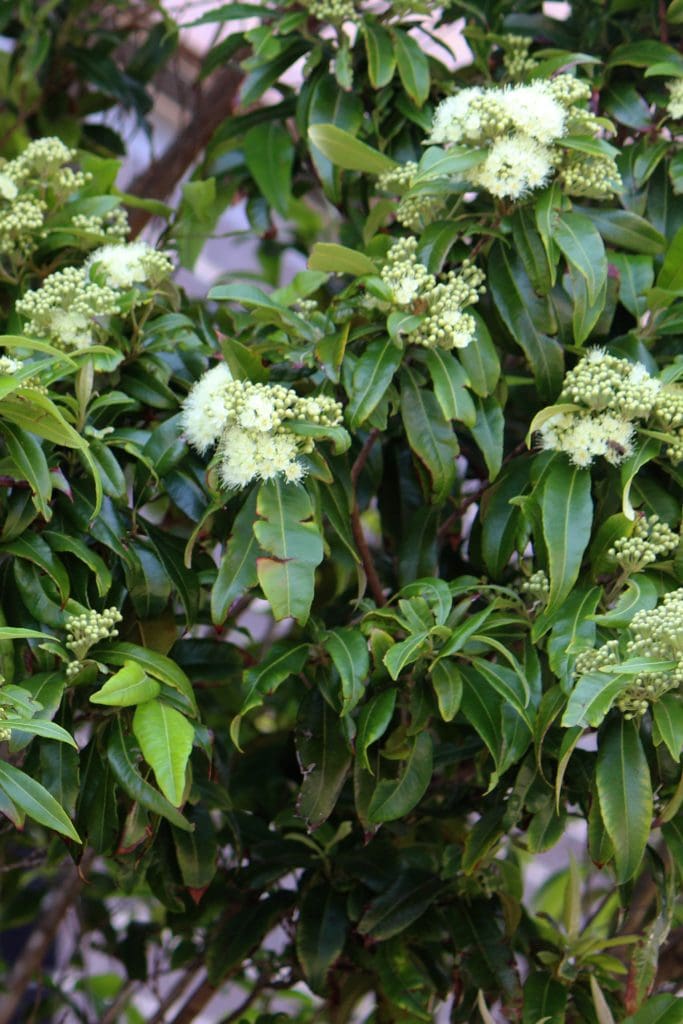
Its work spans farms and kitchen gardens, food processing and manufacturing, wholesale and retail distribution, cultural experiences, education and storytelling. Products developed through this work have included Finger Lime Marmalade, Lemon Myrtle Ginger Beer and Kangaroo Pies.
For Indigenous Business Month, the Native Foodways model highlights the opportunities that can emerge when First Nations knowledge, culture and enterprise are brought together creating pathways for employment, skills development, new products and stronger First Nations-led businesses.
Building resilience through enterprise
Native Foodways also connects strongly with the TNQ Drought Hub’s work to support resilient communities, agricultural systems and regional economies.
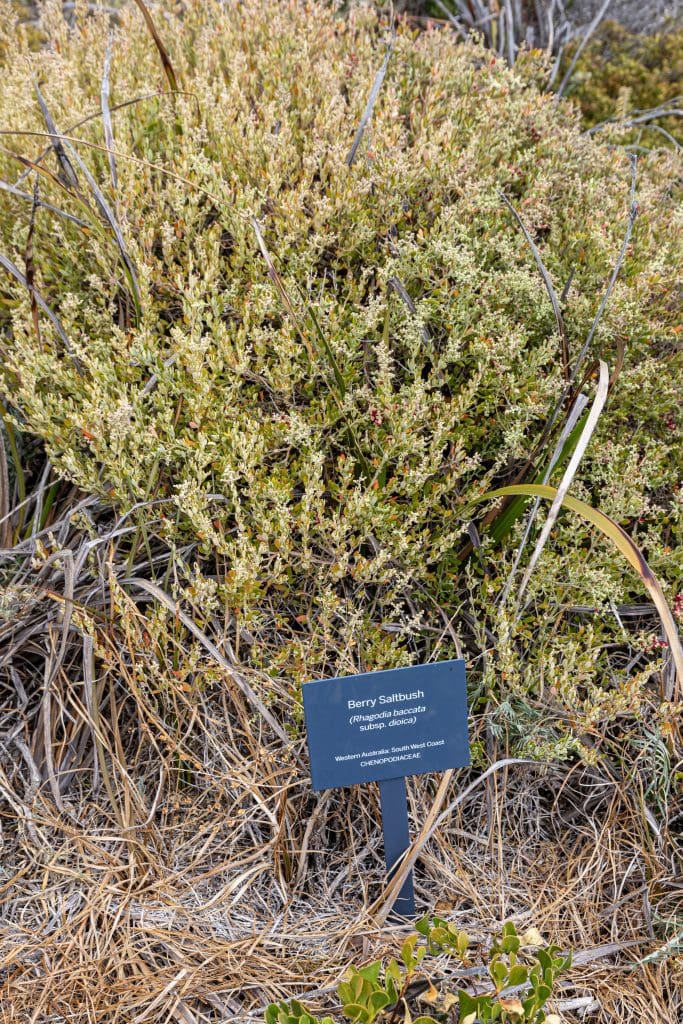
Native foods and Indigenous Ecological Knowledge offer opportunities to explore agricultural diversification and regenerative approaches that are suited to Australian environments. Native Foodways is working with communities and landholders to explore approaches that can contribute to soil health, water retention and resilience to drought, fire and flood.
For the TNQ Drought Hub, this demonstrates an important connection between enterprise and resilience. Stronger First Nations businesses can contribute to diversified regional economies, create local employment and skills, strengthen knowledge sharing and provide new opportunities for communities to respond and adapt to change.
This Indigenous Business Month, Native Foodways provides a great example of First Nations people leading innovation while drawing on knowledge and connections to Country that extend back thousands of years.
Find out more about Native Foodways.