


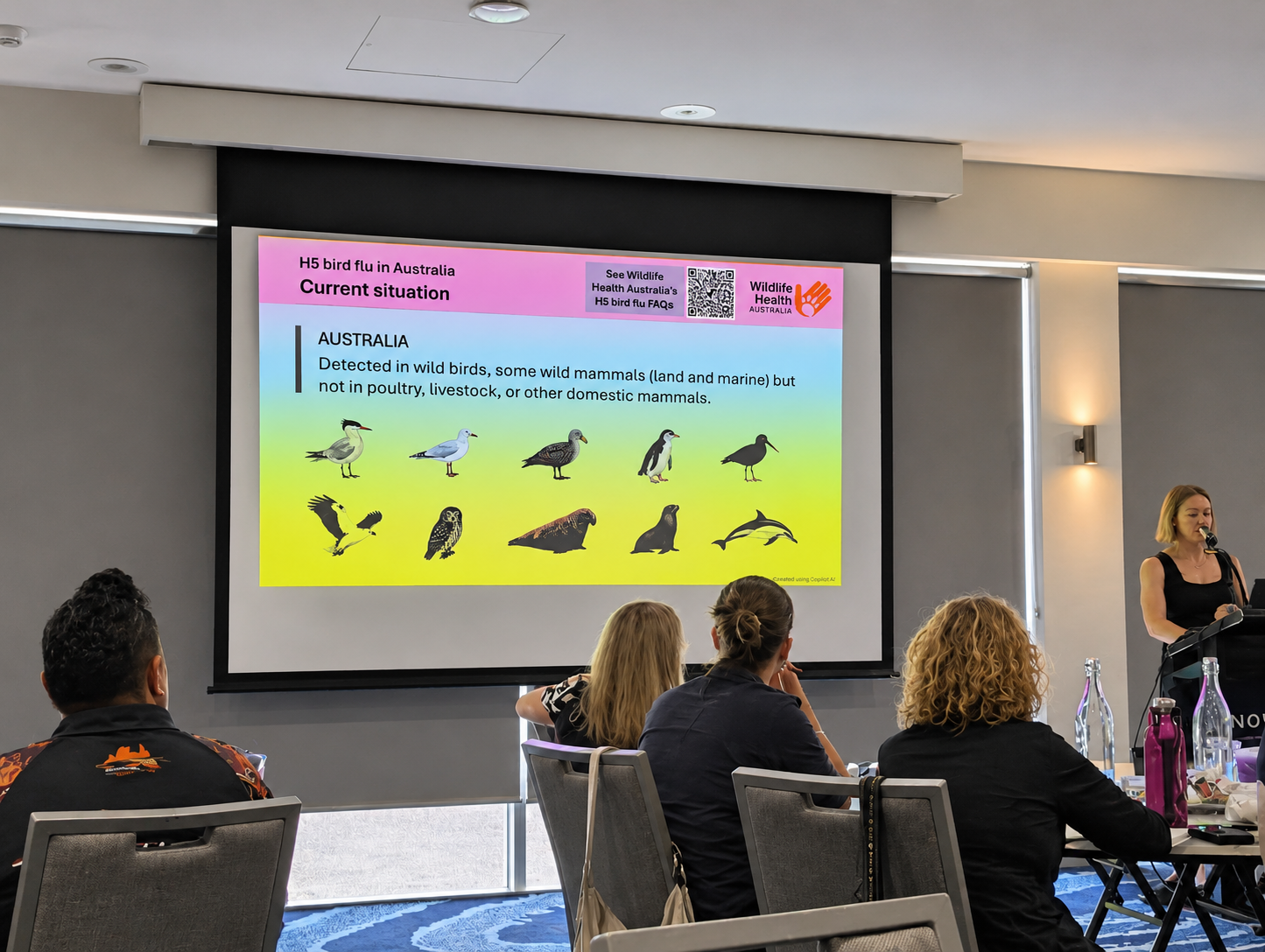
Cape York NRM and the TNQ Drought Hub recently presented at the First Nations H5 Bird Flu Workshop, held in October in Cairns on Gimuy Walubara Yidinji Country.
Hosted by the Wildlife Health Australia (WHA) and the Department of Primary Industries (DPI) , the workshop brought together more than 50 participants, including Traditional Owners, Elders, Indigenous knowledge holders, ranger groups, local councils and wildlife experts, to strengthen collaboration and preparedness for the impacts of H5 bird flu.
Presentations included contributions from Queensland’s Chief Veterinary Officer, Dr Allison Crook; Dr Vicky Wilkinson from Wildlife Health Australia; and Dr Fiona Thompson, Director of Emergency Animal Disease Preparedness, Biosecurity Queensland, alongside representatives from the Australian Government Department of Agriculture, Fisheries and Forestry (DAFF), Queensland Health and the Department of the Environment, Tourism, Science and Innovation. The workshop provided an opportunity to share knowledge about the virus, its potential impacts on wildlife, communities and cultural practices, and approaches to preparedness and response.
The joint presentation by Cape York NRM and the TNQ Drought Hub focused on food security in Cape York, highlighting the unique challenges faced by remote communities and the importance of considering these challenges in regional biosecurity and emergency preparedness planning.
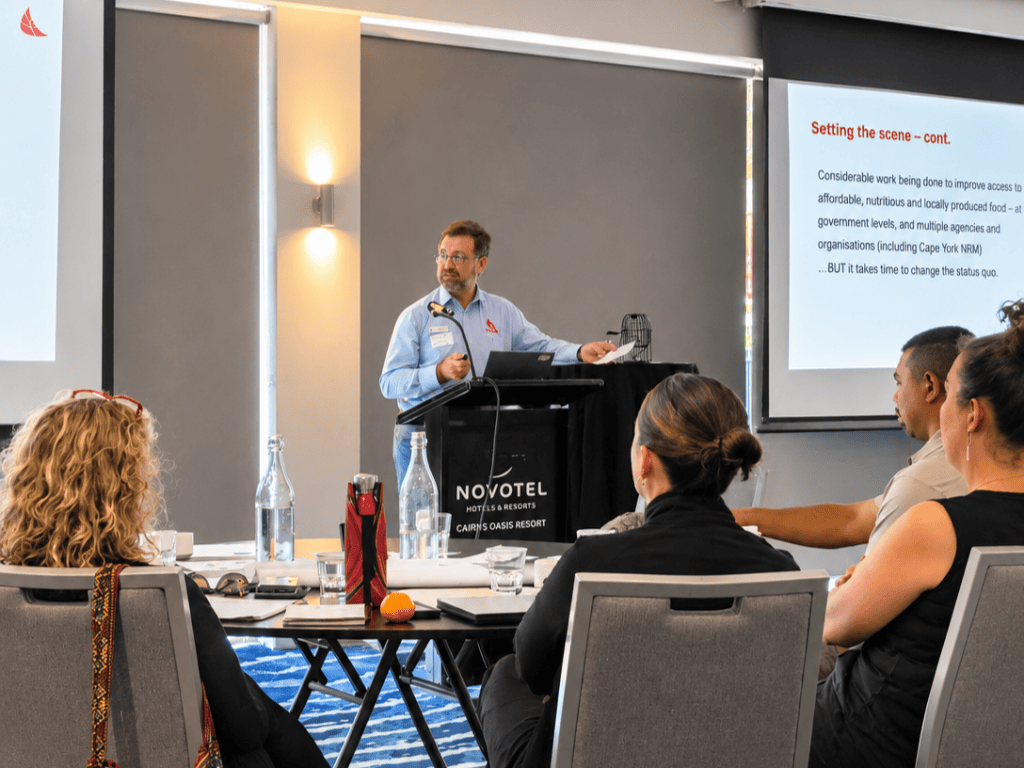
Food security in Cape York is influenced by a complex range of interconnected factors, including geographic isolation, seasonal flooding, transport disruptions, high freight costs, limited local food supply options and vulnerability to extreme weather events. These challenges affect the availability, affordability and accessibility of food, particularly in remote Aboriginal and Torres Strait Islander communities.
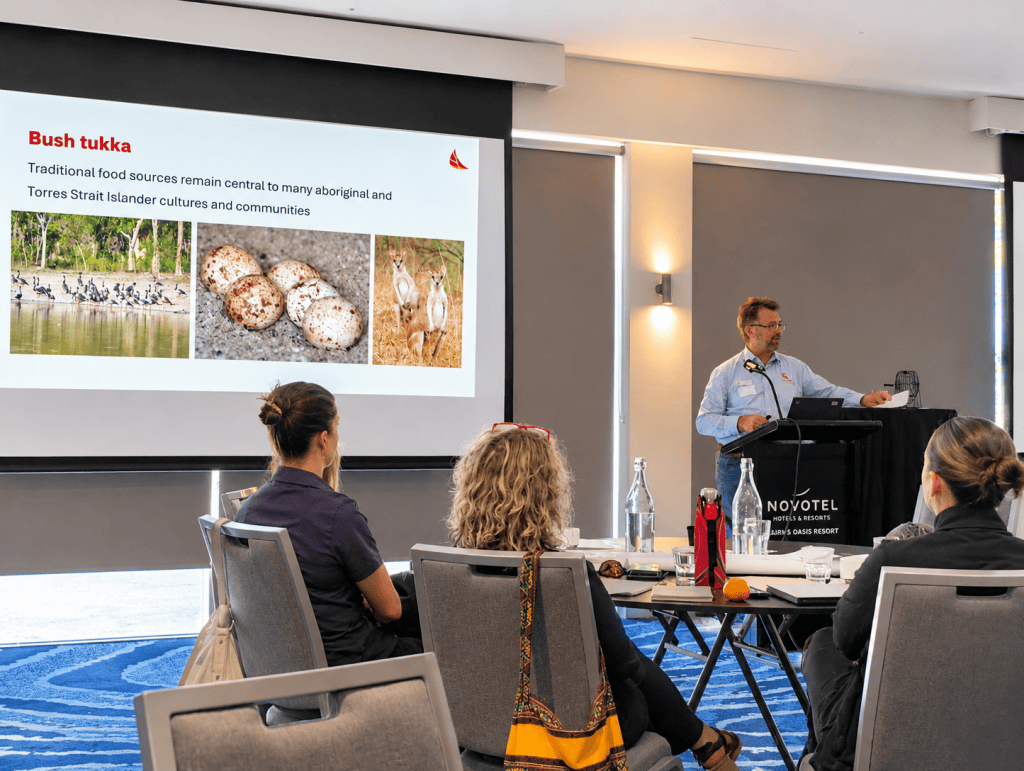
The presentation also highlighted the importance of traditional food sources, including hunting, fishing and gathering, which contribute not only to food security but also to cultural practices, connection to Country and community wellbeing. Potential threats to wildlife and traditional food systems therefore have broader implications for community resilience.
A key takeaway from the workshop was that H5 bird flu is now in Australia and represents an ongoing challenge for wildlife health and biosecurity. The highly pathogenic H5N1 strain has spread globally through wild bird populations, affecting numerous bird and mammal species. With the virus spreading through natural wildlife movements, eradication from wild populations is not considered feasible.
While the spread of the virus cannot be completely prevented, its impacts can be reduced through surveillance, early detection, biosecurity measures, community awareness and coordinated response planning.
An important message from the workshop was the need for communities to understand what to look for and how to respond. Signs of H5 bird flu in wildlife can include unusual behaviour, breathing difficulties, sudden deaths, loose or watery droppings and changes in eye colour. The workshop reinforced the simple message Avoid, Record, Report — avoid touching sick or dead wildlife, record observations from a safe distance and report concerns to the appropriate authorities.
For Cape York, the potential impacts of H5 bird flu need to be considered within the region’s unique circumstances. Its remoteness, extensive coastline, significant biodiversity, seasonal access constraints and importance of traditional food systems present additional challenges for preparedness and response.
The workshop also highlighted the importance of ensuring that information and communication resources are developed with First Nations communities, recognising cultural knowledge, obligations and practices, and the need for information to be shared in ways that are locally relevant and accessible.
The workshop provided a valuable opportunity to strengthen relationships, share knowledge and reinforce the importance of place-based approaches to biosecurity, food security and disaster preparedness.
Through continued collaboration, Cape York NRM and the TNQ Drought Hub are supporting greater awareness of the interconnected challenges facing Cape York communities and the importance of locally informed approaches to strengthening long-term resilience.
Further information: