


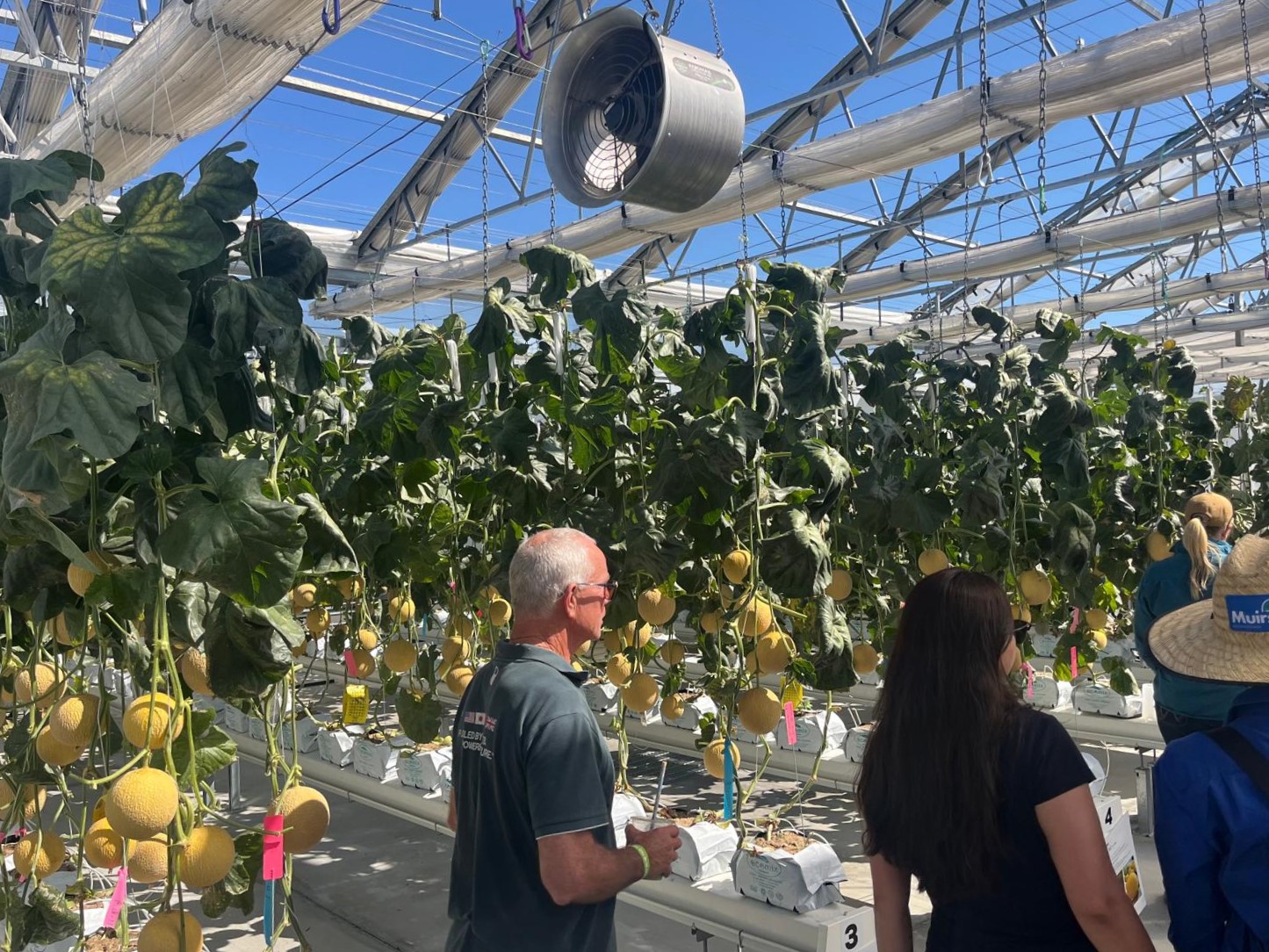
Healthy soils, efficient irrigation and emerging agricultural technologies are helping North Queensland growers find new ways to improve productivity, manage resources and build more resilient farming systems.
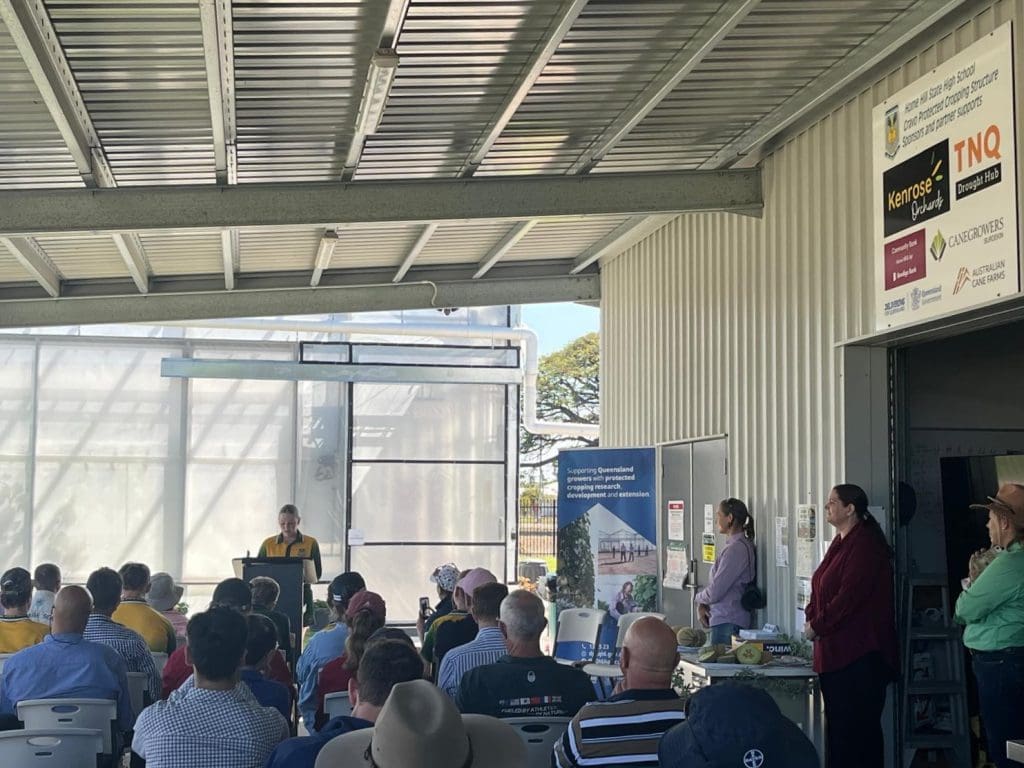
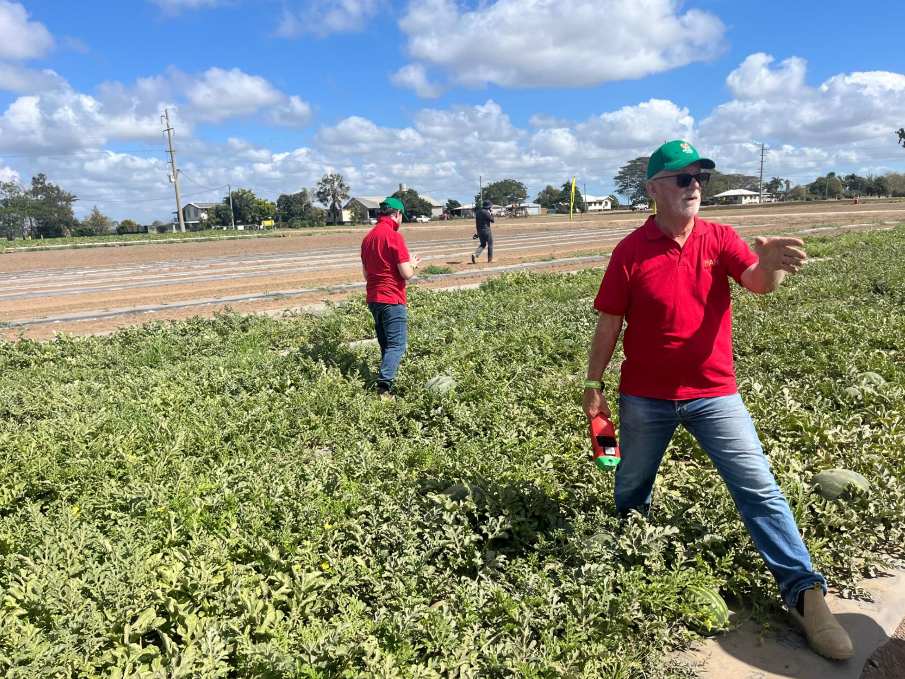
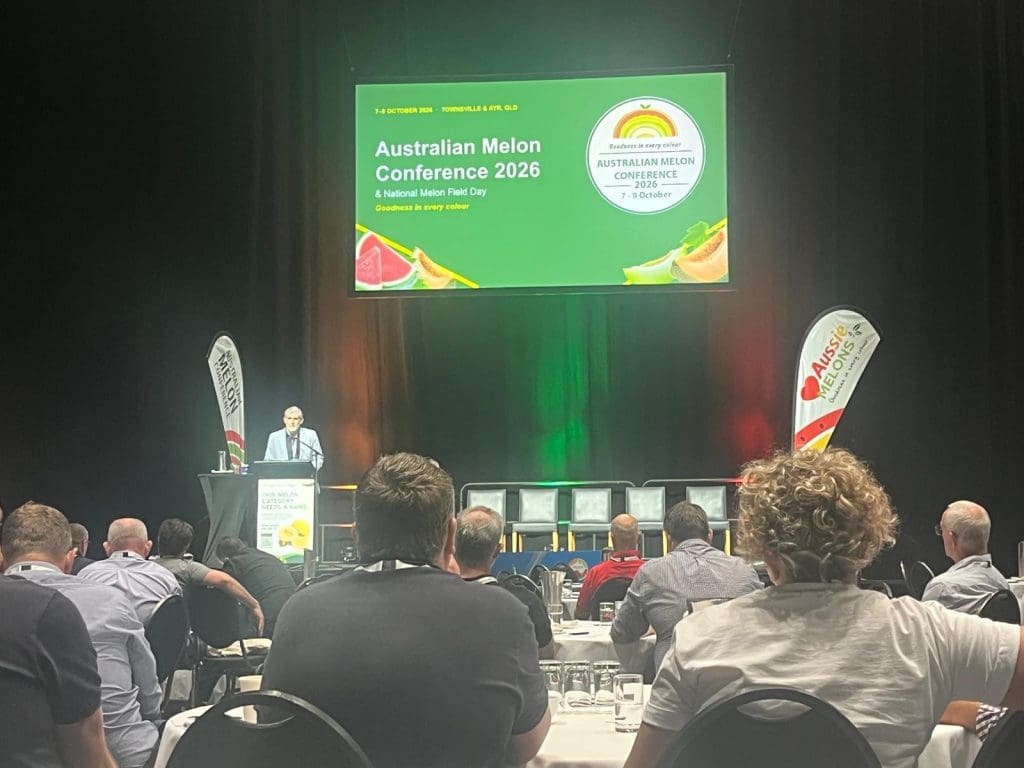
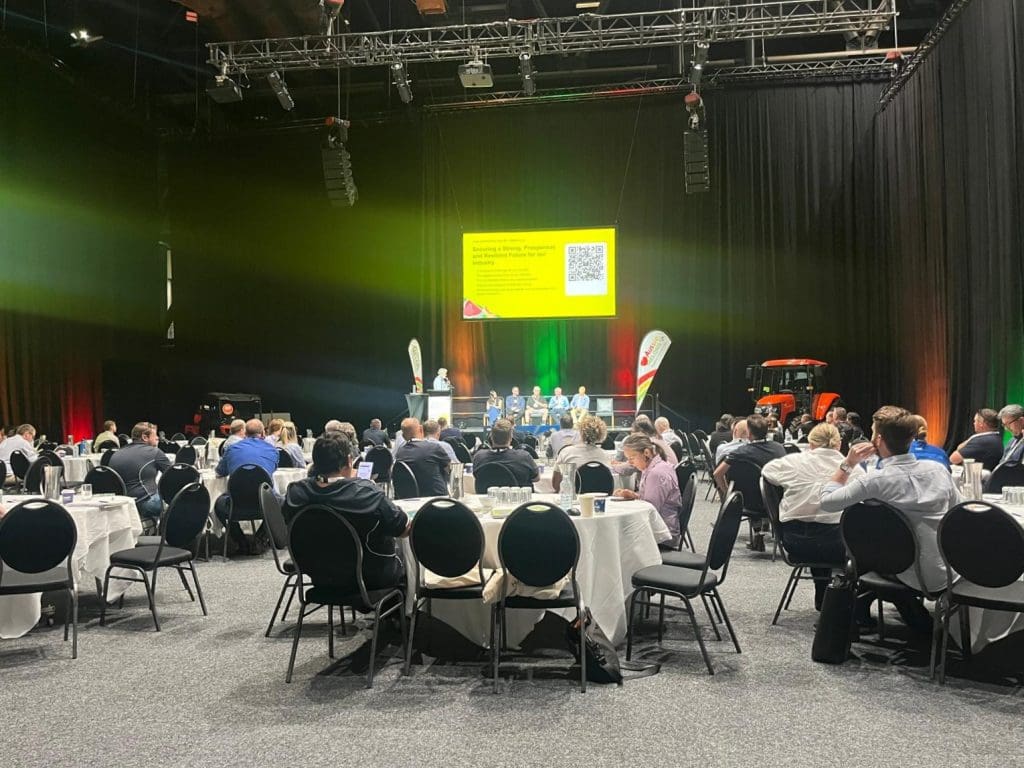
These were among the key takeaways from the Australian Melon Conference and National Melon Field Day, held in Townsville and Ayr from 7–9 October 2026.
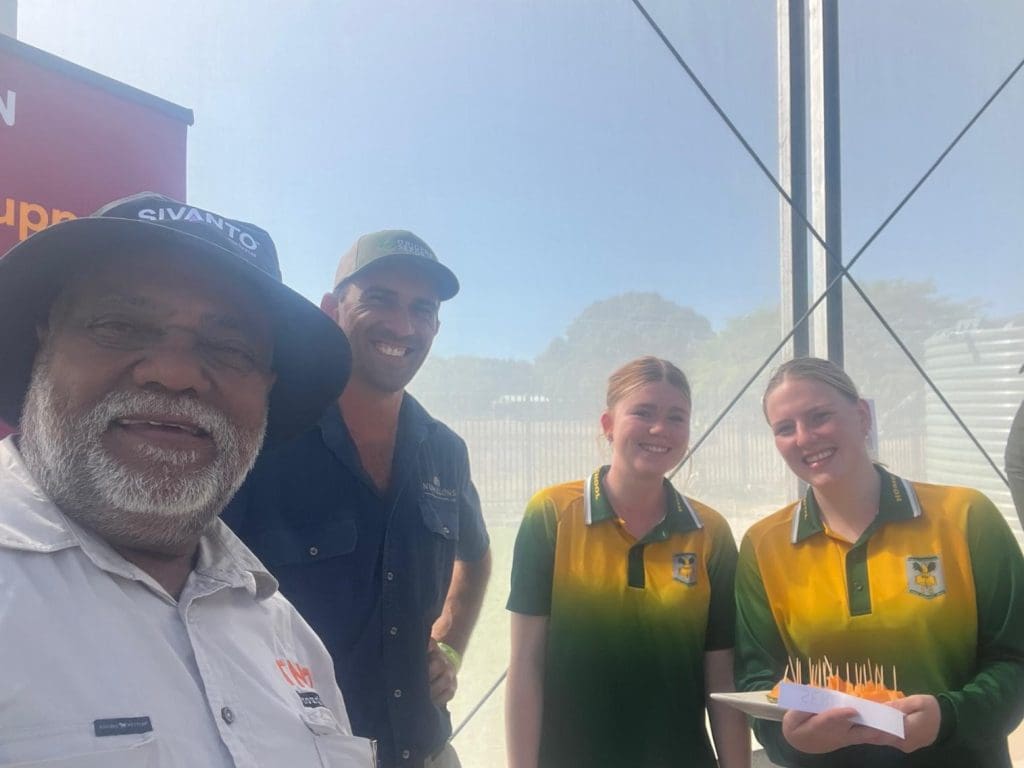
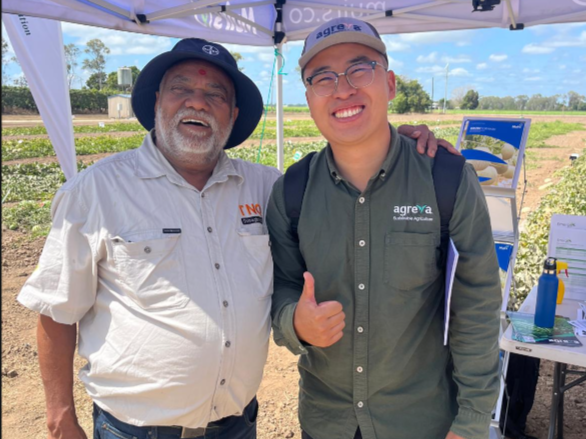
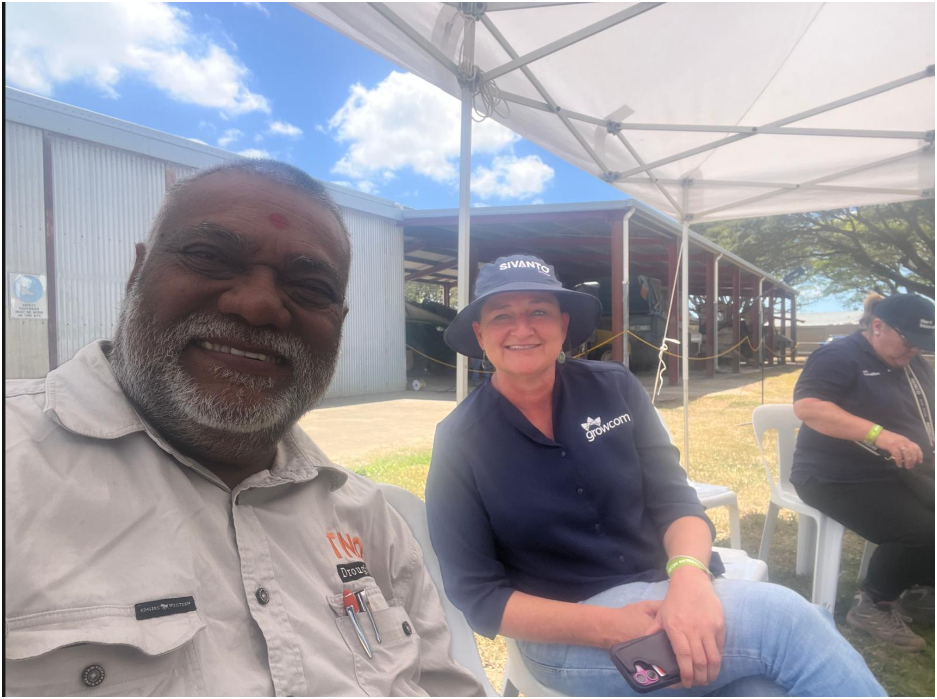
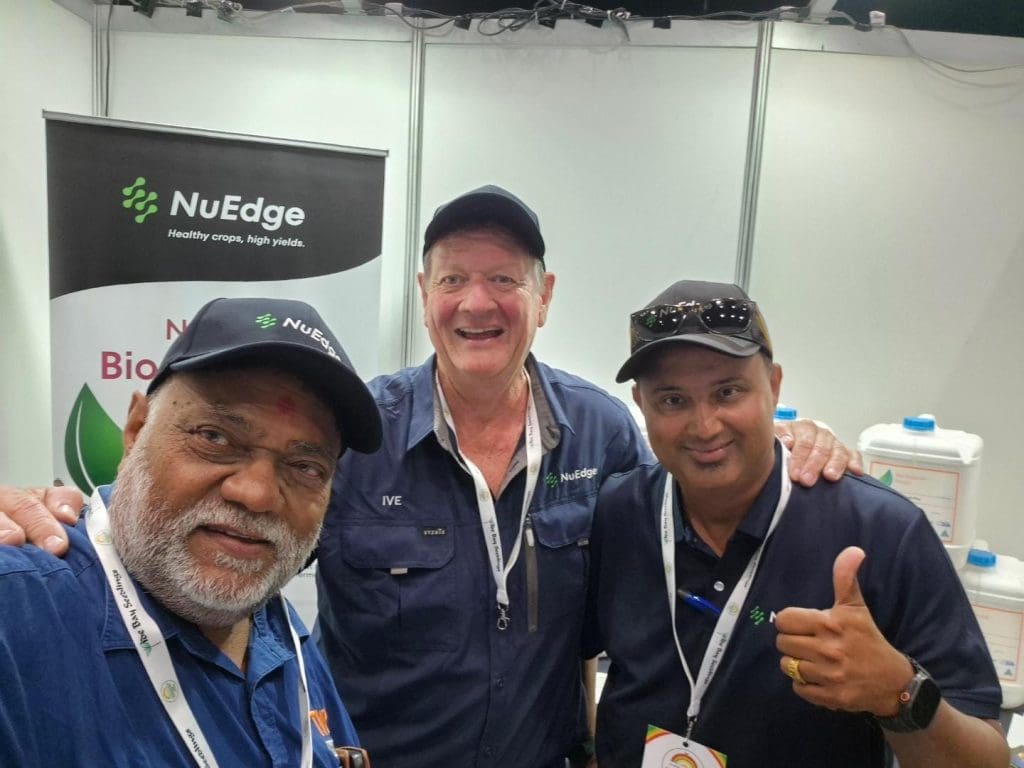
Attended by TNQ Drought Hub Regional Soil Coordinator Dhiraj Gajera, the event brought together growers, researchers, agronomists, government representatives, technology providers and industry organisations to share the latest research and innovations in melon production.
While the focus was on the melon industry, many of the practices and technologies discussed have applications across horticulture and other agricultural sectors.
Turning research into practical improvements
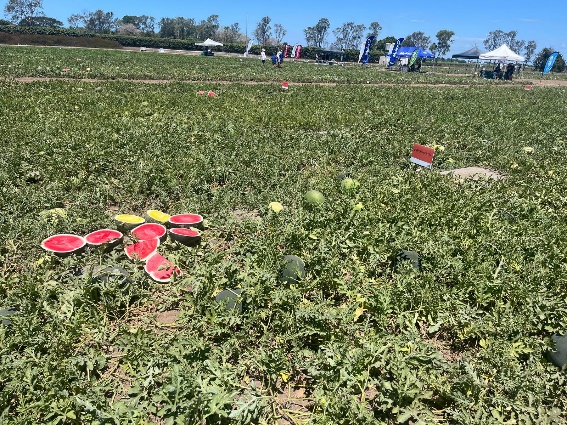
One of the highlights was the Melon Quality Improvement Project (VM23002), which is exploring how better crop monitoring and harvest decisions can improve fruit quality and reduce waste.
The project combines on-farm maturity assessments, Brix testing to measure sugar content, artificial intelligence (AI) harvest predictions and emerging non-destructive fruit scanning technologies.
Early results are encouraging, with watermelon maturity compliance increasing from 47% to 68%. The project is also helping growers improve harvest timing and deliver more consistent fruit quality.
Better quality management can mean less wasted produce and more efficient use of valuable farm resources, including water, nutrients, labour and energy.
Building soil health and making every drop count
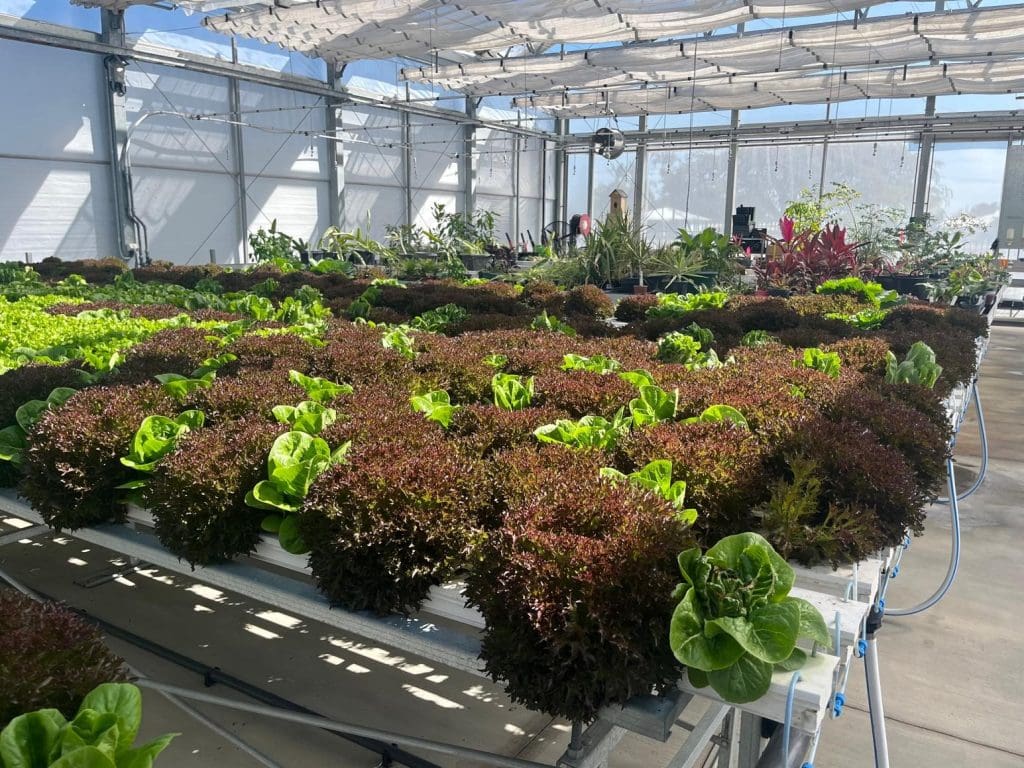
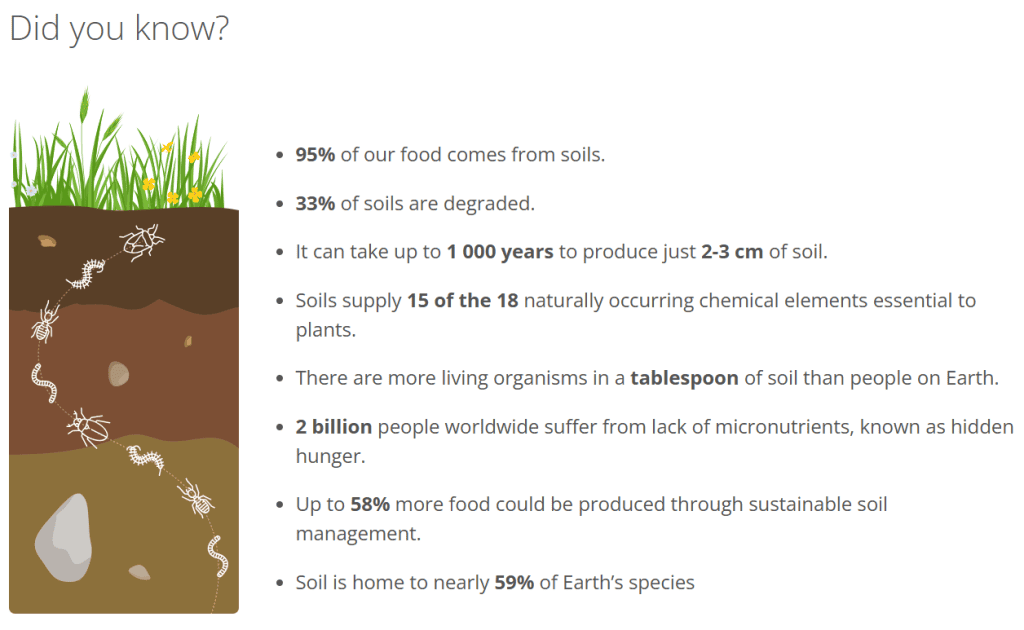
Soil health and water-use efficiency were recurring themes throughout the conference and field day.
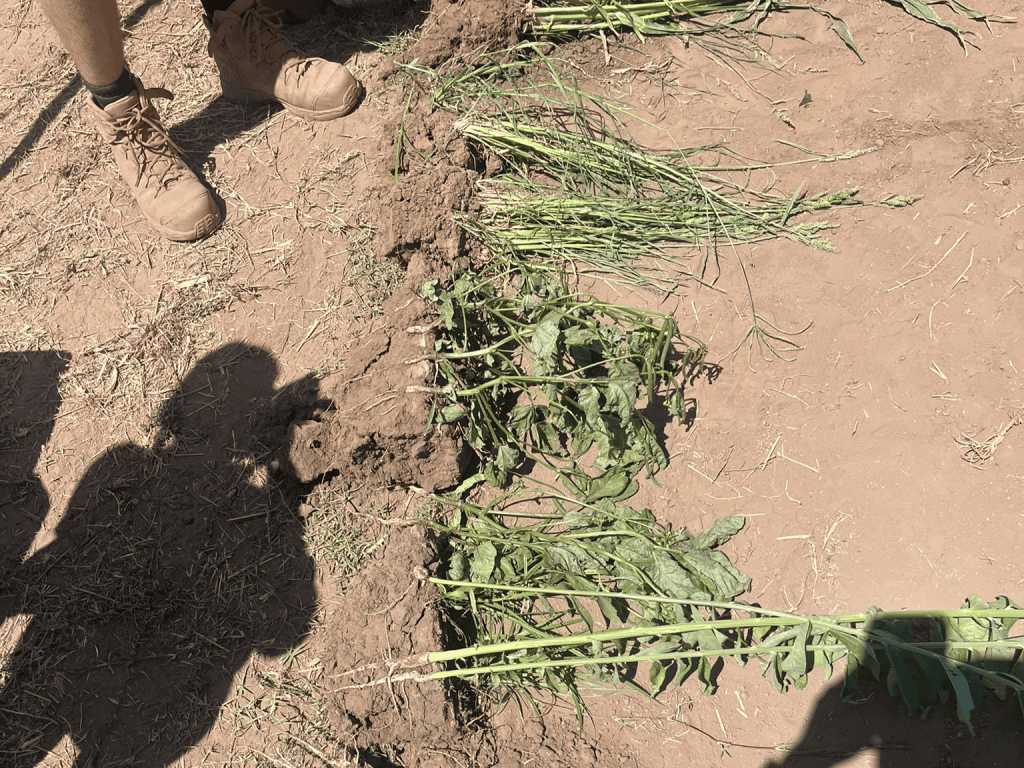
Trials at Ayr Research Station demonstrated how cover crops, including pearl millet, sorghum, mungbean and Sunn hemp, can improve ground cover, nutrient cycling and soil health.
When appropriately managed, cover crops can help protect soil, increase organic matter and support biological activity. Legume cover crops also offer opportunities for biological nitrogen fixation.
However, selecting suitable species and managing termination timing is important, particularly in water-limited conditions where cover crops can compete for stored soil moisture.
Water management was another key focus. TerraMax irrigation trials demonstrated how precision irrigation, fertigation and improved scheduling can help growers get more production and better fruit quality from every unit of available water.
Healthy soils also play an important role by improving water infiltration, storage and root development, helping crops make better use of available rainfall and irrigation.
Technology creating new opportunities
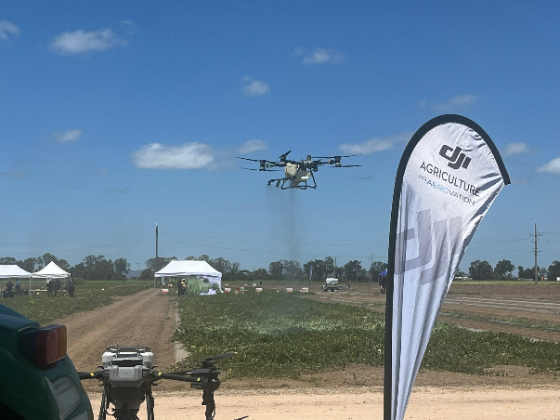
The field day also showcased the growing role of agricultural technology in horticulture.
Drones, sensors, crop monitoring systems and precision application technologies are giving growers more information about crop performance and variability across their properties.
These tools can help identify water stress, nutrient requirements and emerging production issues, allowing growers to make more targeted management decisions.
Alongside the technical demonstrations, the event provided valuable opportunities to connect with growers, seed companies, agricultural suppliers and technology providers. Discussions also explored the challenges of the past season, particularly rising production costs and how industry support could be better directed.
Connecting research with local farming needs
For the TNQ Drought Hub, the opportunity is to build on these learnings by connecting research with practical demonstrations and grower-led adoption across the region.
Future opportunities include demonstrations combining soil health, cover crops, irrigation management and nutrient efficiency, with measurable results to help growers assess what works under local conditions.
As Dhiraj’s participation reinforced, sustainable farming is not about adopting one practice or technology in isolation. It is about understanding how soil, water, crops and farm management work together.
By sharing knowledge, strengthening industry connections and showcasing practical innovations, the TNQ Drought Hub will continue supporting opportunities for North Queensland producers to make informed decisions about the future of their farming systems.
Find out more about our Regional Soil Coordinator and the National Soil Strategy