

Healthy soils are the foundation of productive farms, but understanding how they function requires more than classroom learning. It takes practical experience, collaboration and the opportunity to learn directly in the field.
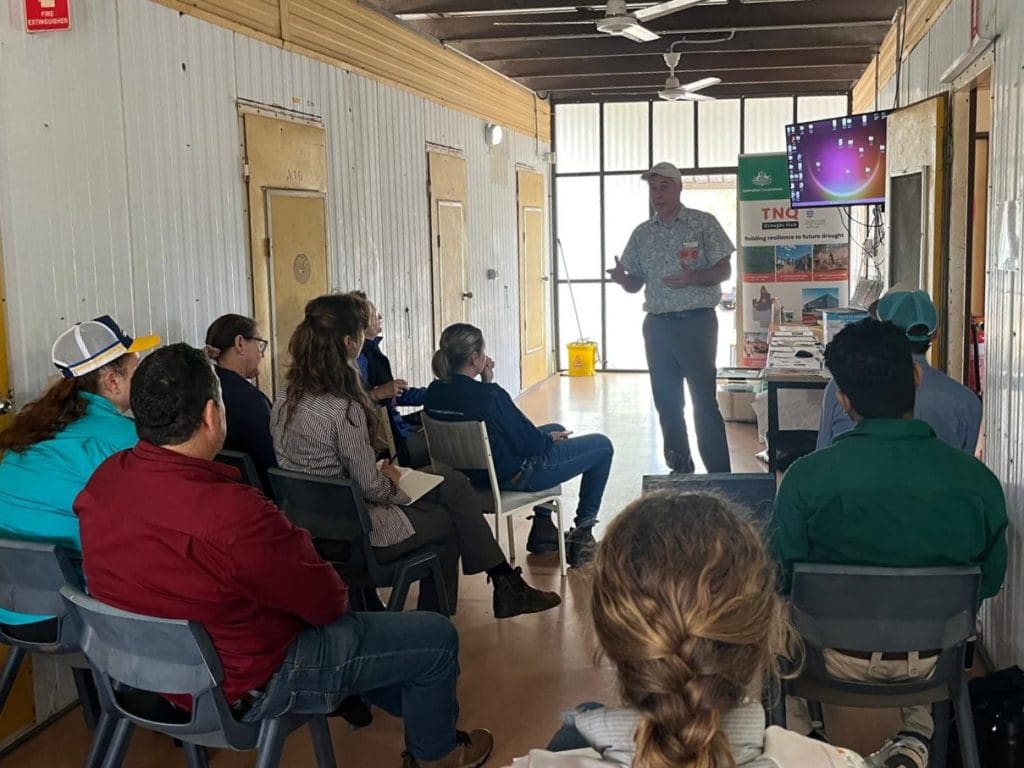
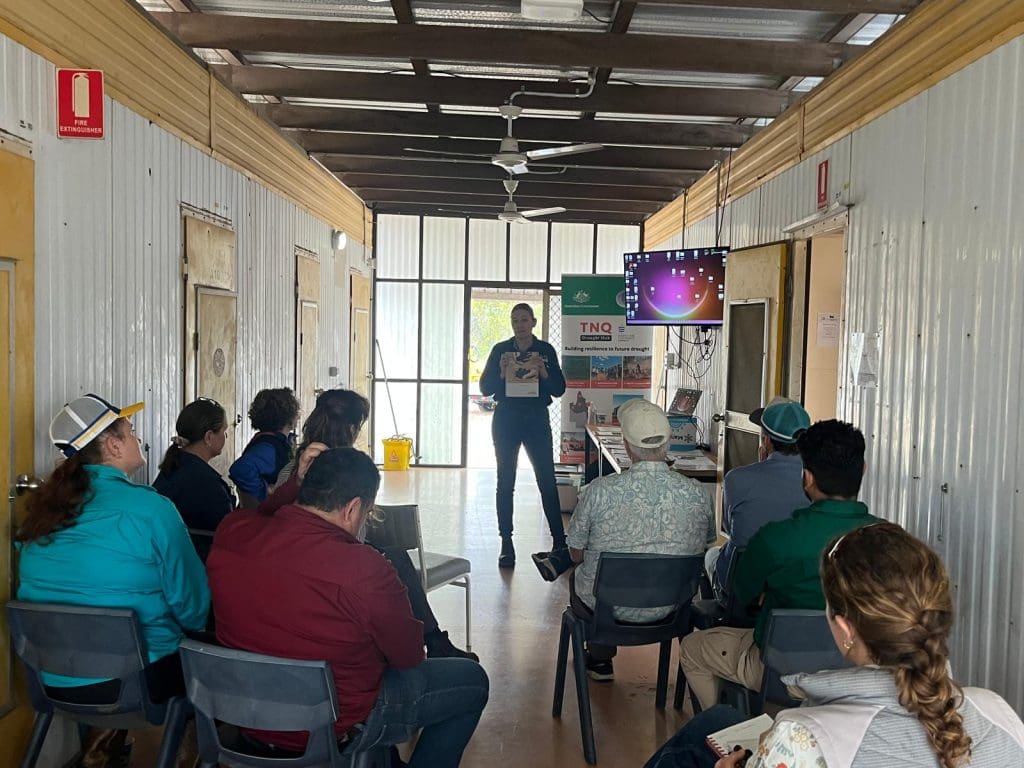
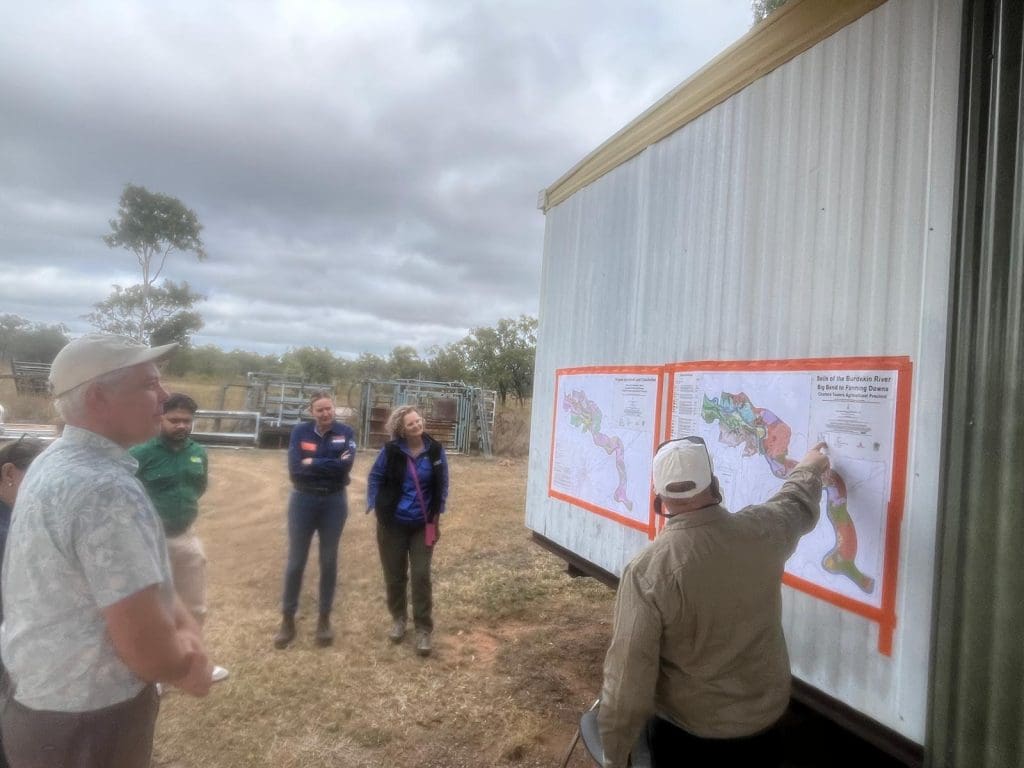
To help build the next generation of soil professionals, an Early Career Soil Scientist Training Day was recently delivered at James Cook University’s Fletcherview Research Station. Developed in partnership with the TNQ Drought Hub, Burnett Mary Regional Group (BMRG), Reef Catchments and Soil Science Australia and supported by NQ Dry Tropics and Queensland Department of Natural Resources and Mines, the workshop brought together emerging soil scientists from across Queensland to strengthen practical skills, share knowledge and build professional networks.
The initiative was developed in response to soil knowledge gap analyses undertaken by Regional Soil Coordinators, which identified a shortage of soil expertise across regional Australia. By investing in early career professionals, the program is helping build a pipeline of skilled advisors who can support producers with practical, locally relevant soil management advice.
TNQ Drought Hub Regional Soil Coordinator, Dhiraj Gajera said building capability across the industry was an important investment in the future of Australian agriculture.
“Building practical soil knowledge today means growers will have access to better local expertise into the future. Programs like this give early career professionals the confidence and skills to translate soil science into practical advice that supports more informed farm management.”
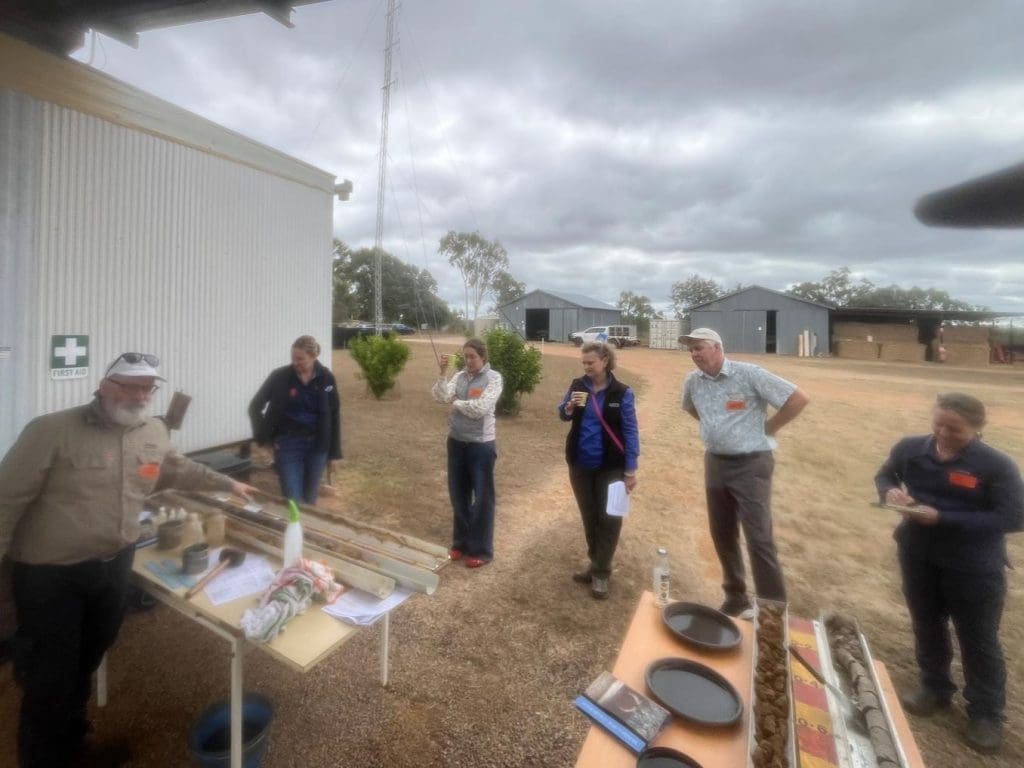
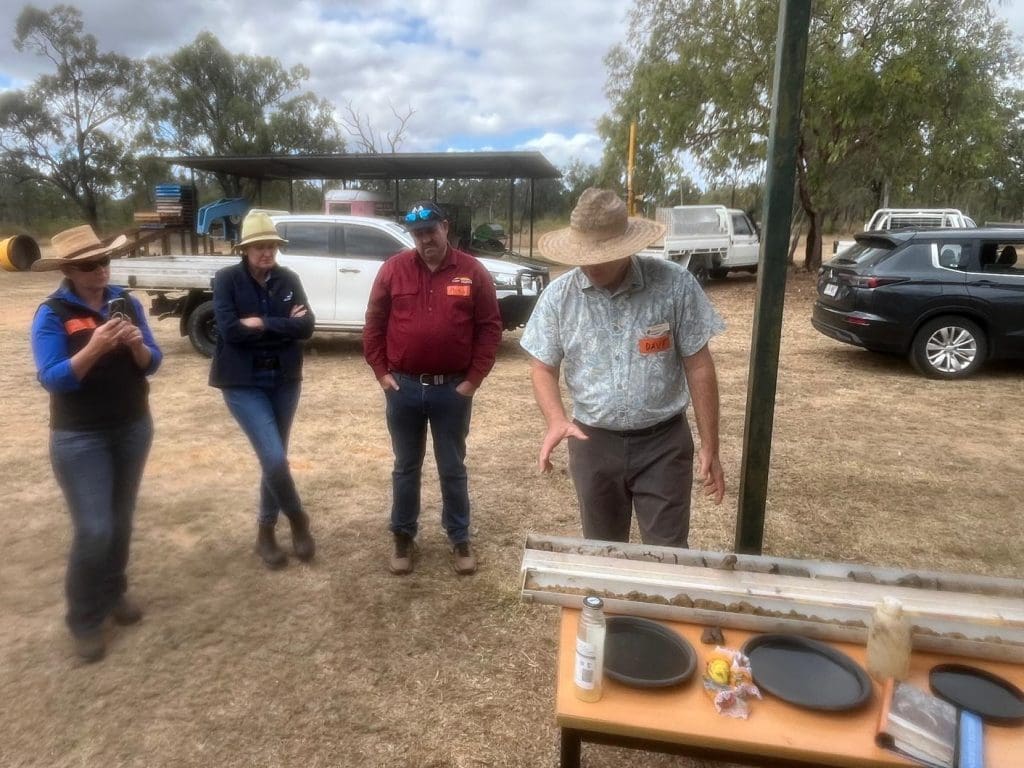
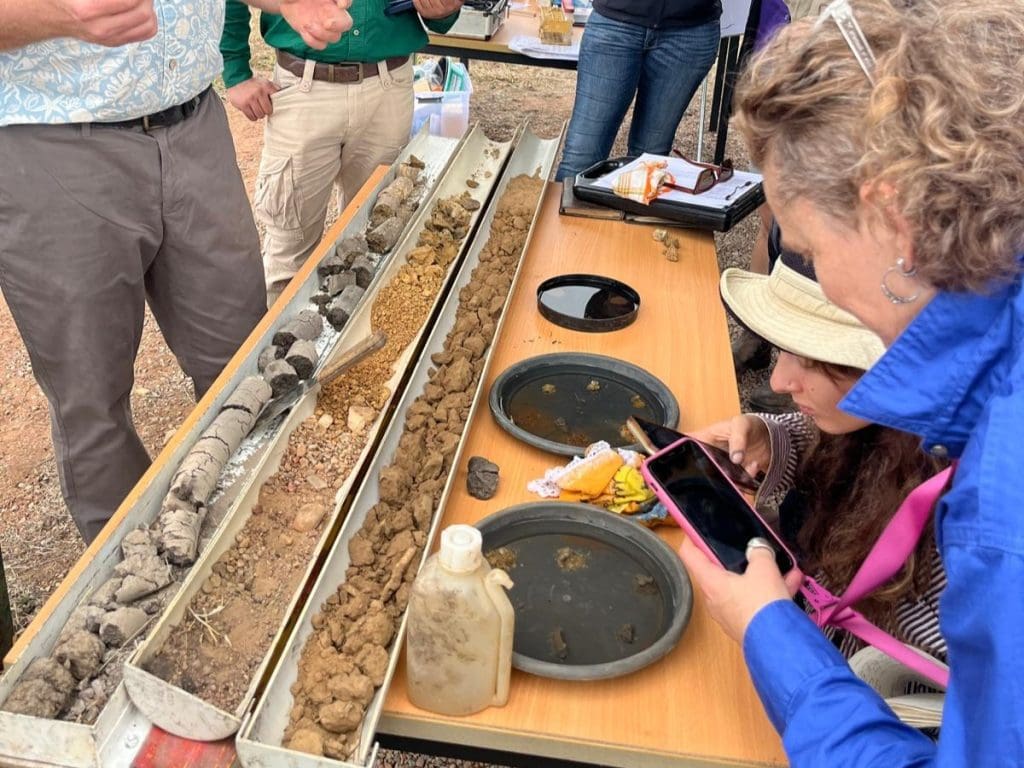
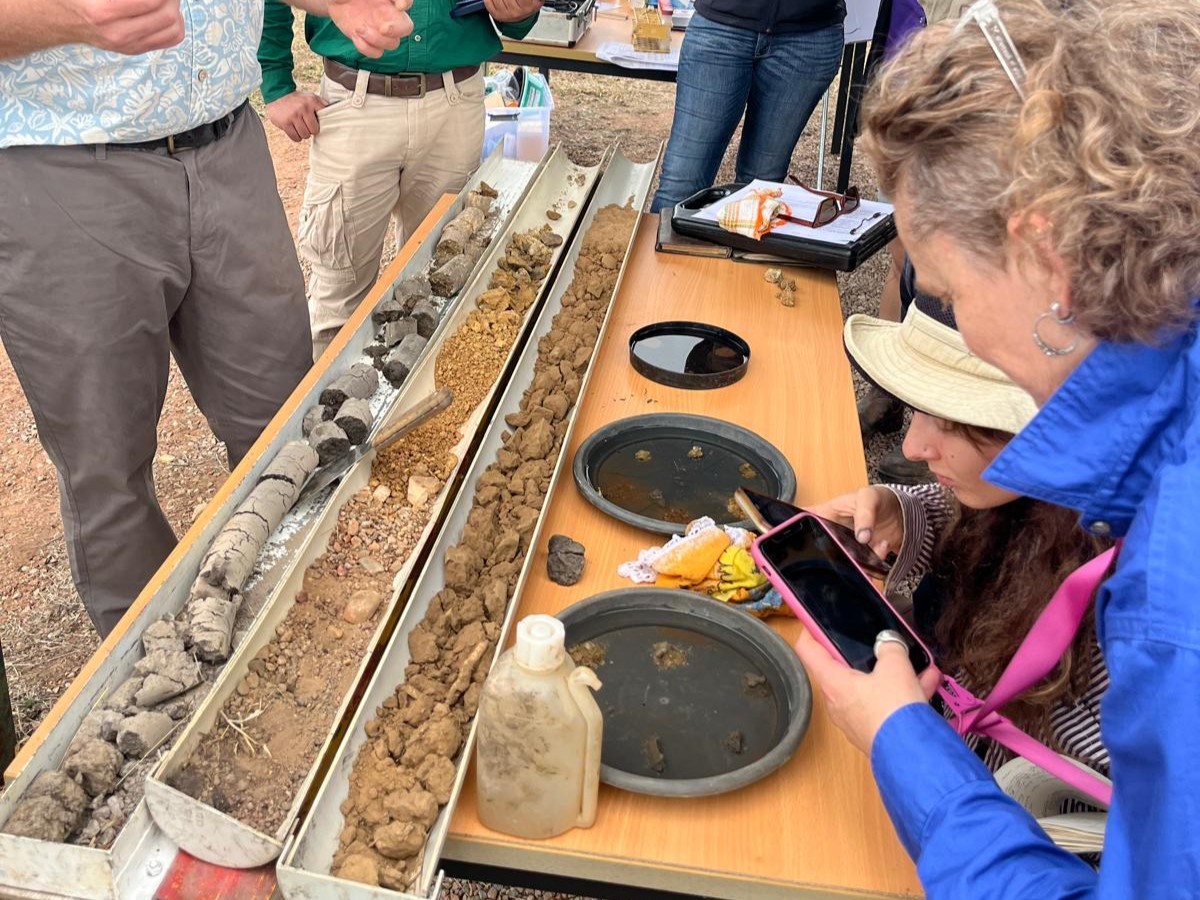
Held in the field, participants gained practical experience using a mechanised soil corer to examine intact soil profiles and interpret changes in soil texture, structure and other key characteristics with depth. They also explored how soil properties influence water movement, root growth, nutrient availability and productivity, providing valuable insights that can be applied across a range of farming systems.
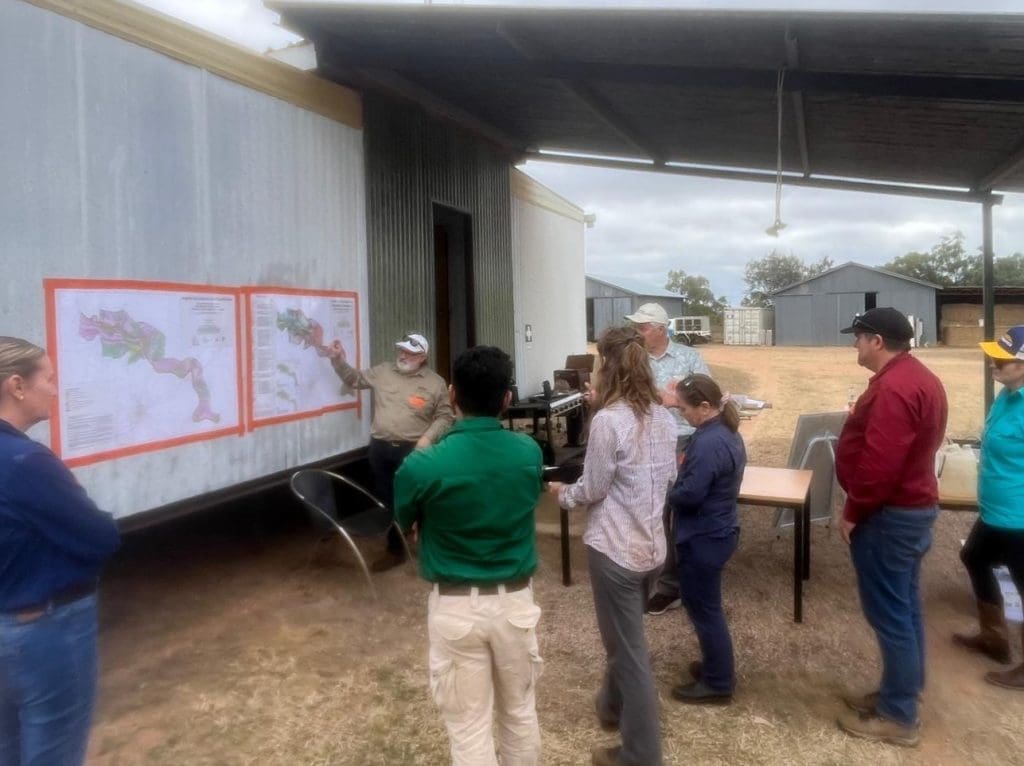
A variety of sessions were held, including ones led by BMRG and the Queensland Government that examined the relationship between soil texture, structure, geomorphology and land formation, while Dhiraj presented on the importance of soil biology, organic matter, biodiversity and soil carbon in maintaining healthy, productive soils.
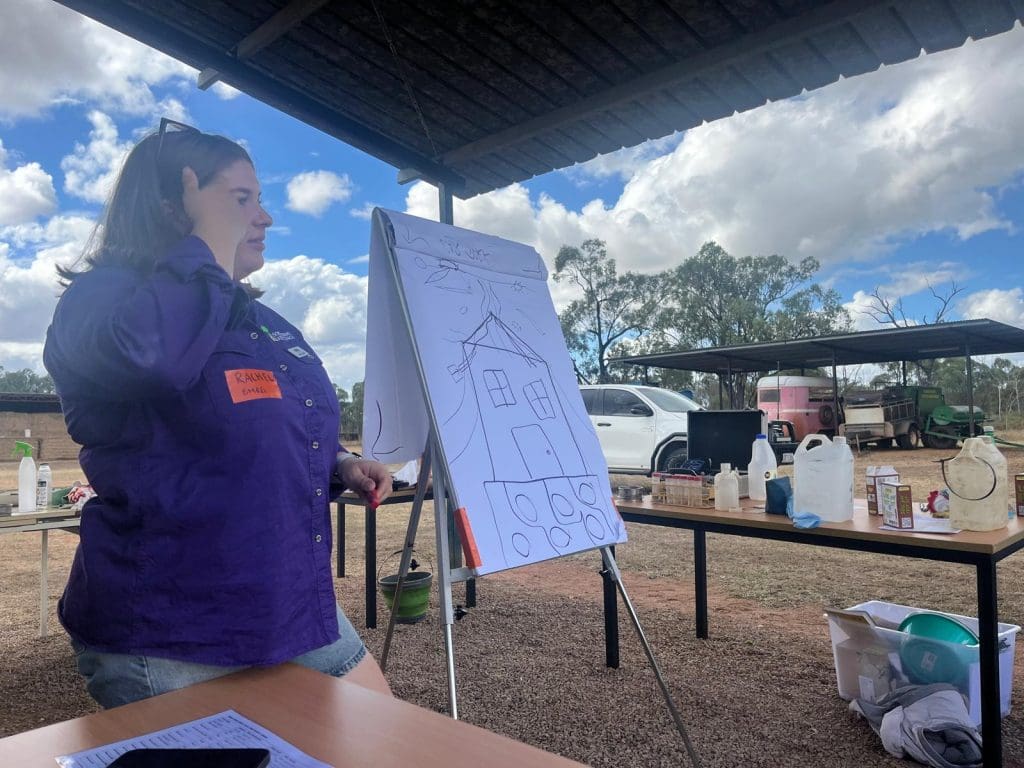
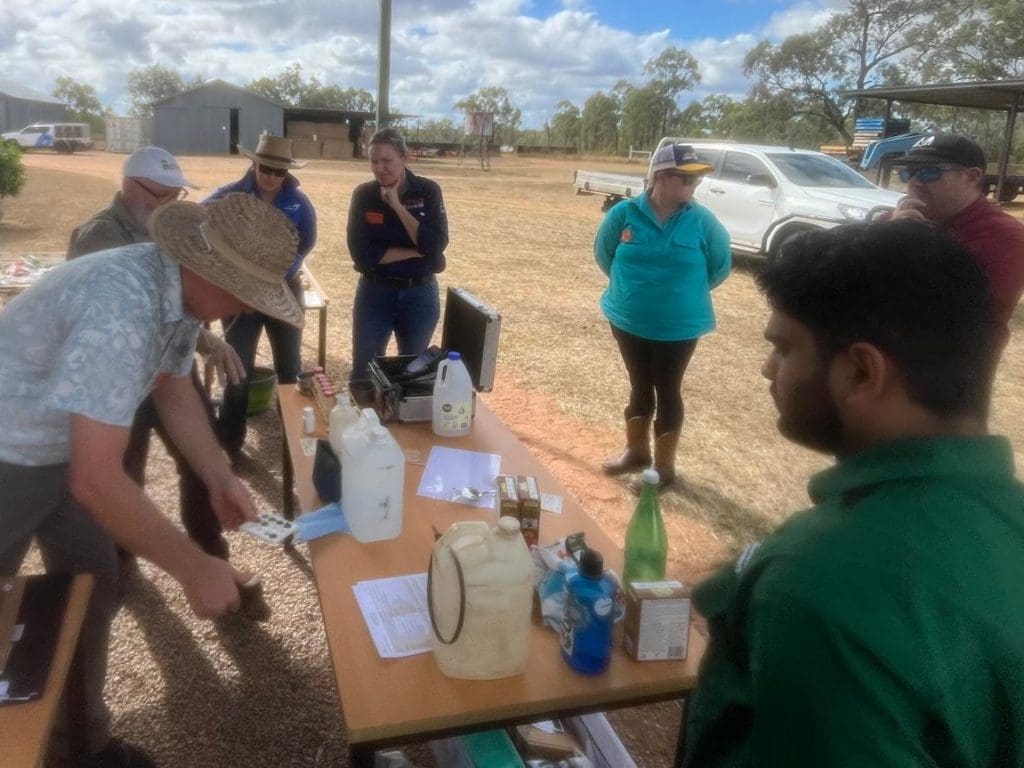
Participants also took part in practical demonstrations, including dispersion and slaking tests, to better understand soil structural stability, infiltration and erosion risk.
Beyond the technical training, the workshop highlighted the value of collaboration in building Australia’s soil science capability, and through a facilitated conversation discussed the gaps experienced in Soil Science in Northern Queensland.
By bringing together soil science practitioners, participants strengthened professional networks, shared knowledge and gained practical skills that will ultimately benefit producers through better soil management and more informed decision making.