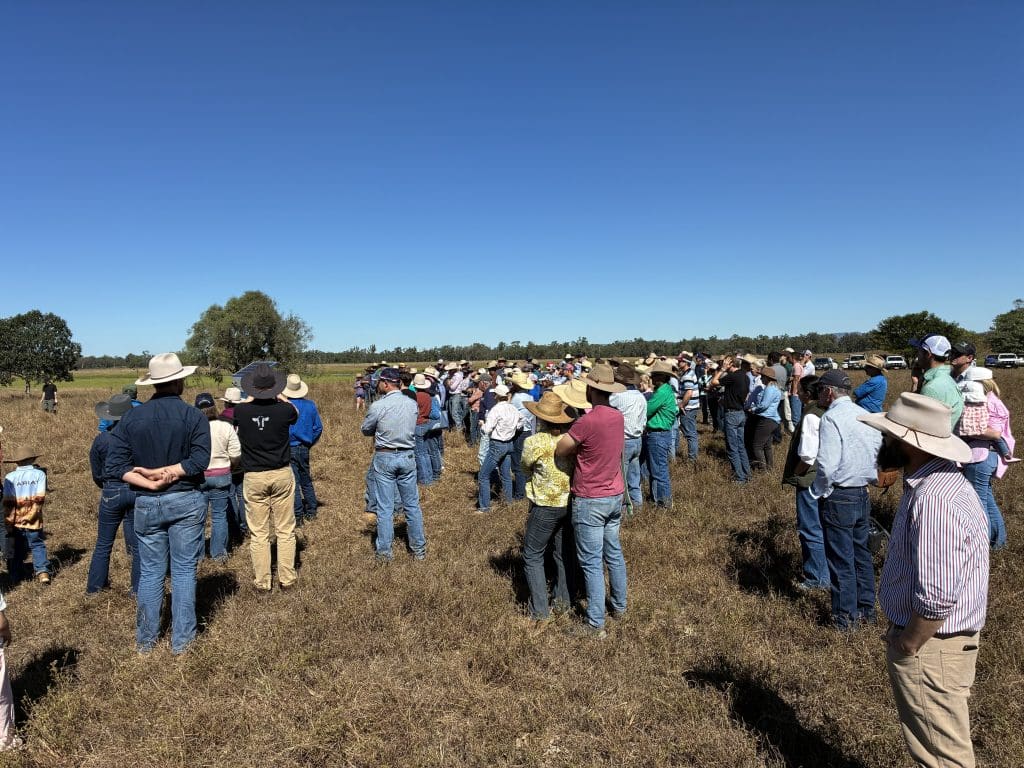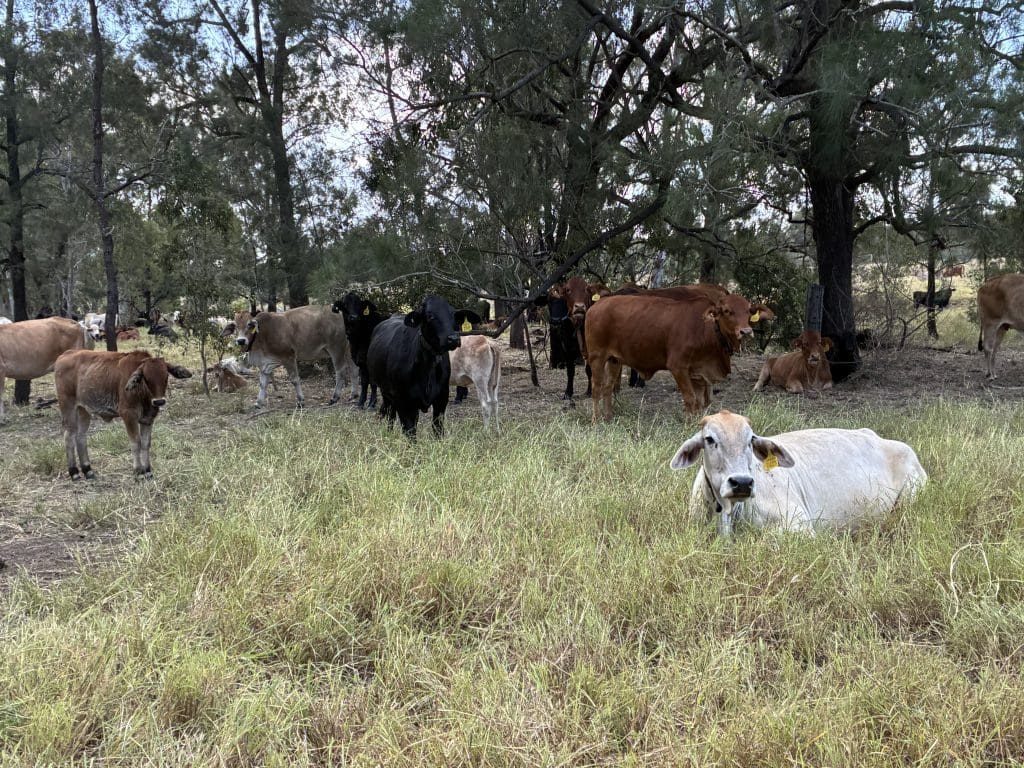


Virtual fencing technology was the focus of a well-attended field day at “Lake Learmonth” near Yamala, where producers and industry representatives gathered to see how the technology is being used in a commercial beef operation.
Hosted by producers Neil and Claire Farmer, the event attracted a diverse group of attendees, including producers, researchers, extension staff and agricultural technology providers. Representing the Tropical North Queensland Drought Resilience Adoption and Innovation Hub, Adoption Officer Jane Barker joined the discussions and explored how emerging technologies can support grazing management decisions.
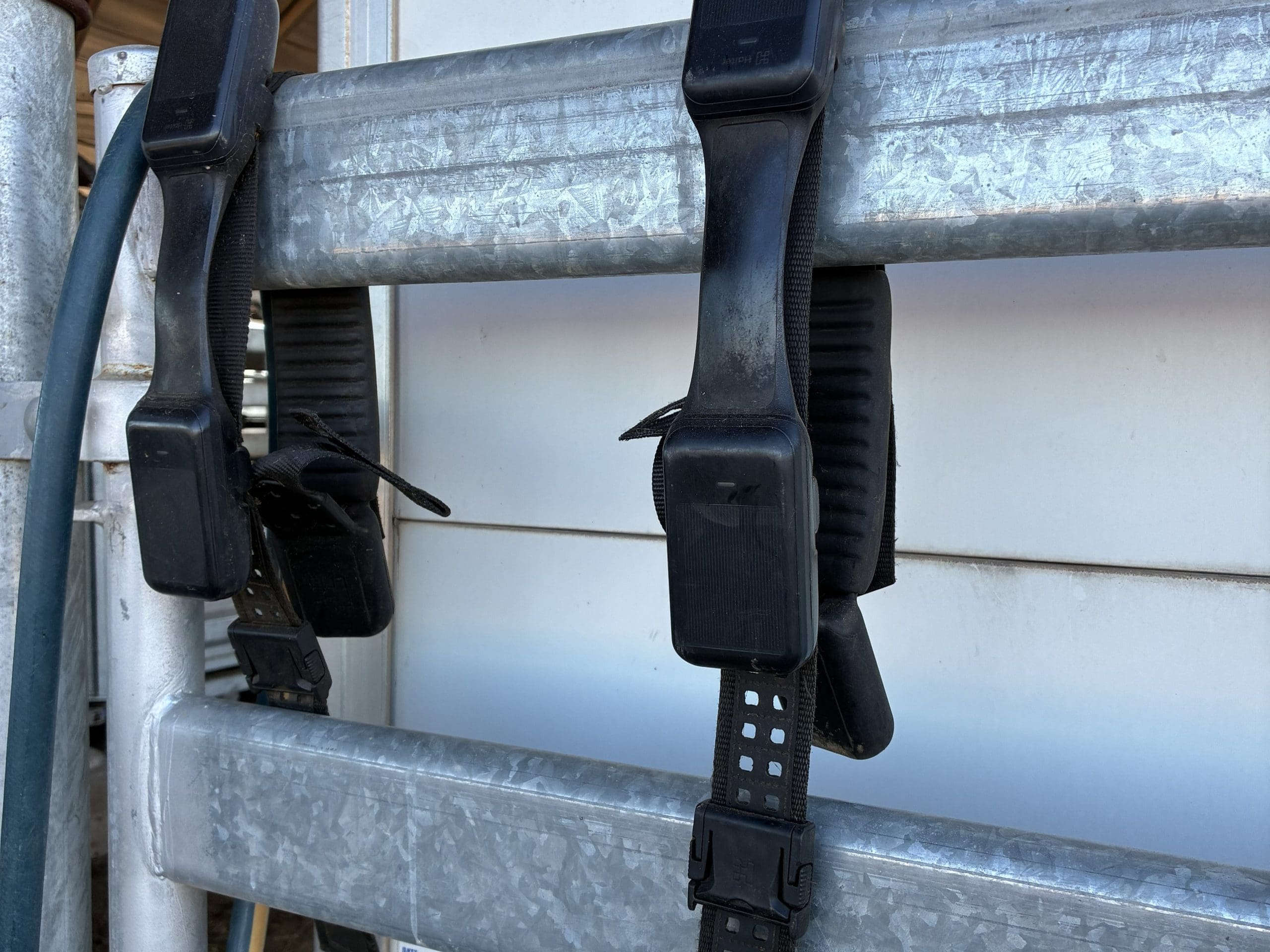
The demonstration showcased how virtual fencing can help producers better manage grazing pressure, protect sensitive areas such as riparian zones, and reduce the need for additional fencing infrastructure. Combined with livestock monitoring systems, the technology can also provide valuable data on animal performance and movement.
“It was encouraging to see so many producers exploring virtual fencing and asking practical questions about benefits and how it could work in their own businesses,” Jane said.
“While many are waiting for satellite connectivity to improve accessibility, there is genuine interest in how the technology can support increased productivity benefits through grazing management.”
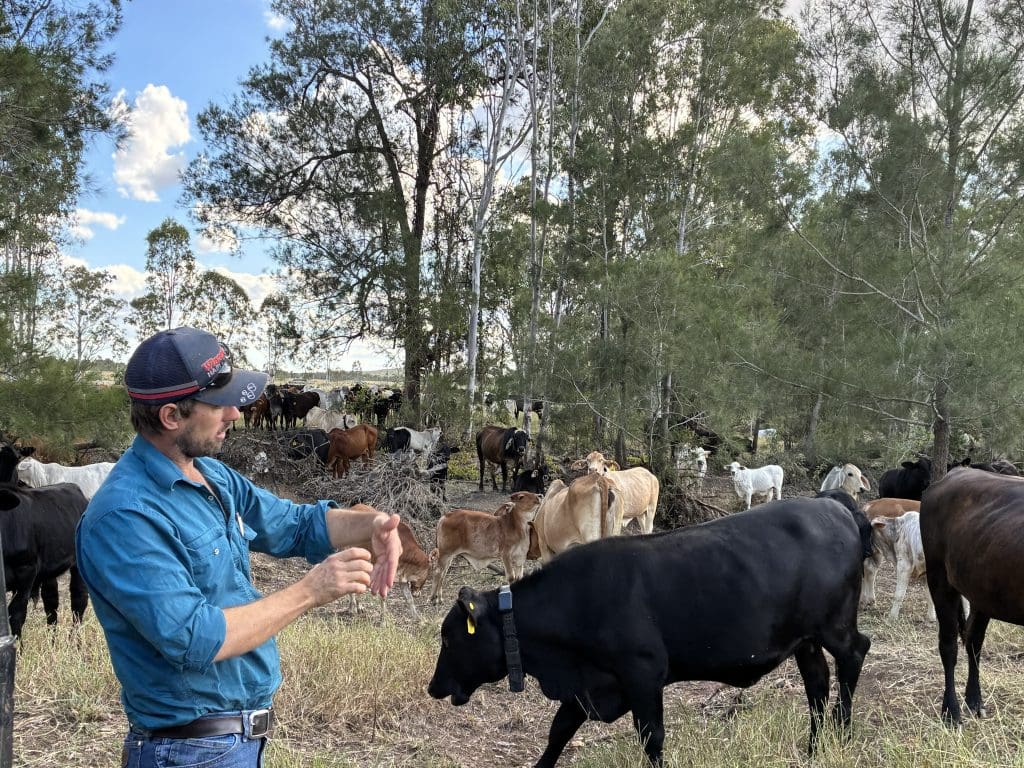
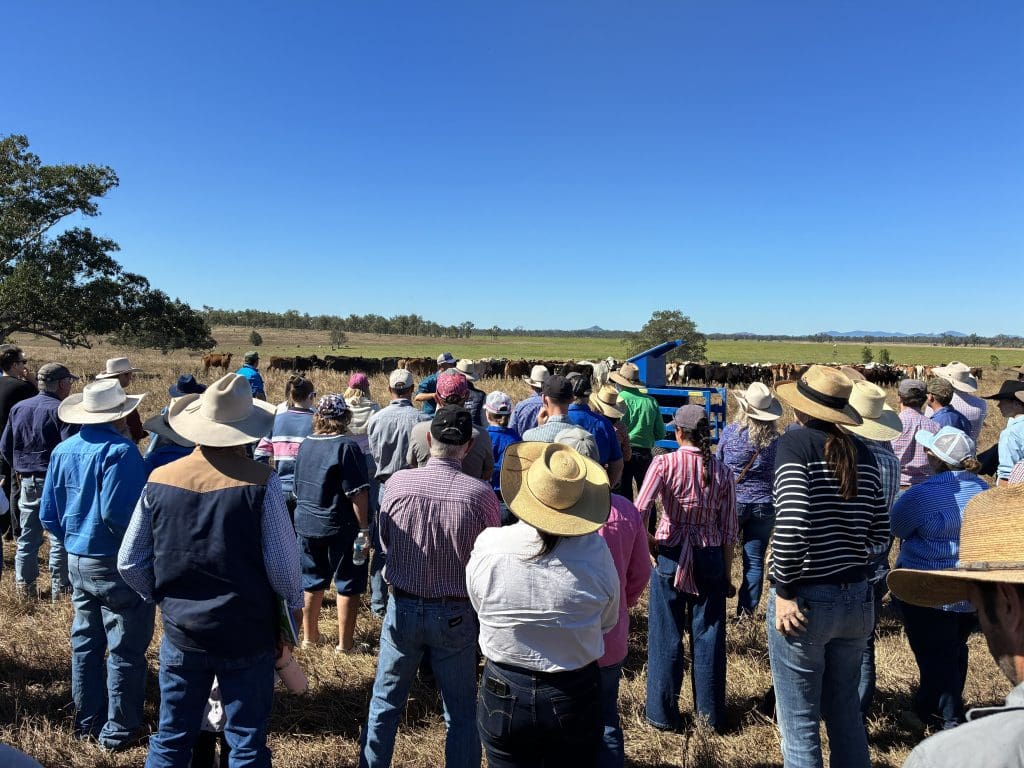
Producer Neil Farmer has been using the system for 10 weeks and shared benefits including labour savings, improved pasture utilisation, more precise grazing boundaries, better protection of environmental areas and access to real-time animal activity data.
Jane said one of the strongest messages from the day was that technology is only part of the solution.
“Virtual fencing provides a tool, but it’s the decisions producers make that unlock it’s value.”
The field day also sparked important conversations about how new technologies may influence future management decisions, particularly during dry periods, and how producers can adapt their management practices to make the most of these systems.
Events like these provide valuable opportunities for producers to learn from each other’s experiences, ask questions and see emerging technologies operating under real commercial conditions before making investment decisions.