

Key takeaways
- The hub sponsored the On-Farm Innovation session, creating an opportunity for producers to hear directly from their peers, ask questions about AI and AgTech, and explore how technology can be applied in real farm businesses.
- The forum also explored succession, property and investment, wealth creation, markets, export opportunities and soil regeneration, highlighting some of the broader decisions shaping the future of northern agriculture.
- Small changes to how you manage tasks, information or decisions can make a meaningful difference to farm efficiency and business resilience.
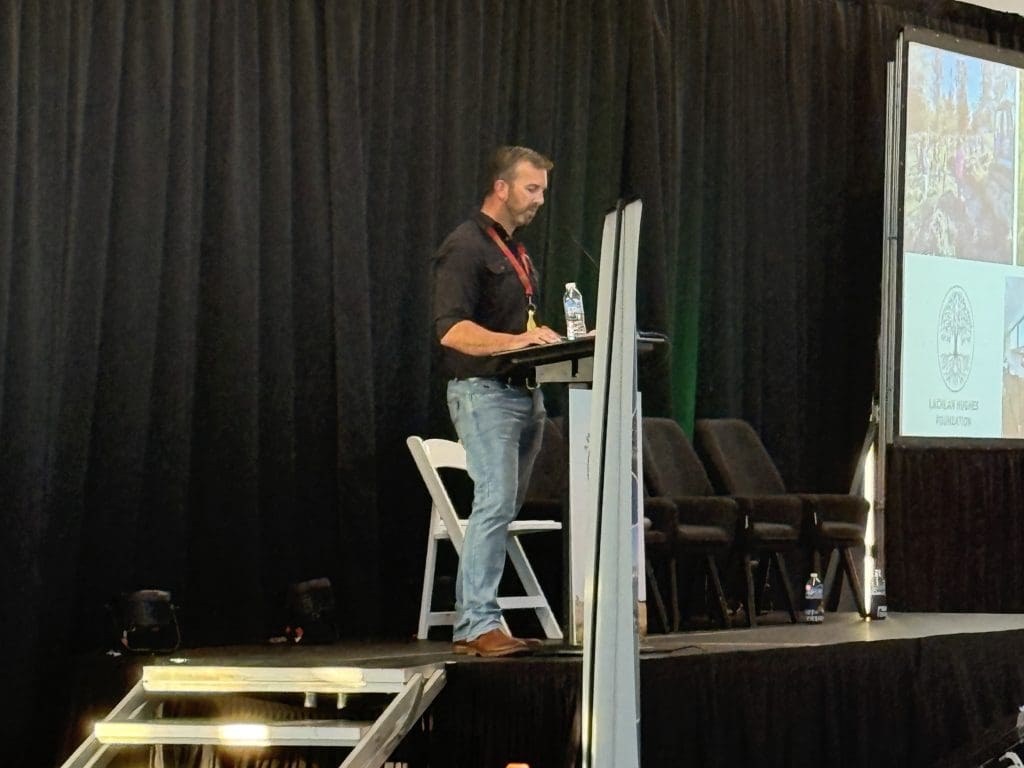
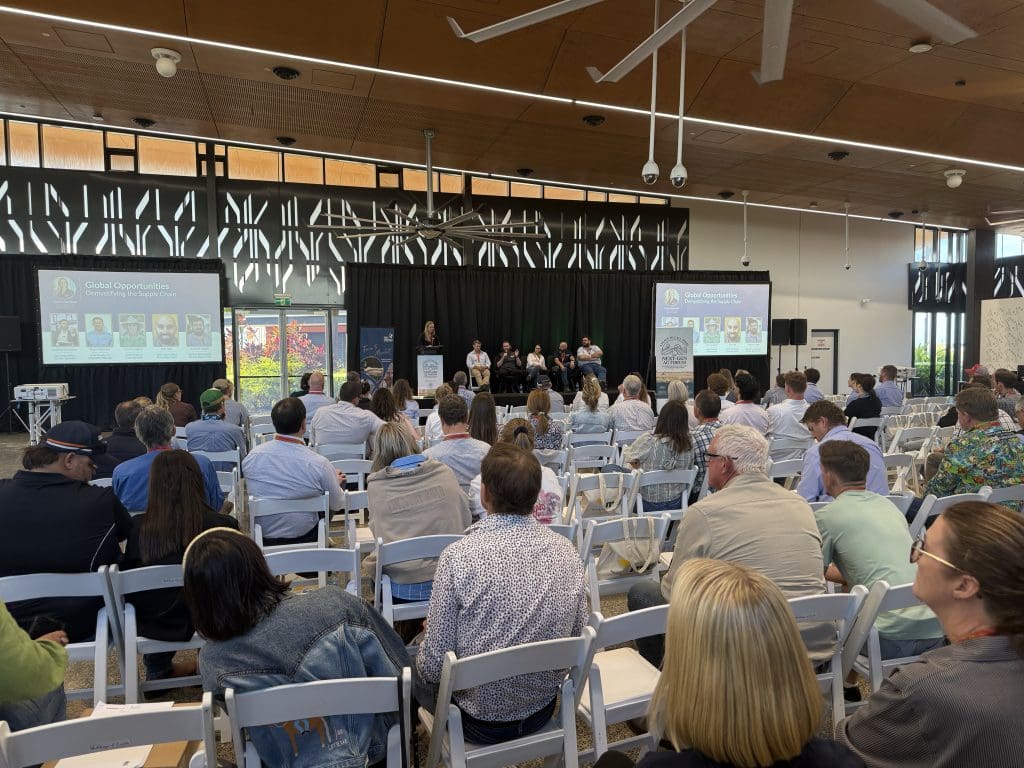
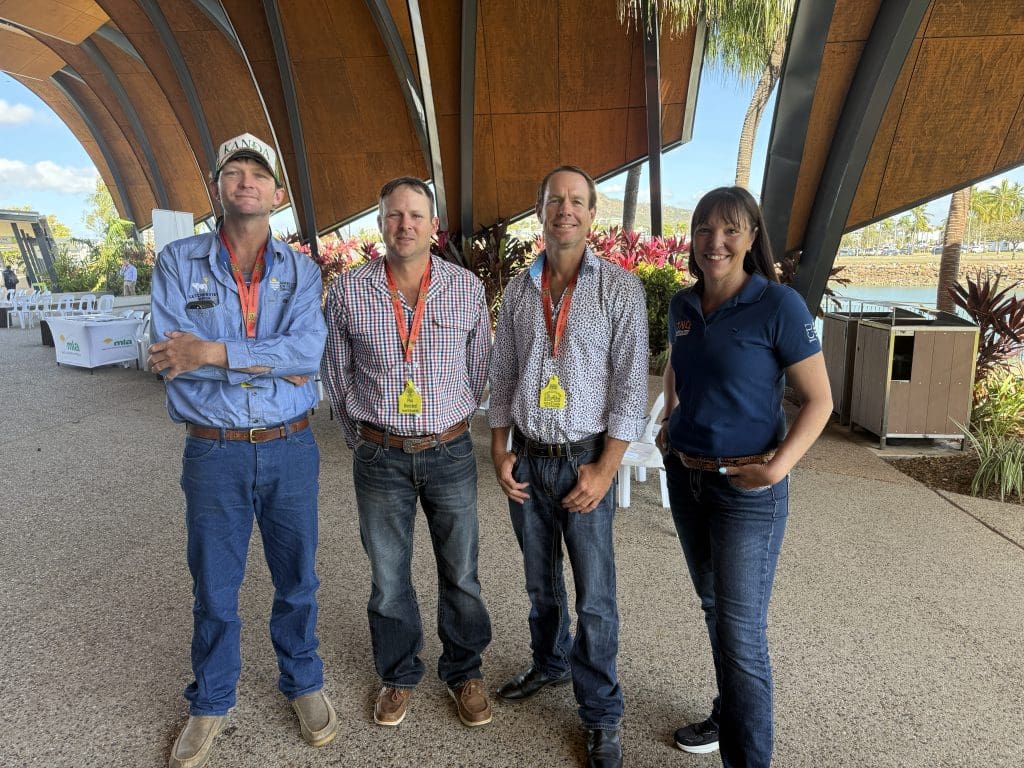
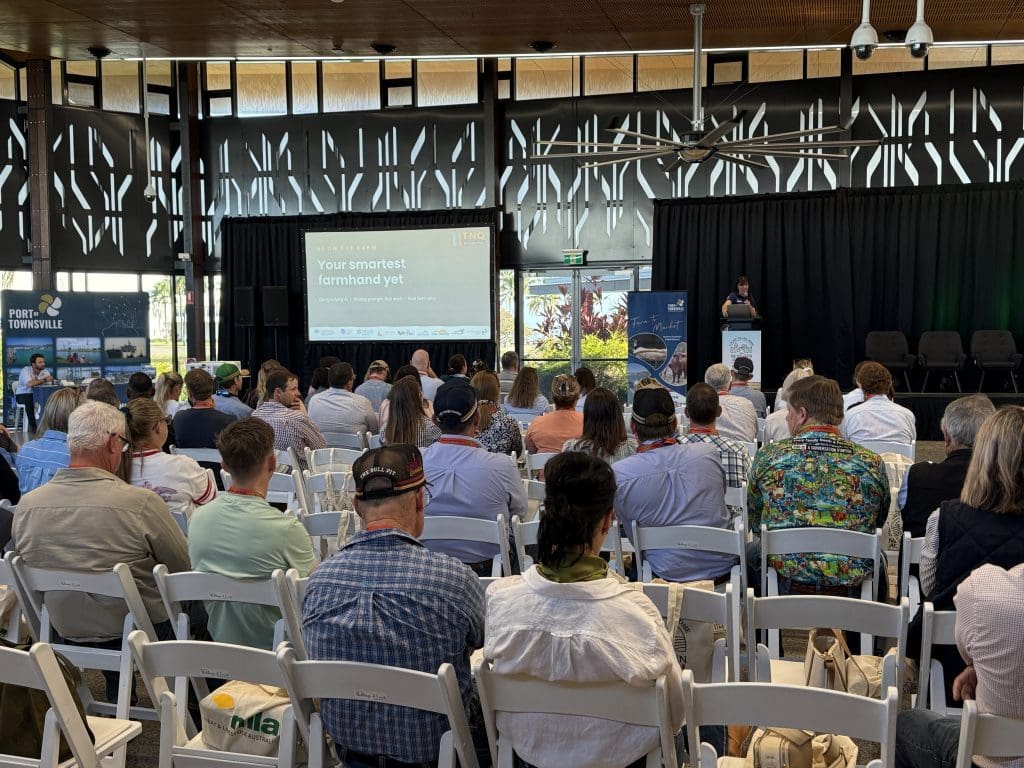
The A Place To Call Home Next-Gen Ag Forum held on the 21st August in Townsville, brought together people from across northern agriculture to share experiences, challenge ideas and look at what the future could hold for the region’s primary producers.
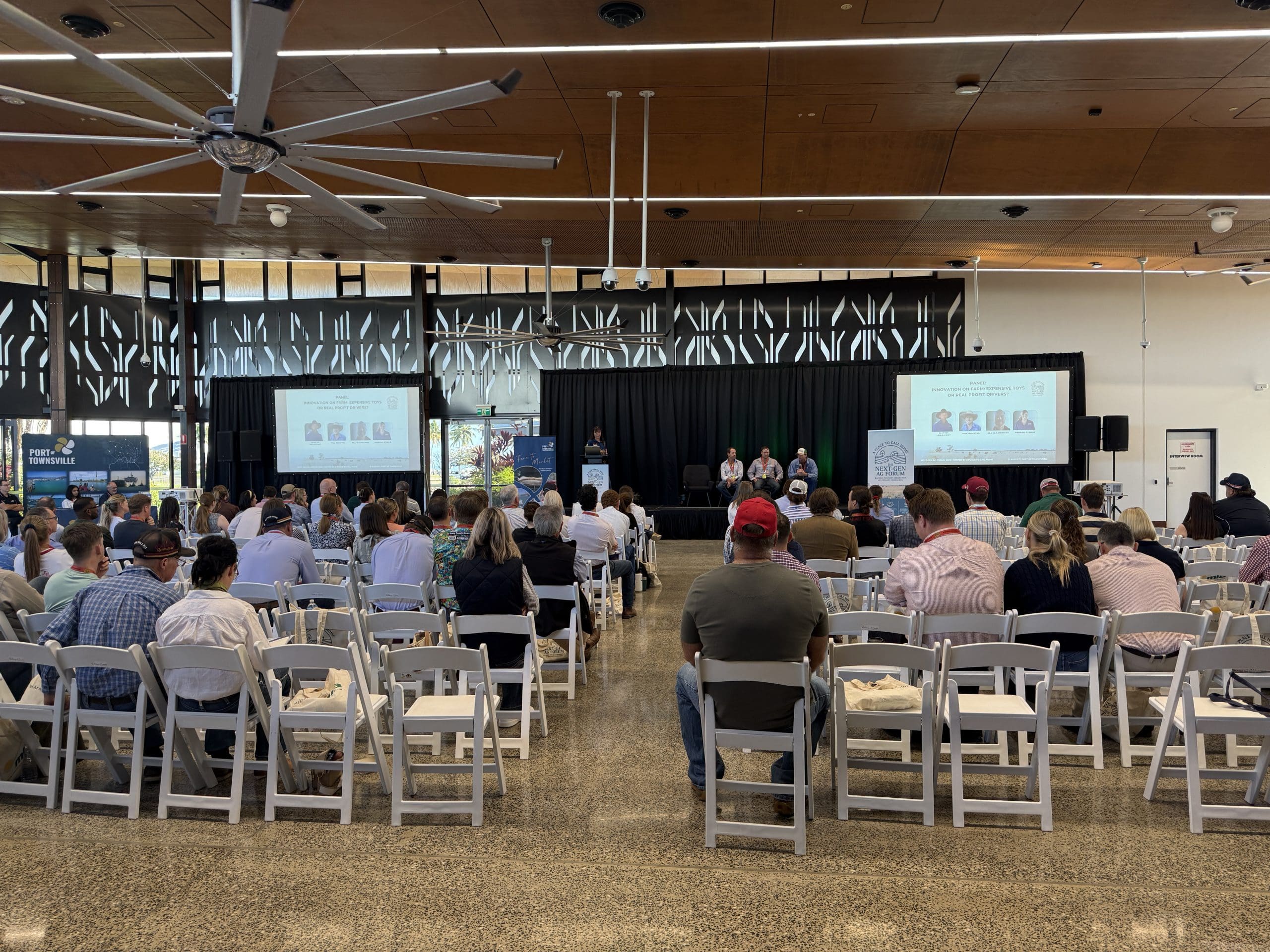
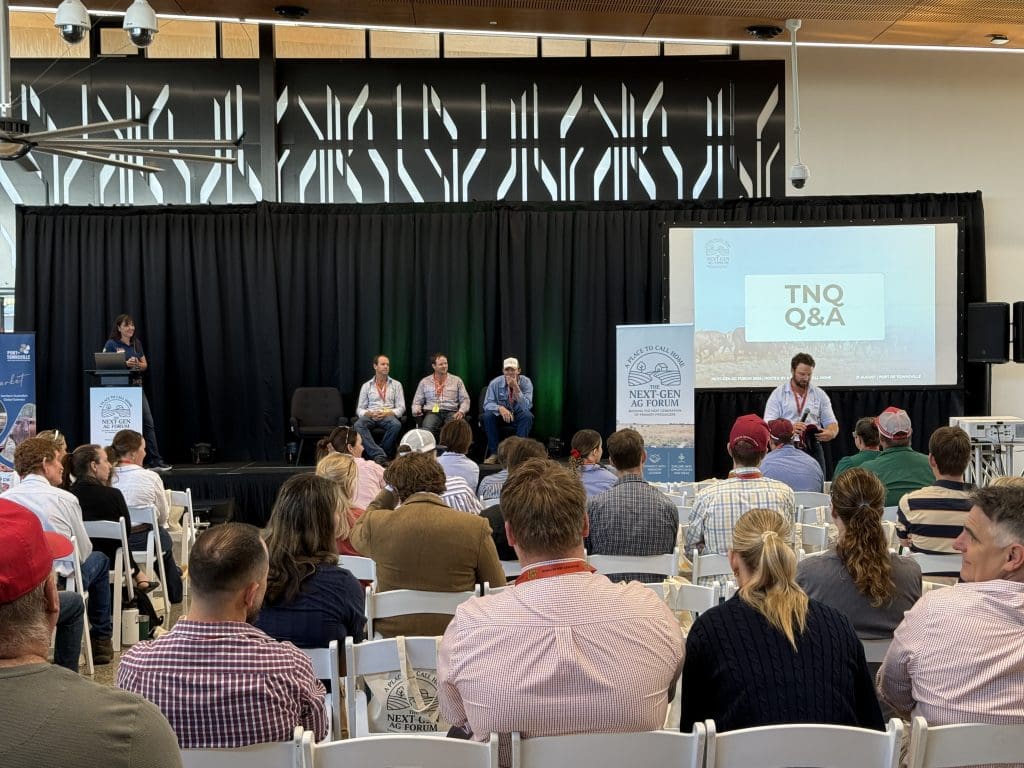
The TNQ Drought Hub was proud to sponsor the On-Farm Innovation session, where the conversation turned to AI, AgTech and the practical ways technology can support agricultural businesses.
Rather than focusing on what technology could do, the session heard directly from producers already using technology in their businesses. They shared what they have tried, what has worked, what hasn’t and the lessons they have learnt along the way.
The discussion highlighted an important question for producers: how do you know whether a technology is actually worth investing in? Audience questions explored what makes technology useful on-farm, how to distinguish between solutions that genuinely address a problem and those that may simply add complexity, and where AI can provide real value.
There was also discussion about the role AgTech companies play in developing solutions for agriculture. For technology to be useful, it needs to understand the realities of farming and solve genuine problems faced by producers.
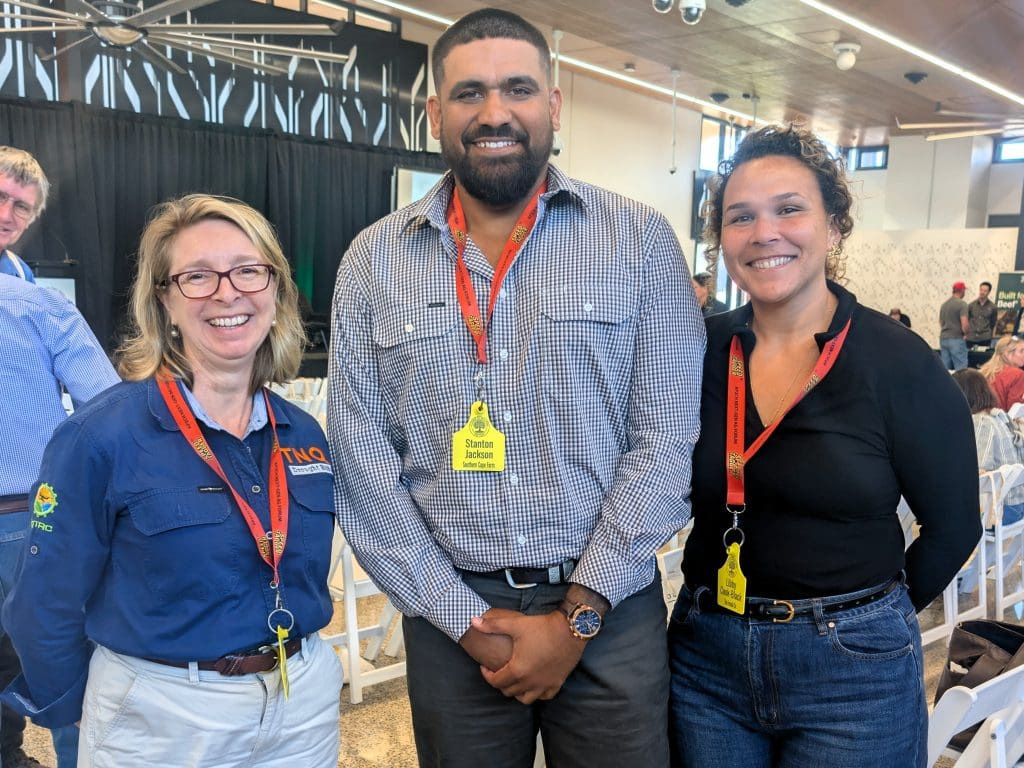
The hub also supported First Nations producers Stanton and Libby from Southern Cape Farm near Cooktown to attend the forum. Having established their farm to reconnect with country, culture and community while building a future in agriculture, the couple are in the early stages of developing their enterprise. The opportunity gave them a chance to connect with other producers, learn from different perspectives and bring new ideas home to their own operation.
Libby said they had already started applying some of what they learnt; “We’re actually still talking about different parts of what we learnt and how we can apply it back on the farm. We’ve already started trying out some contours for our land management based on what we learnt. It’s been really exciting to come home and start putting some of it into practice.”
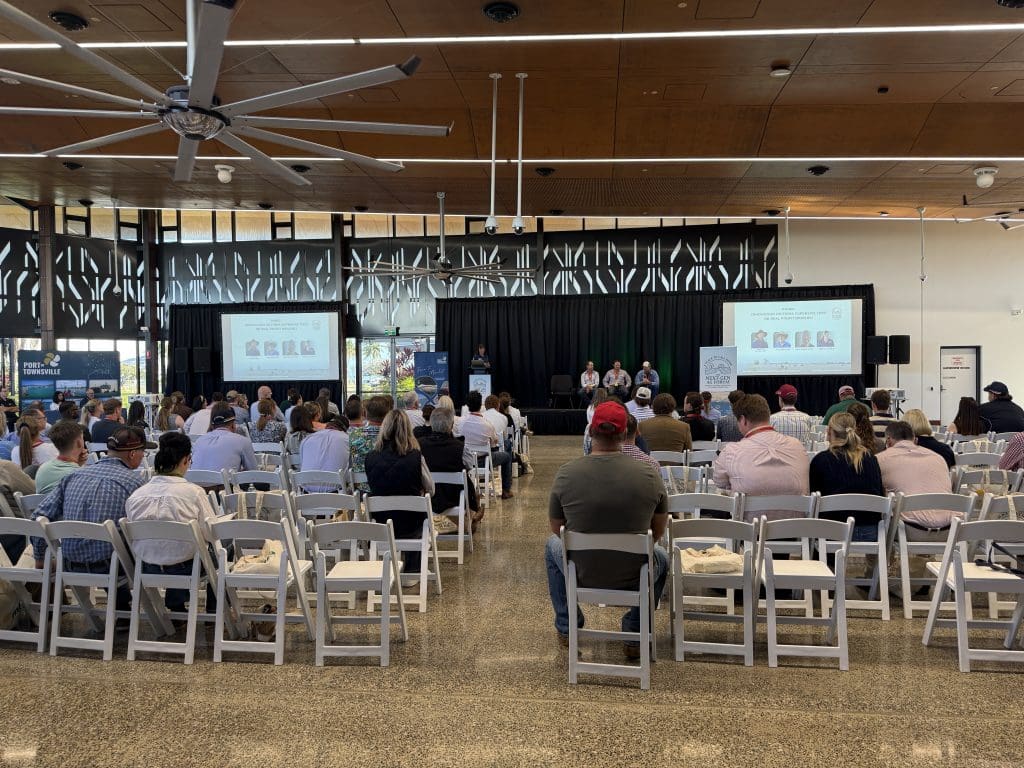
The broader program also tackled many of the issues that influence the decisions producers make every day and over the longer term. Sessions covered succession and building a sustainable family business, rural property and investment, wealth creation, global markets and supply chains, and how export infrastructure connects northern producers to customers. There was also a focus on soil regeneration, providing a mix of practical insights and bigger-picture thinking about the future of agriculture in the north.
The day concluded with speaker Tim Lee sharing his story of discovering regenerative agriculture as part of his own journey of personal healing, bringing a personal perspective to the broader conversation about change and resilience.
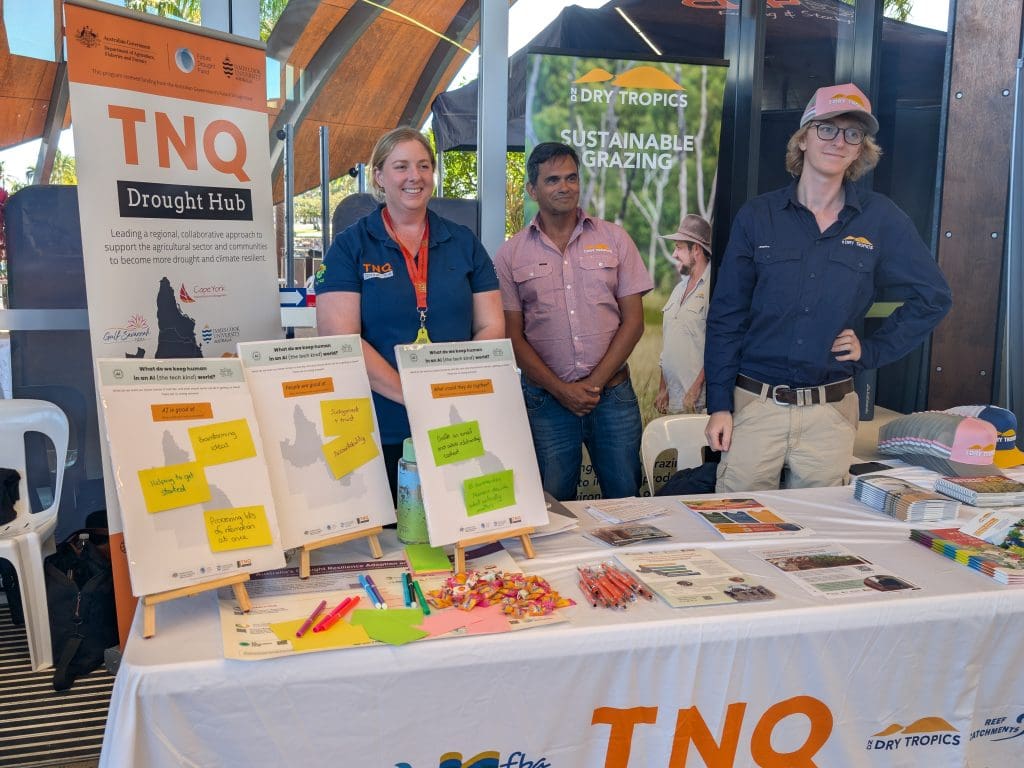
The TNQ Drought Hub also shared a stall with node partner NQ Dry Tropics, providing an opportunity to connect with attendees, showcase regional drought resilience initiatives and highlight the strength of collaboration across the hub network.
The conversations throughout the day reinforced that innovation doesn’t necessarily mean adopting the newest technology. It can be as simple as finding a better way to complete a task, make a decision, manage information or respond to a business challenge.
Hearing directly from other producers can help inform those decisions, providing insight into what technology looks like once it moves beyond the sales pitch and onto the farm.
The forum provided an opportunity to share practical ideas, ask questions and learn from the experiences of others, with knowledge and connections that producers can take back to their own businesses.