

Eat the Invaders showcases how Indigenous knowledge, science and collaboration are strengthening biosecurity and building more resilient landscapes across northern Australia.
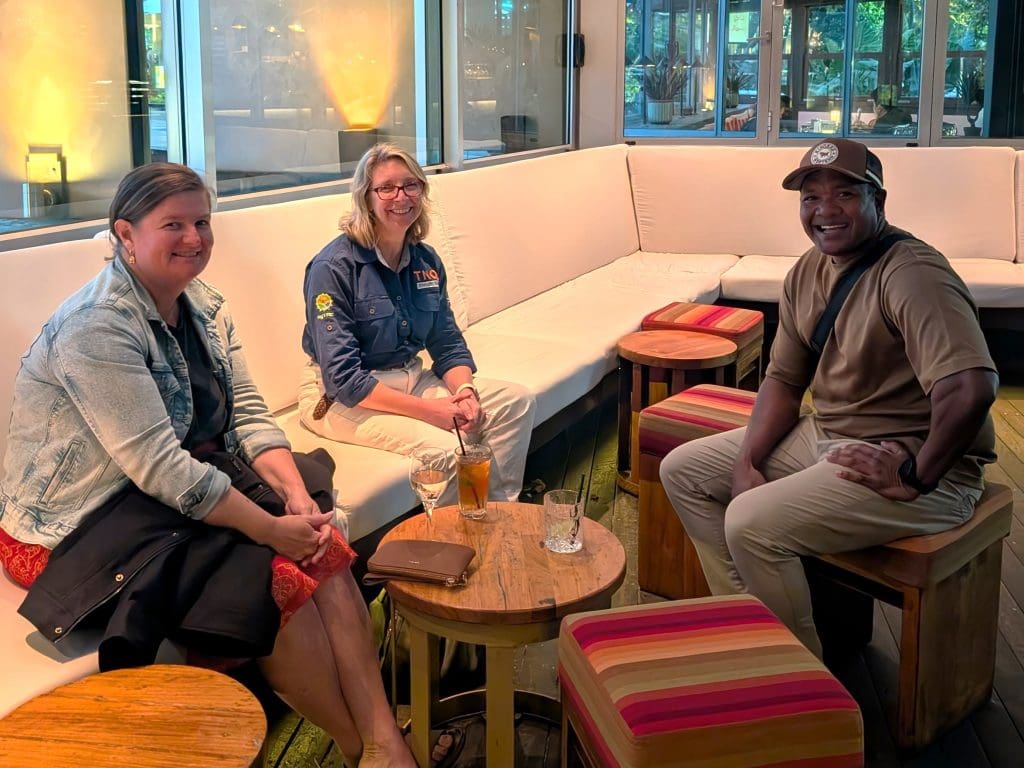
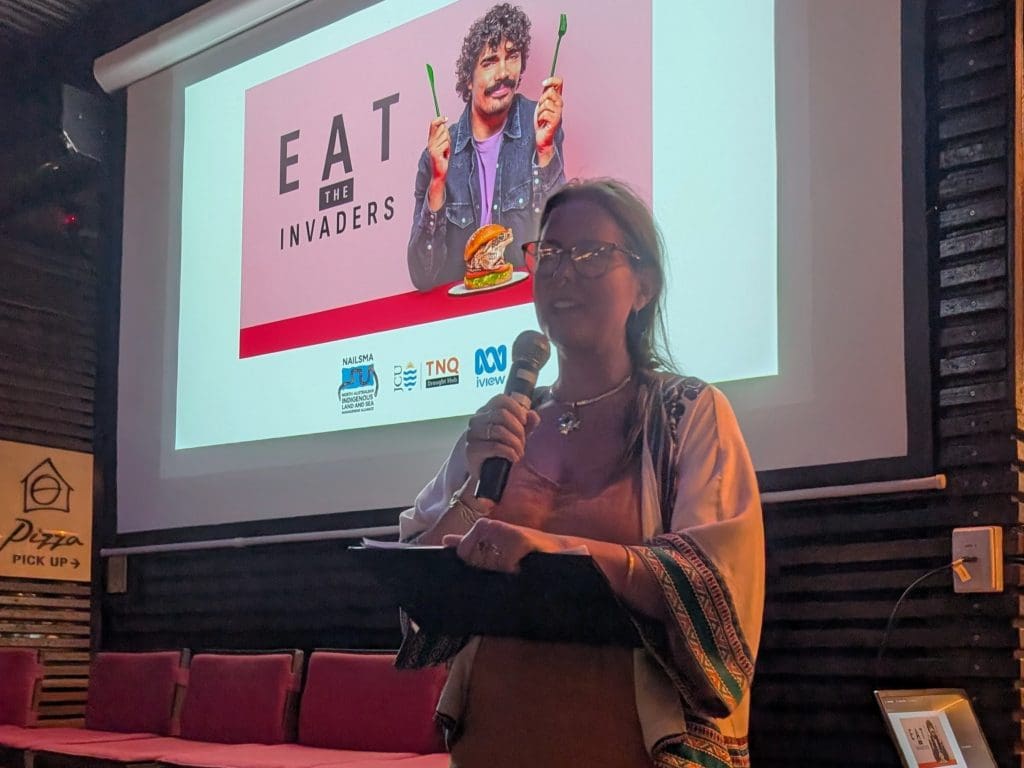
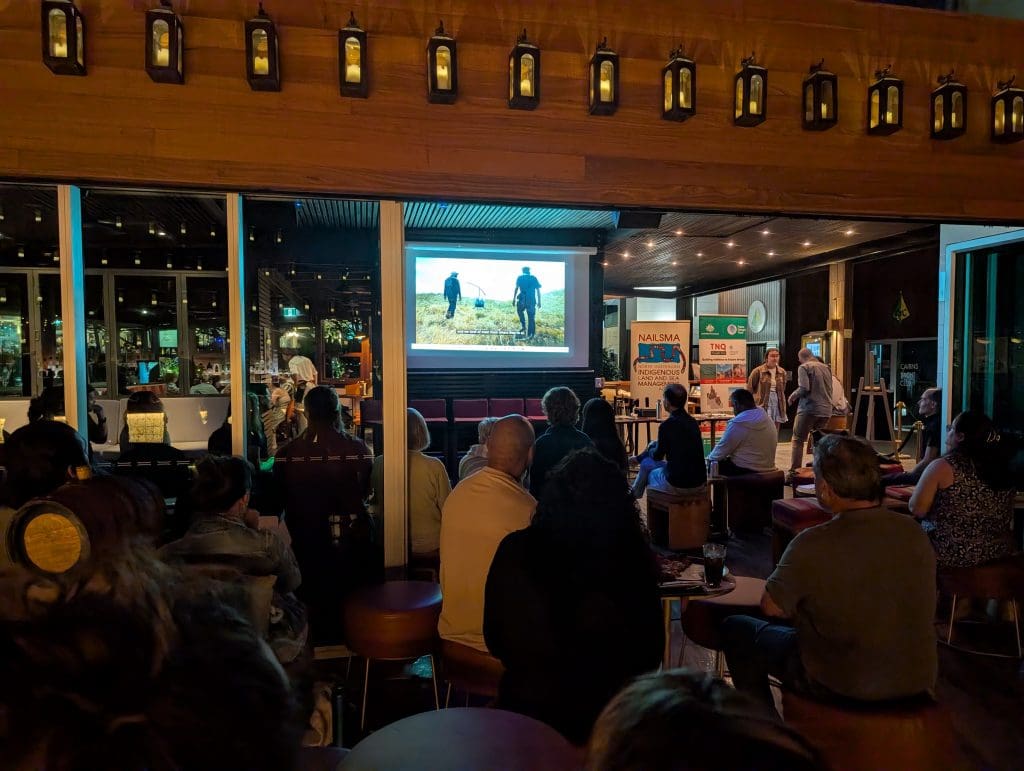
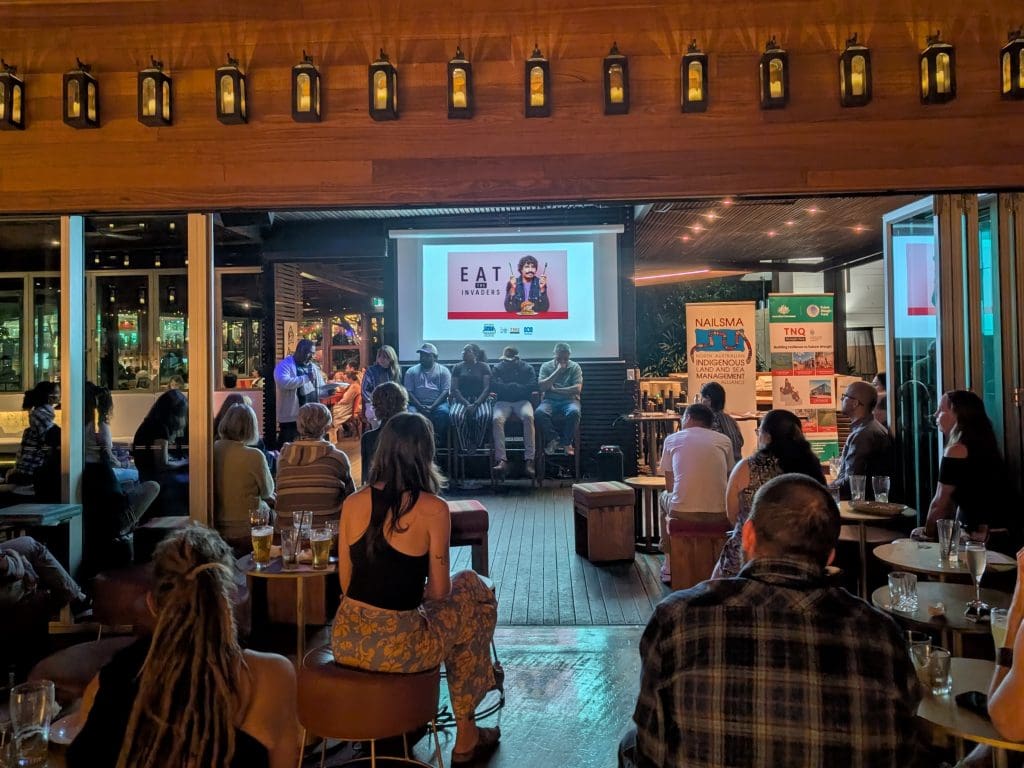
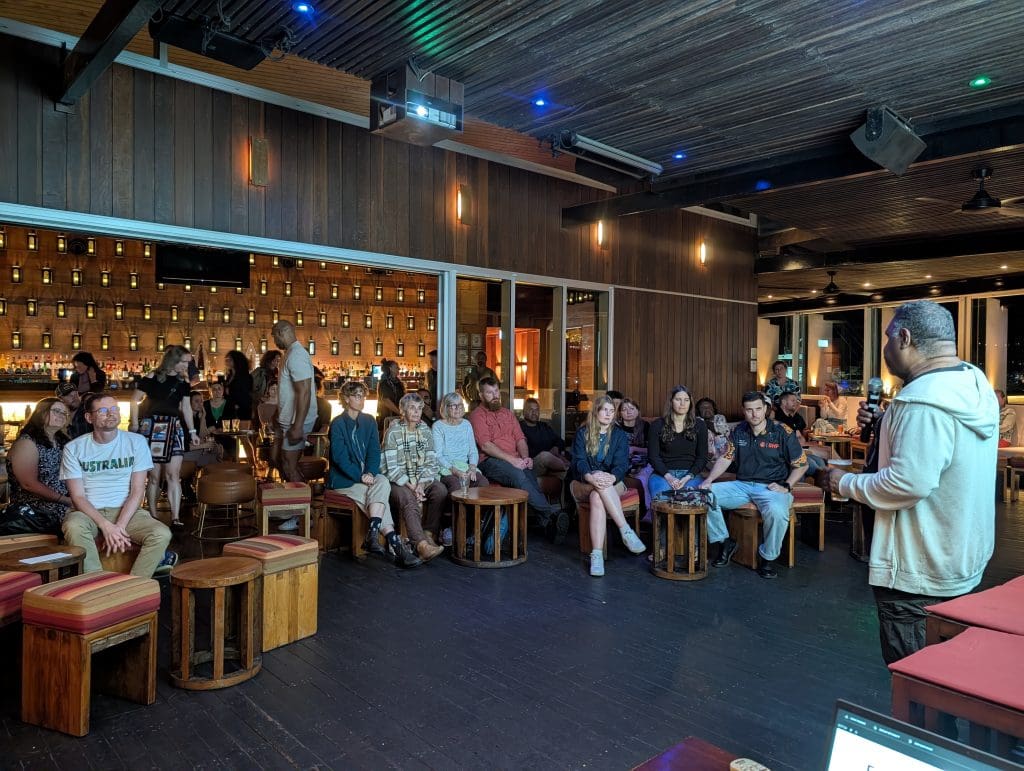
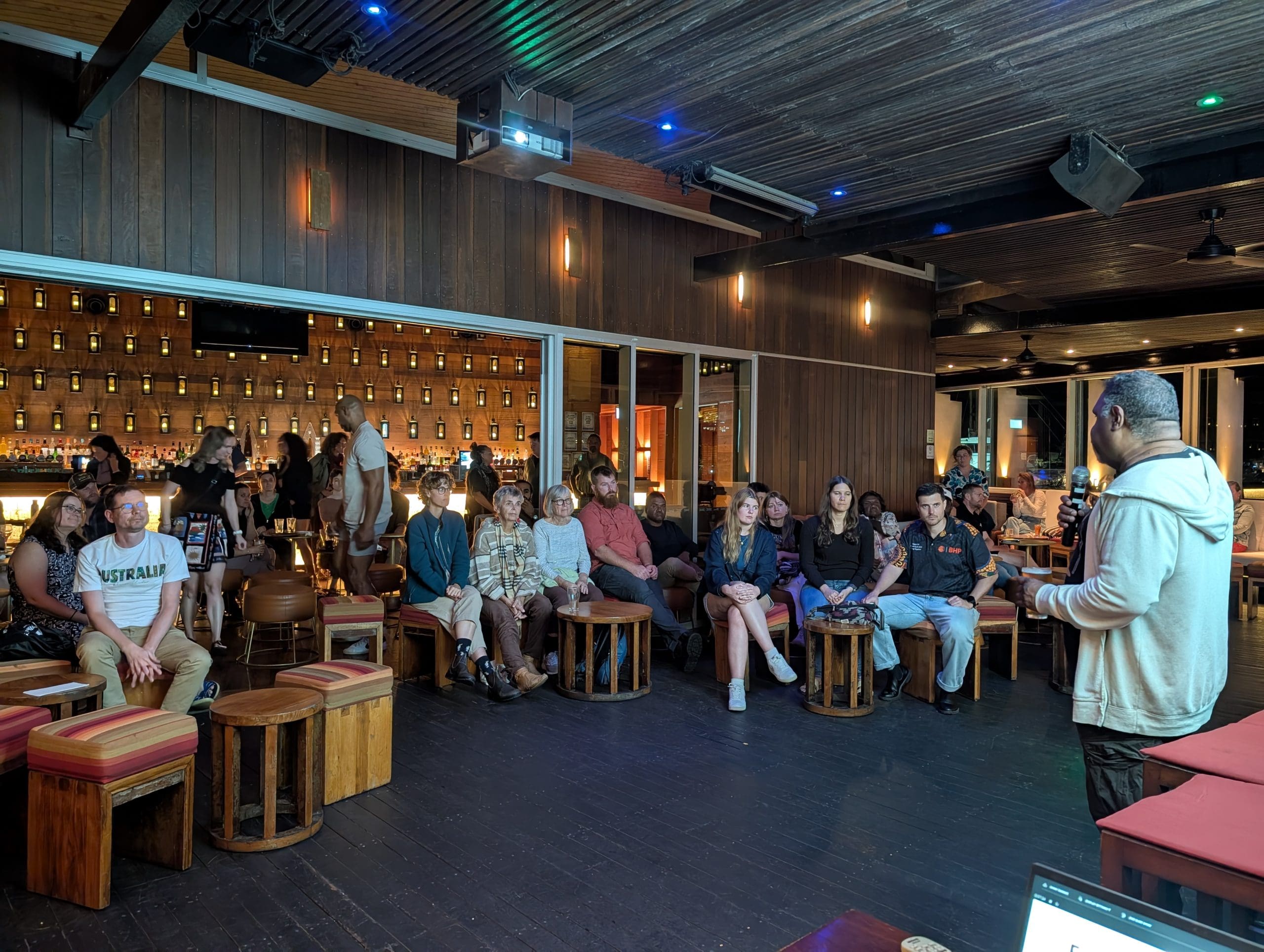
The TNQ Drought Hub’s Sustainable Aboriginal and Torres Strait Islander Enterprise (SATSIE) Program, in collaboration with the North Australian Indigenous Land and Sea Management Alliance (NAILSMA) and the Australian Broadcasting Corporation (ABC), hosted a screening of ABC’s Eat the Invaders at the Salt House in Cairns in late July. The event marks the third collaboration between the three organisations, reflecting their shared commitment to Indigenous-led land and sea management and strengthening resilience across northern Australia.
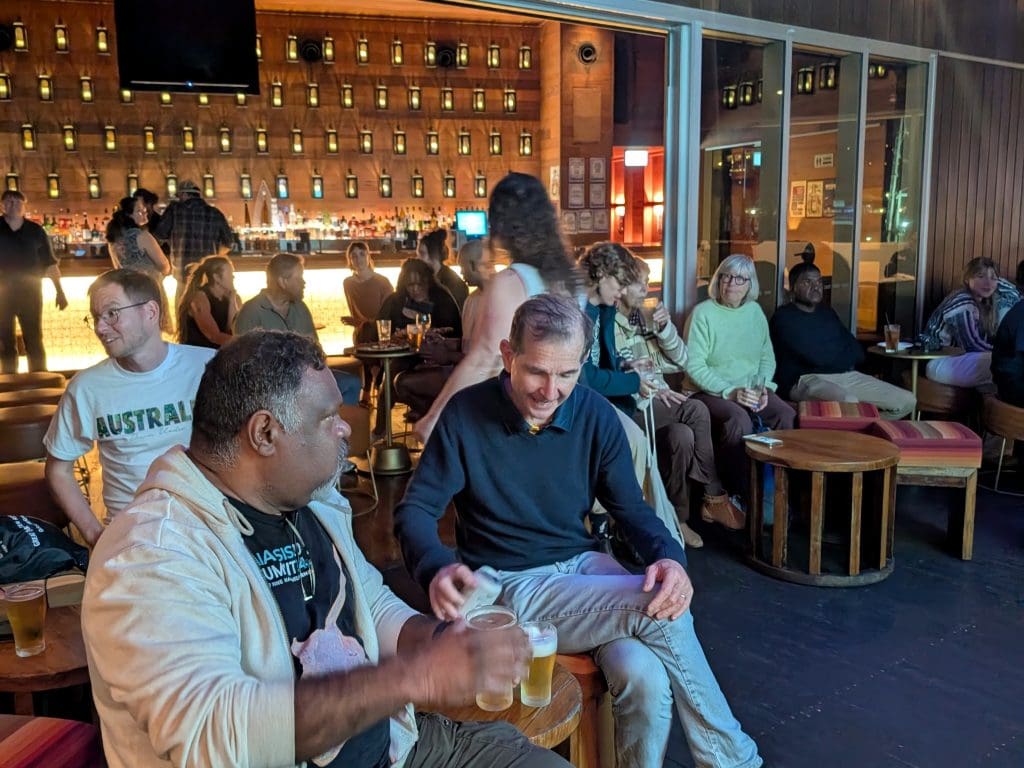
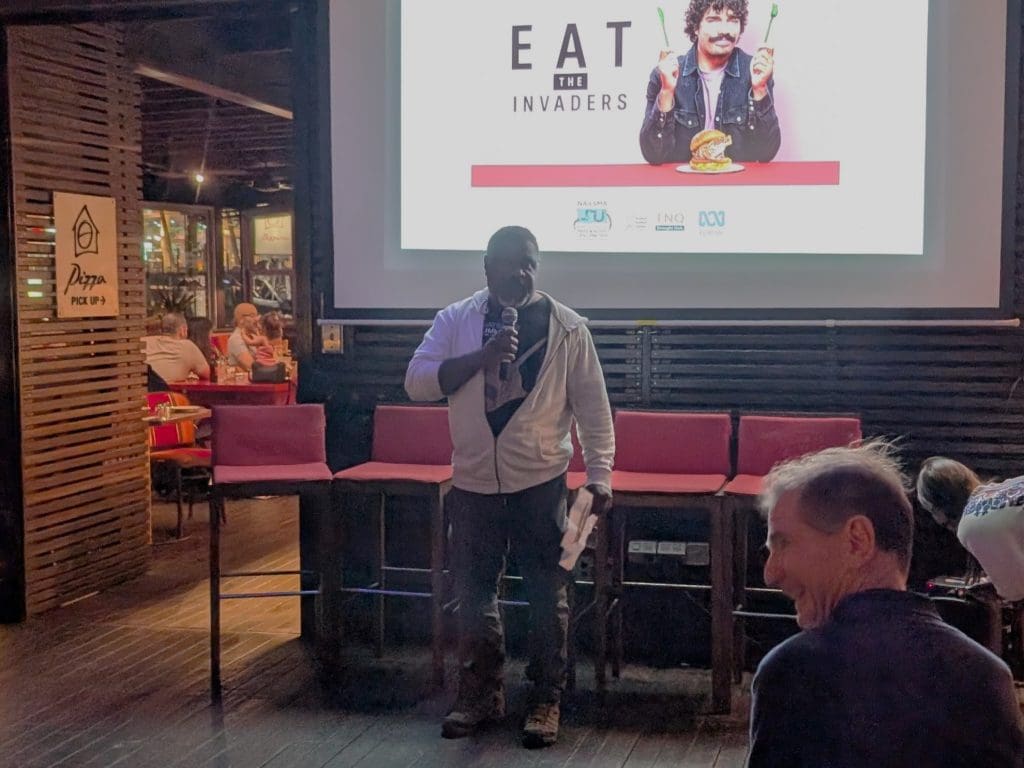
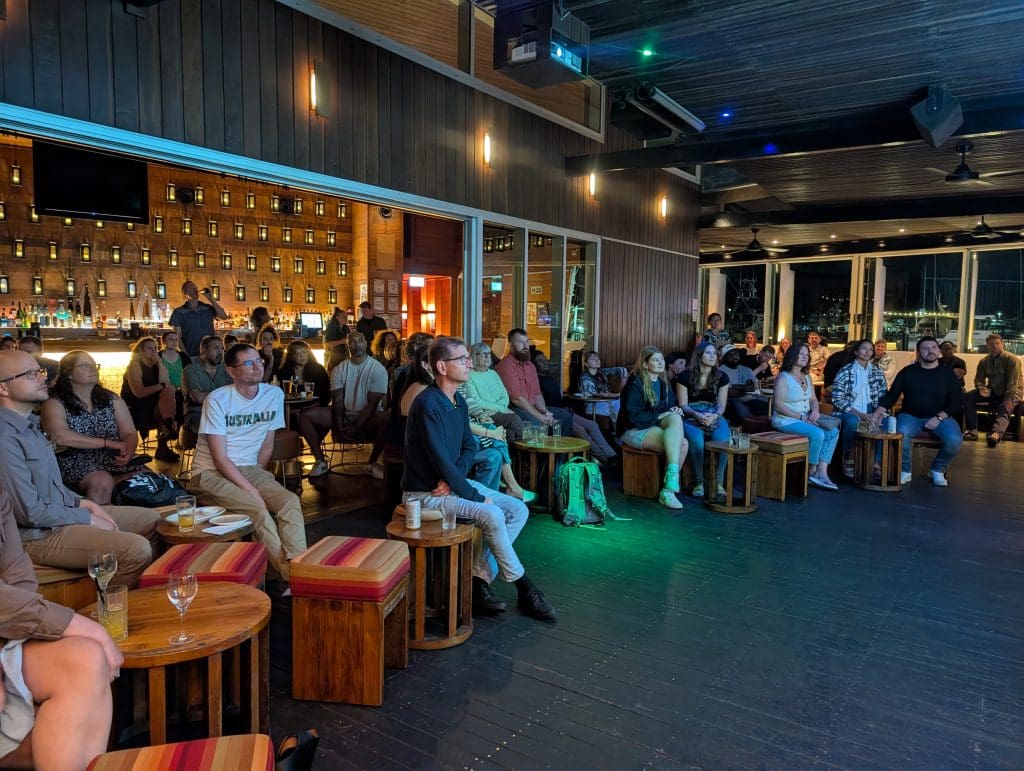
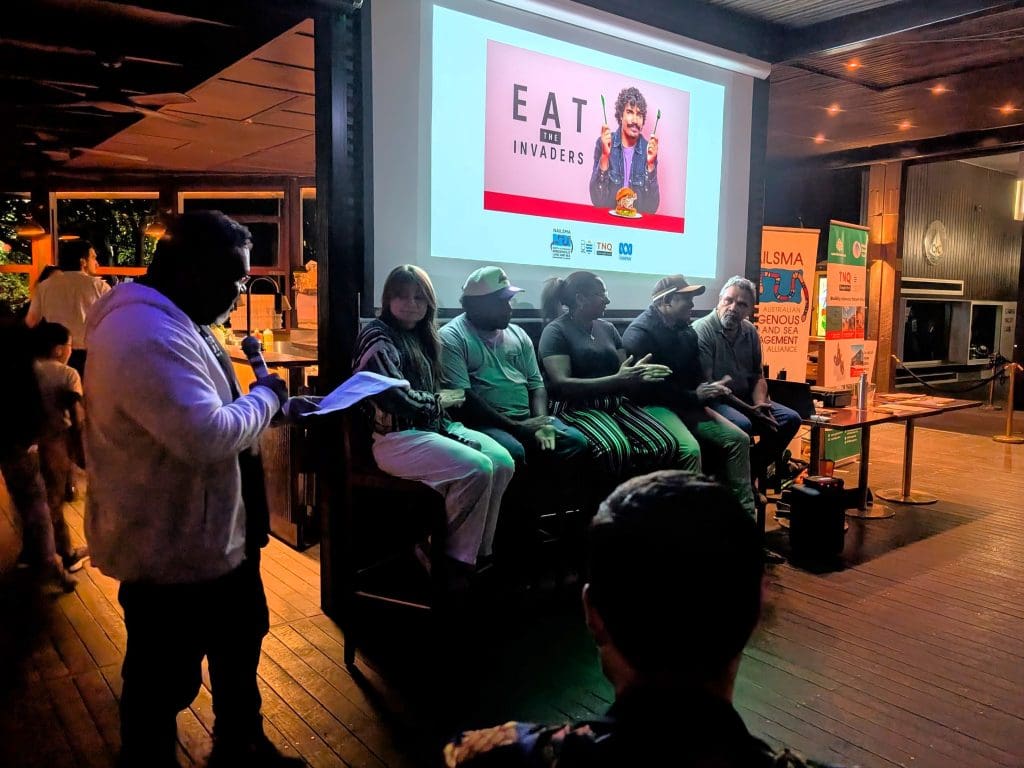
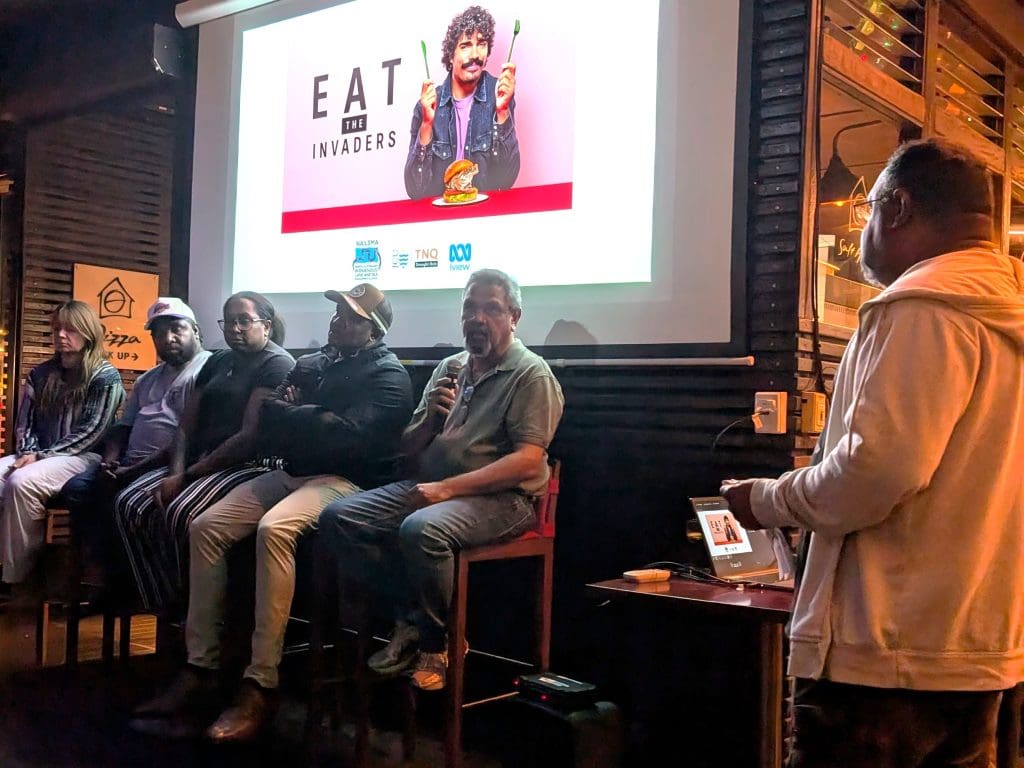
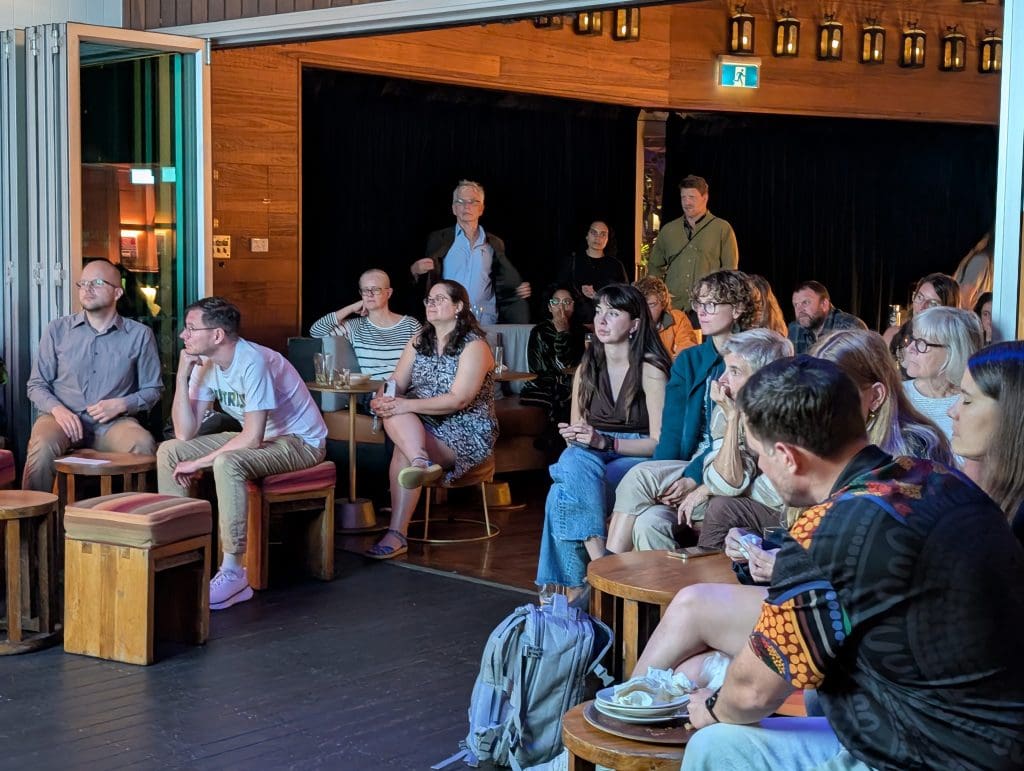
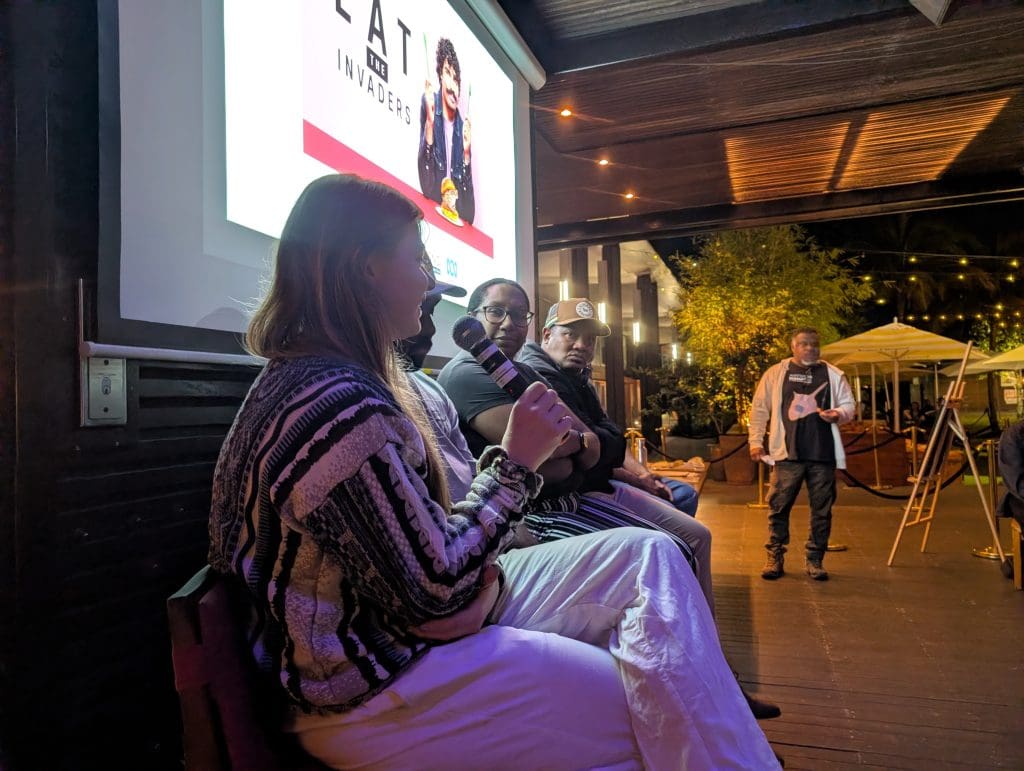
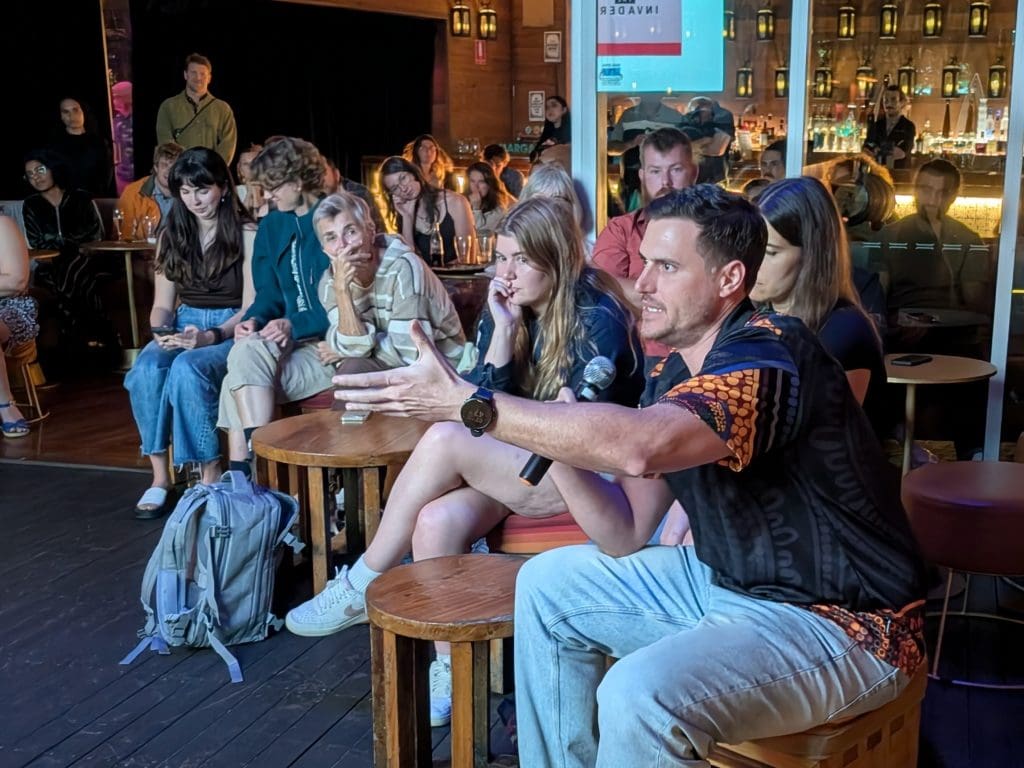
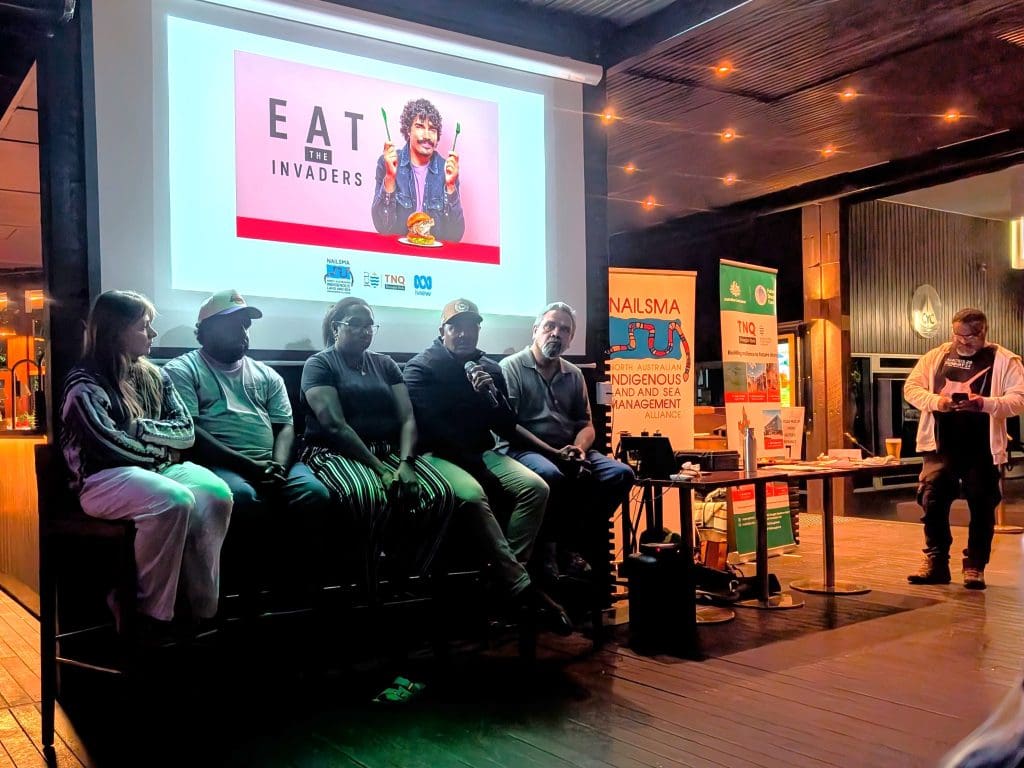
Bringing together over 80 Indigenous rangers, Traditional Owners, researchers, producers, land managers and community members, the evening explored the impacts of invasive species on Country and the innovative approaches being used to manage them. NAILSMA Chief Executive Officer Barry Hunter moderated this screening and the panel discussion featuring Indigenous rangers and researchers from across northern Australia.
Panellists included Thaine Mills, a First Nations Engagement Officer from the Torres Strait who works to strengthen community partnerships and biosecurity capability; Tanya Anau, a Mura Buway Ranger from Saibai Island who uses innovative monitoring technologies to protect culturally and environmentally significant places; Tony Mitchell, a Wik Mungkan Traditional Owner and First Nations Engagement & Partnership Lead at Cape York NRM, who brings extensive experience connecting Traditional Owners, ranger groups, landholders and government to deliver landscape-scale biosecurity outcomes; Elliot Hunter, a Nyangumarta Ranger from Western Australia, who manages invasive species across more than 28,000 square kilometres of Indigenous Protected Area; and Linda Harper, a PhD candidate whose research with the Nyangumarta Rangers explores the ecological and cultural importance of dingoes and their interactions with invasive predators.
The discussion explored how Indigenous ranger groups are combining Traditional Ecological Knowledge with contemporary science and technology to manage invasive species, protect biodiversity and care for Country. Panellists also highlighted the value of partnerships between Traditional Owners, researchers, landholders and government in delivering effective, landscape-scale biosecurity outcomes.
For the TNQ Drought Hub, the event reflects its commitment to connecting research with on-ground practice and supporting partnerships that strengthen resilience across northern Australia. By bringing together Indigenous rangers, researchers, producers and communities, the hub helps foster knowledge exchange and practical, locally led solutions to shared environmental challenges.