


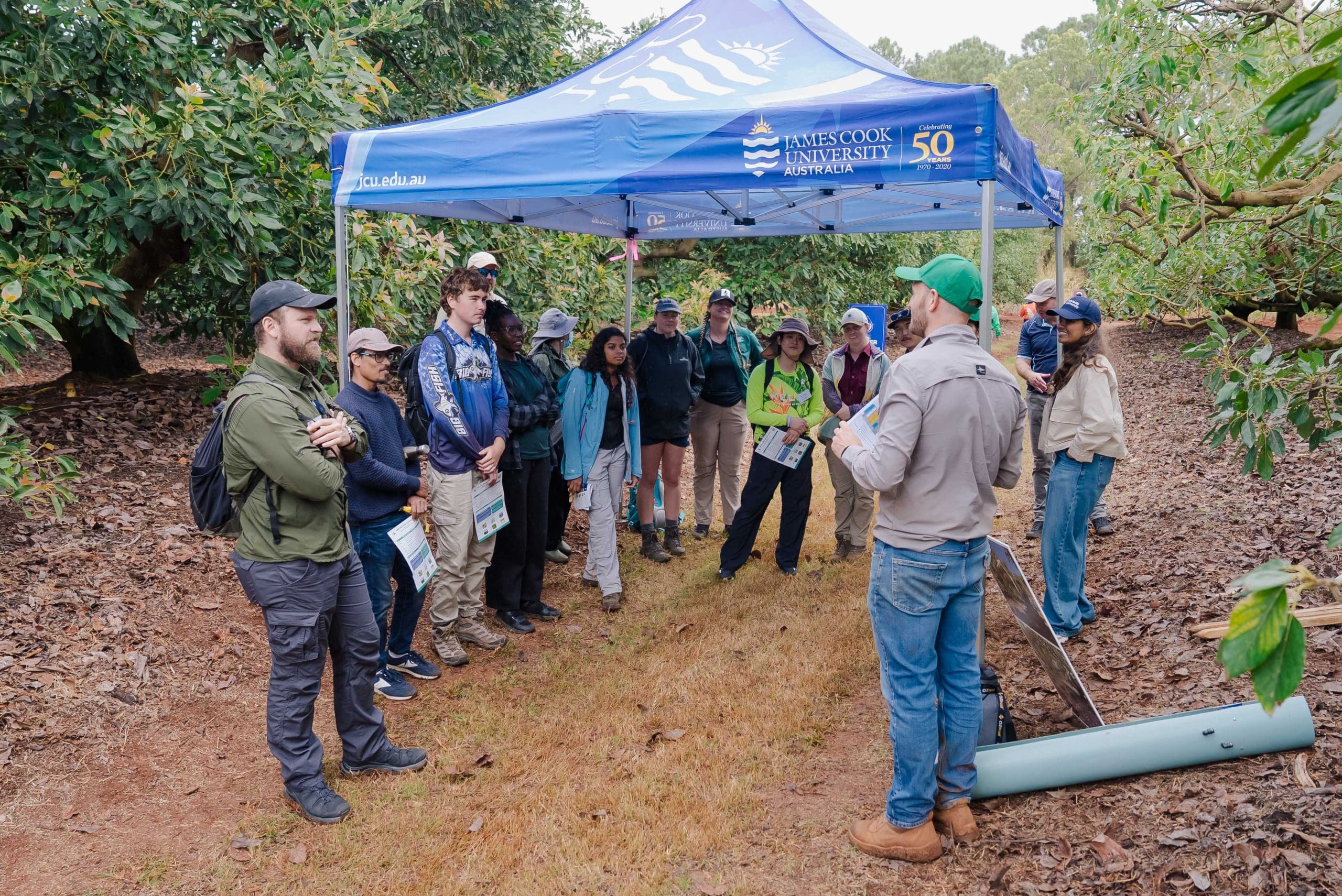
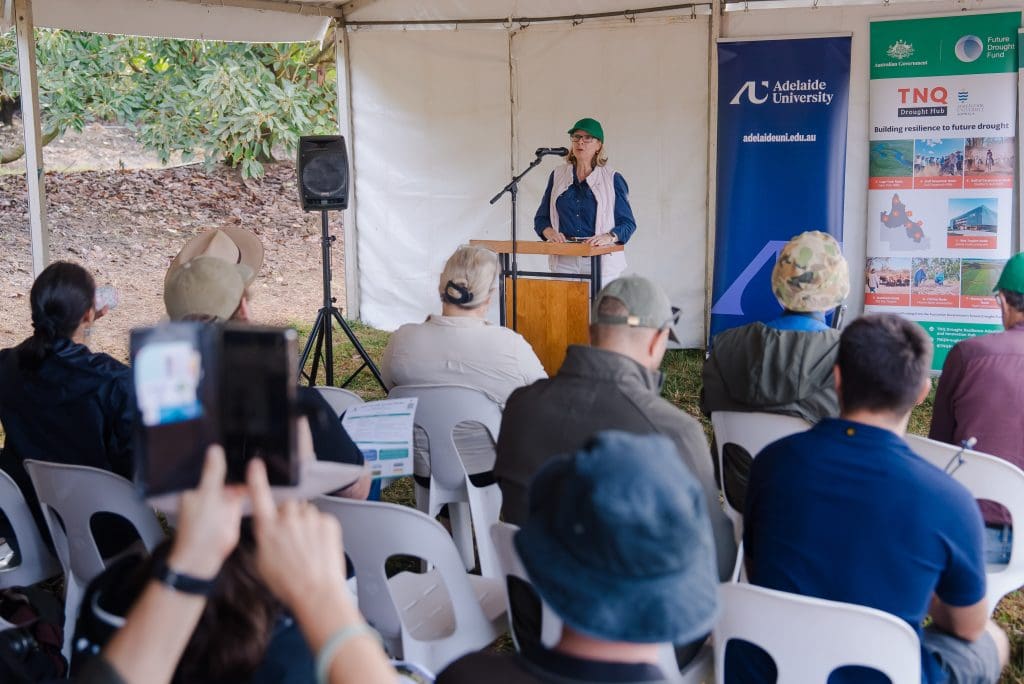
More than 100 researchers, producers, industry representatives and government stakeholders came together across Cairns and Mareeba last week for Australia’s first Enhanced Rock Weathering (ERW) Research in Australia and New Zealand Symposium and Field Day.
Hosted by James Cook University, the two-day event showcased the latest developments in ERW, an emerging practice investigating whether applying crushed basalt to agricultural soils can improve soil health while accelerating a naturally occurring process that removes carbon dioxide from the atmosphere.
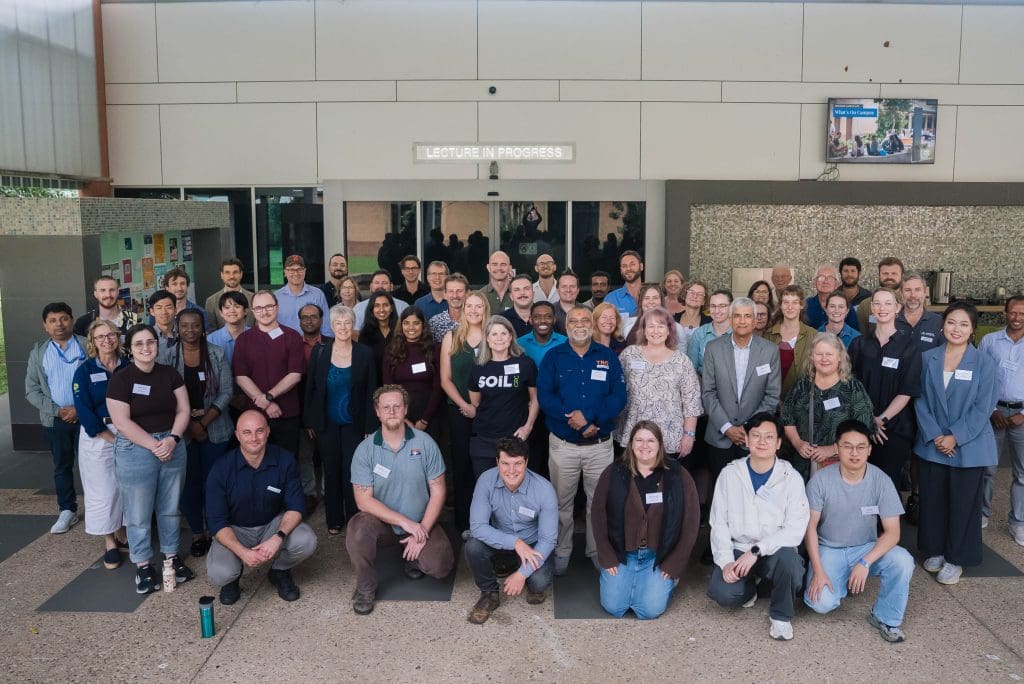
For the Tropical North Queensland Drought Resilience Adoption and Innovation Hub, the event represented more than sharing the latest research. It highlighted the importance of connecting researchers, producers and industry to turn emerging science into practical conversations and on-farm learning.
Researchers shared early findings from trials being conducted across a range of climates, soil types and farming systems, while producers and industry representatives discussed the practical opportunities, challenges and future potential of the technology.
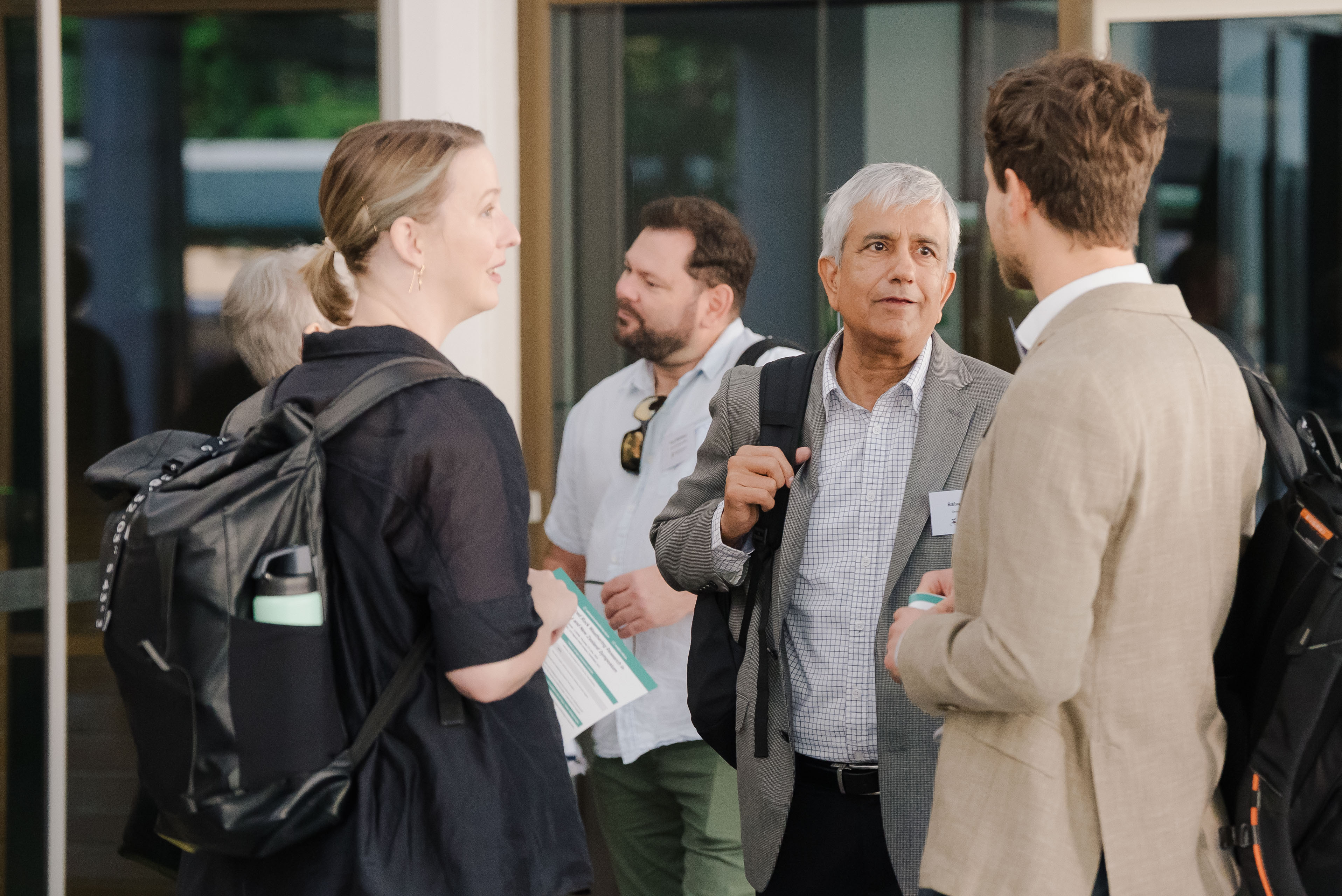
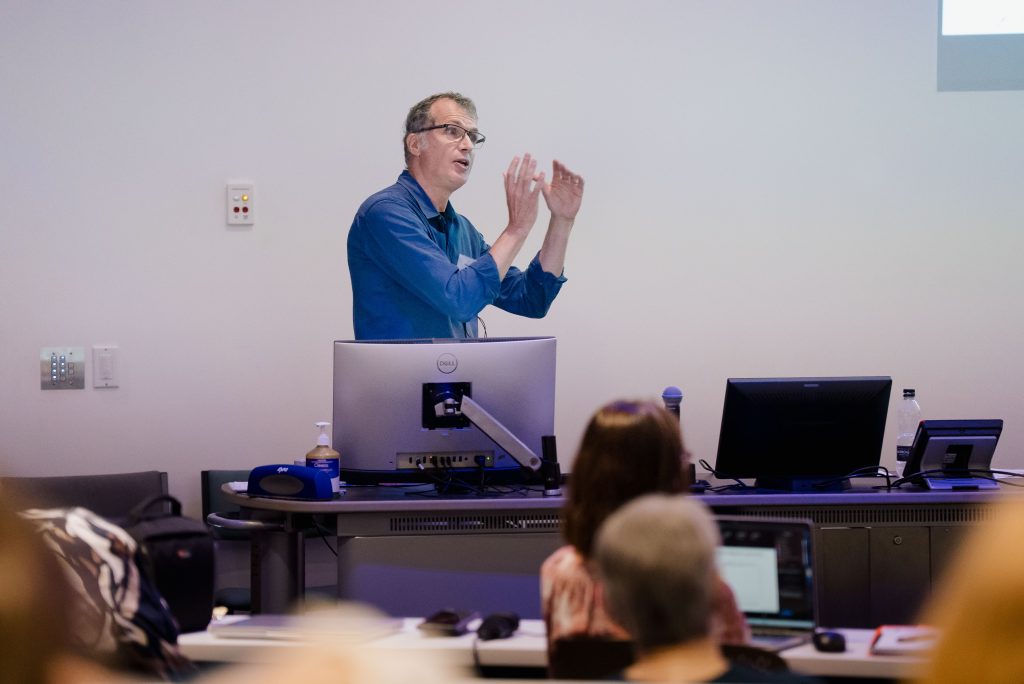
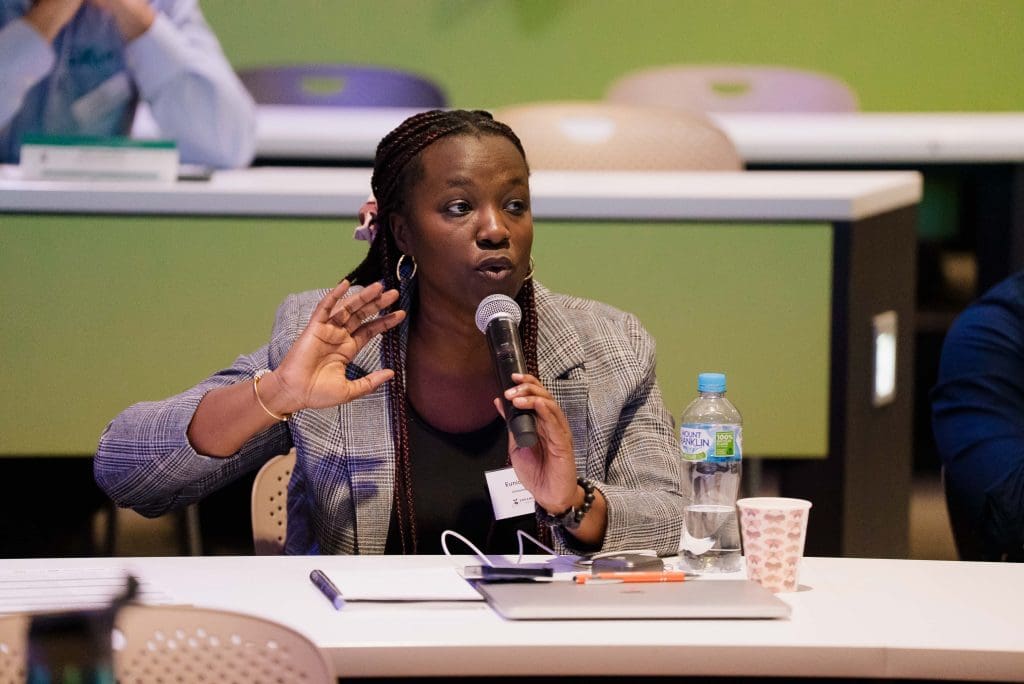
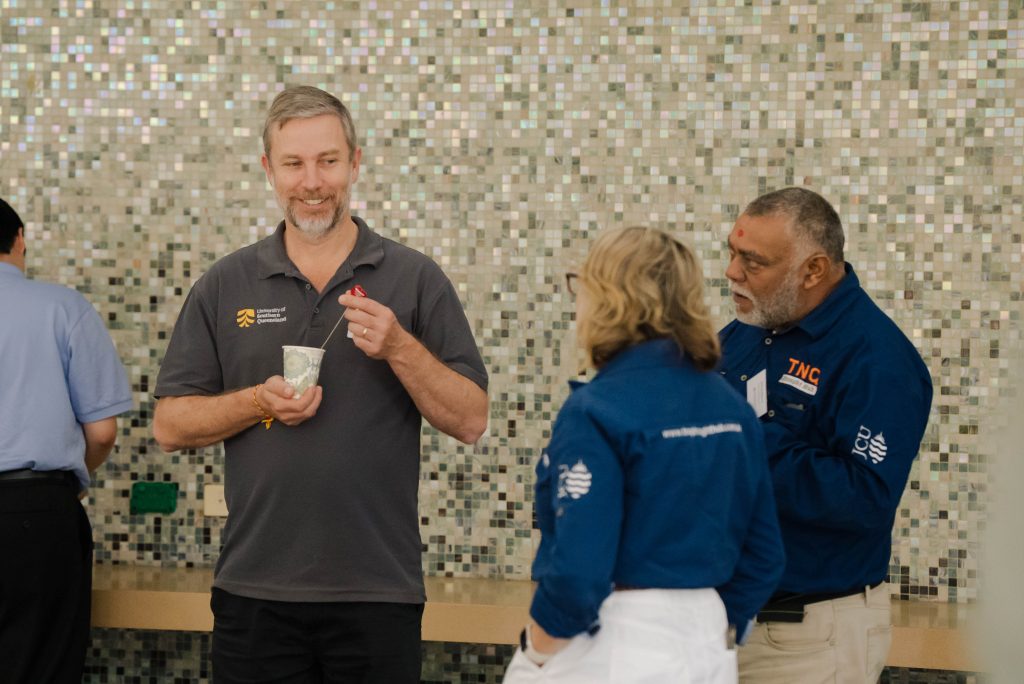
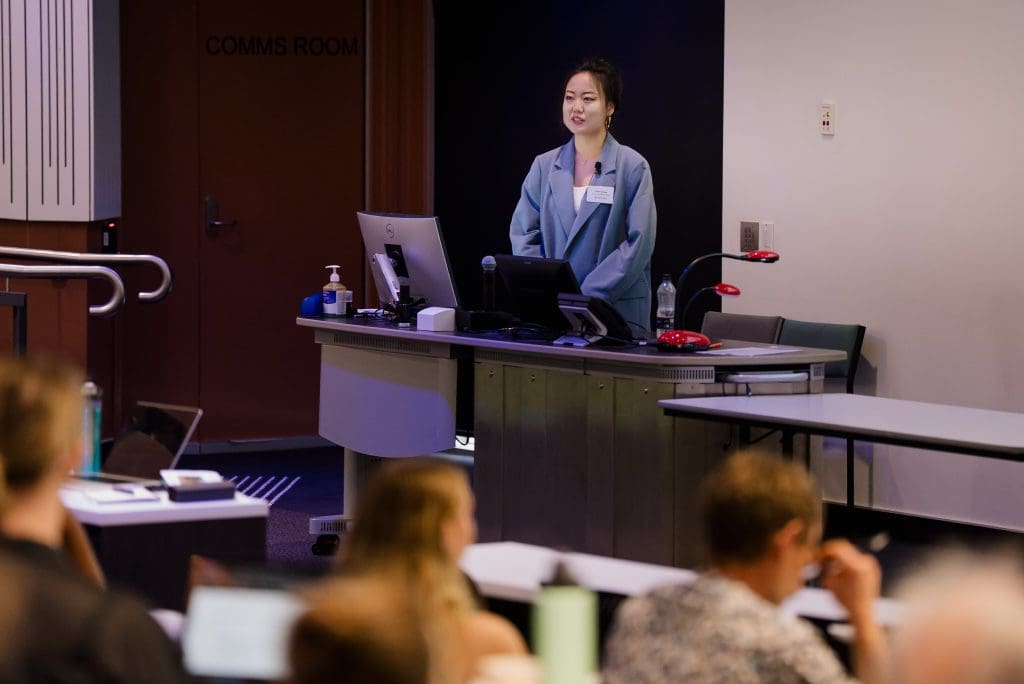
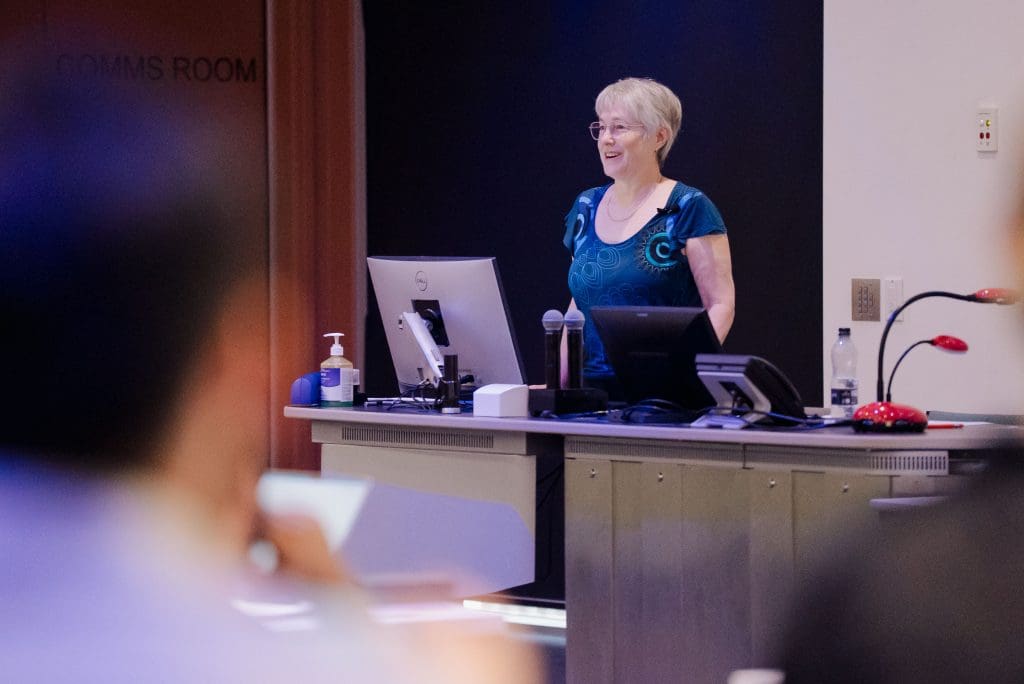
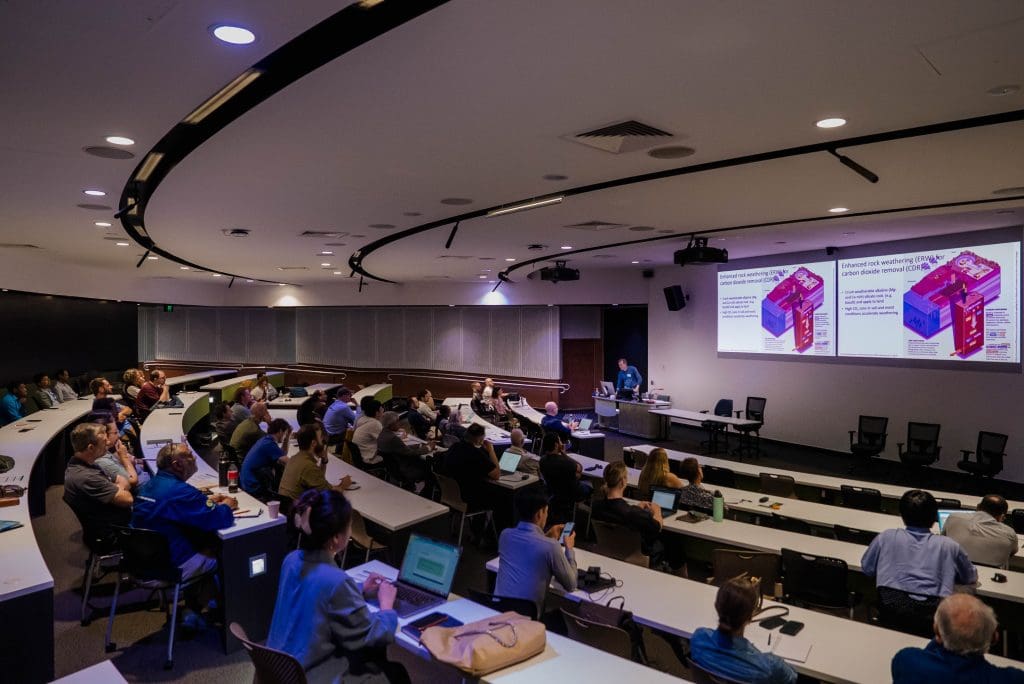
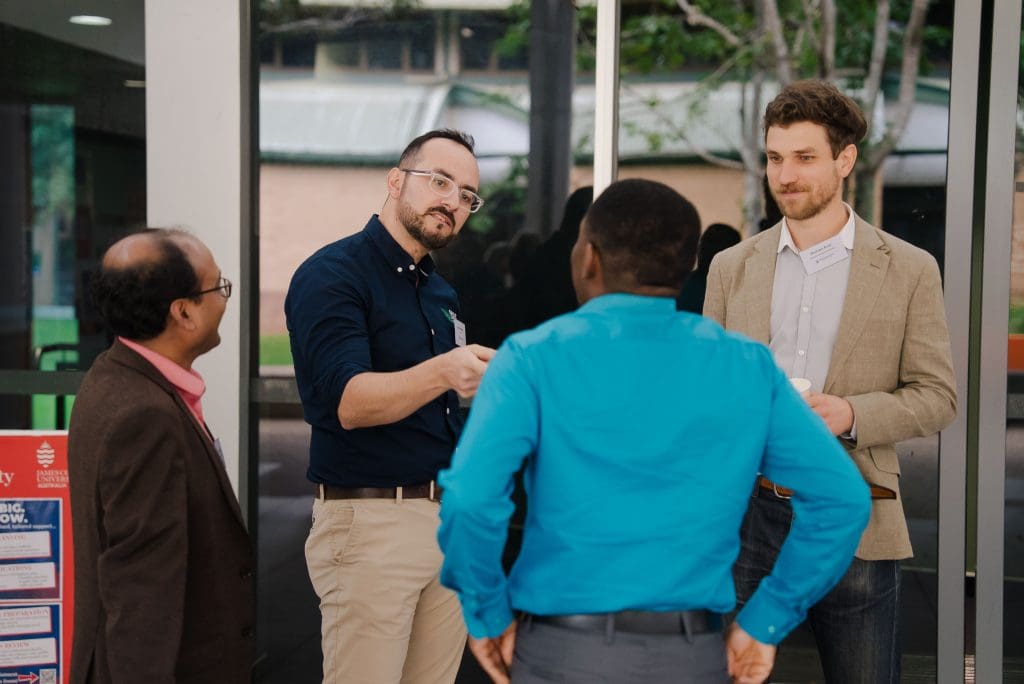
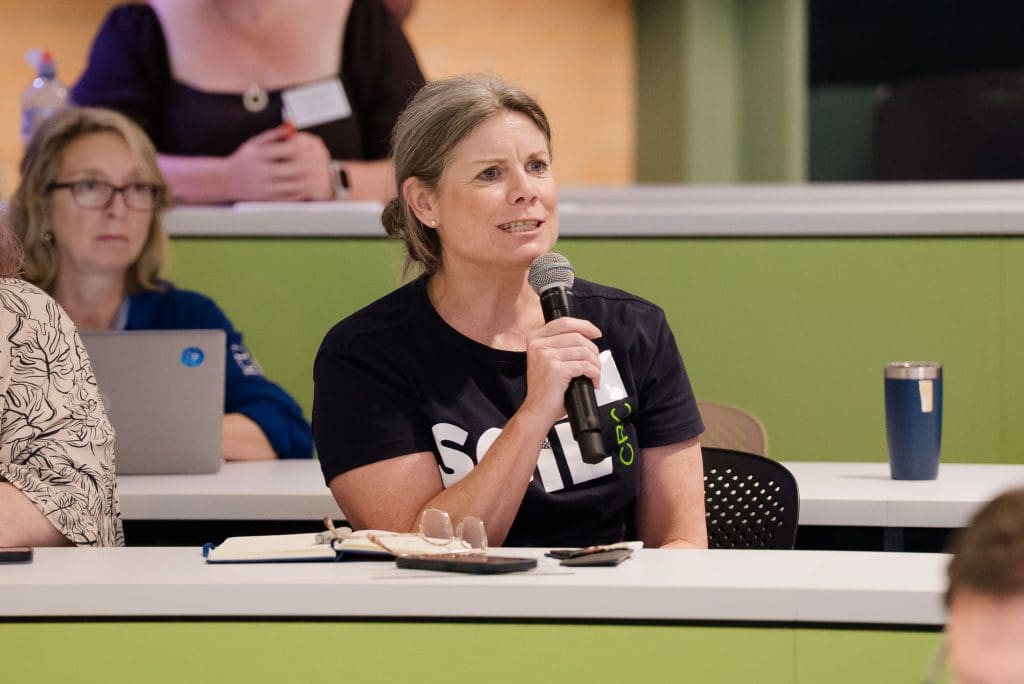
A key feature of the week was bringing together several Australian Government-supported initiatives, including the Regional Soil Coordinators (RSC), Sustainable Agriculture Facilitators, Soil Science Australia, soil science graduates and industry representatives. By connecting these groups with researchers and producers, participants gained a broader understanding of both the science behind ERW and the diverse farming systems, soils and climate challenges unique to tropical north Queensland.
TNQ Drought Hub Knowledge Broker Karen George said the collaborative approach created opportunities that would not have happened otherwise.
“Bringing people together created conversations that simply wouldn’t have happened if everyone stayed in their own programs. Everyone brought a different perspective, and that’s where some of the most valuable learning happened.”
The RSCs, Soil Science Australia representatives and soil science graduates spent several days exploring the region before the symposium, visiting different farming systems and learning about the diverse soils and climate challenges unique to northern Australia. The experience helped provide important context before discussions turned to Enhanced Rock Weathering.
“They had to see it for themselves,” Karen said. “The diversity of our soils, farming systems, industries and climate pressures was a real eye opener. They came away with a much broader understanding of northern Australia’s challenges, but also the resilience and innovation that exists here.”
The field day gave participants the opportunity to visit one of the projects commercial avocado trial site, turning an emerging concept into something producers could see in practice.
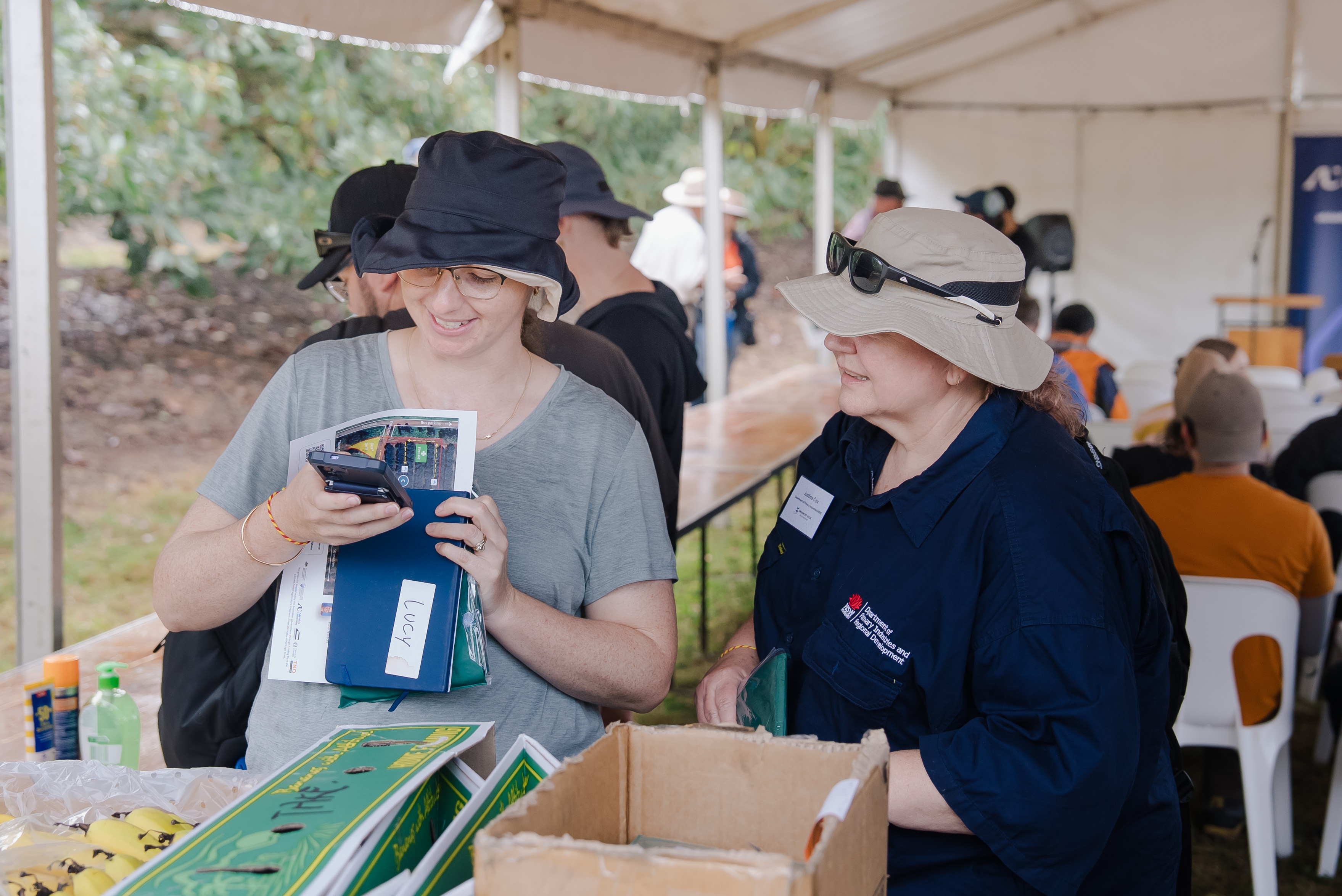
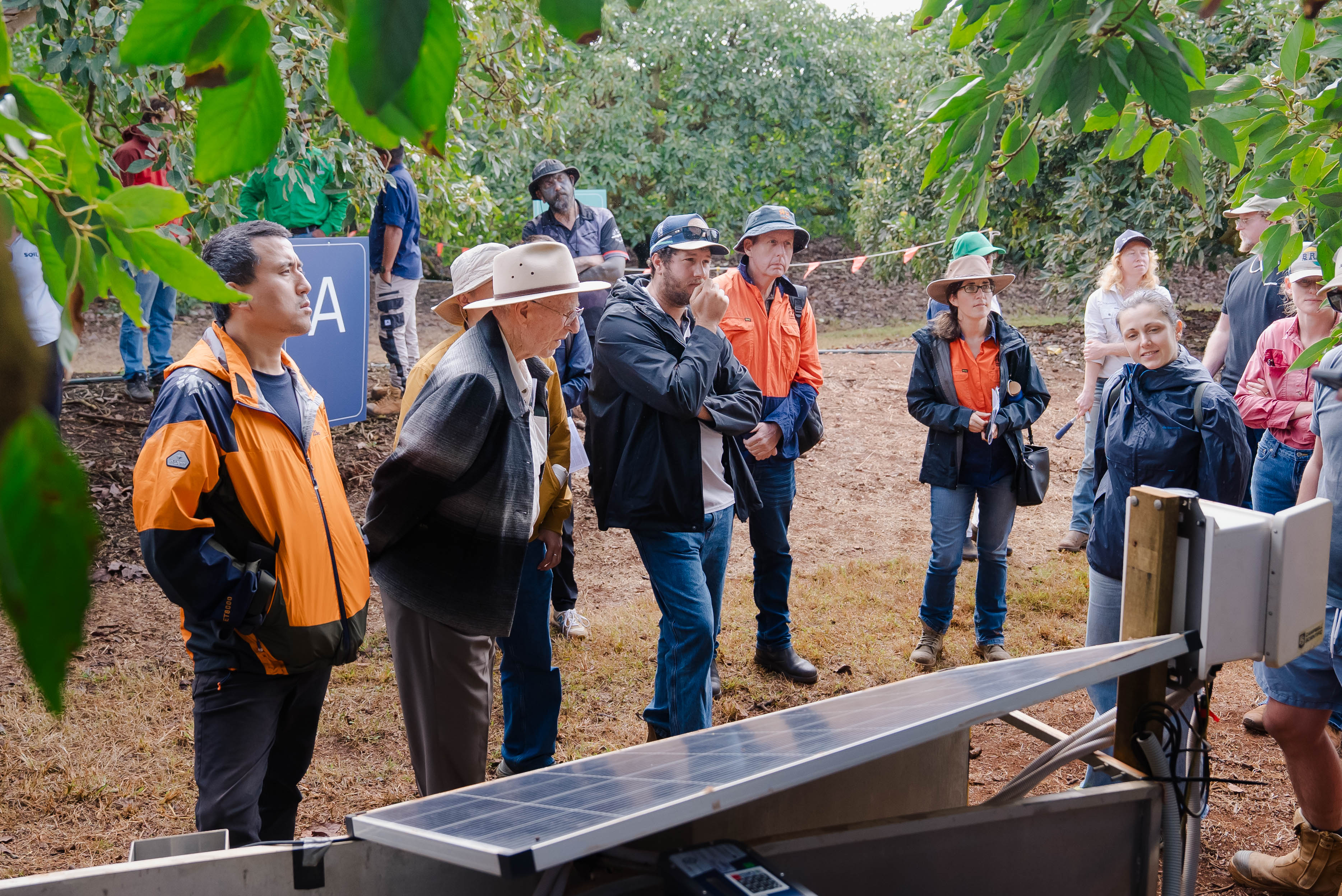
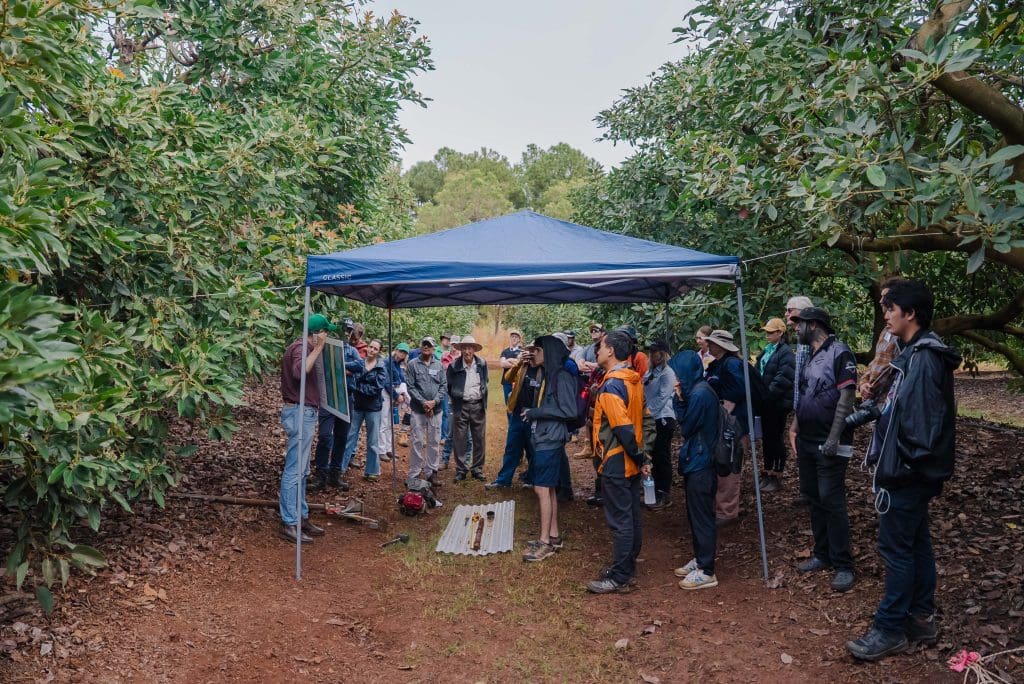
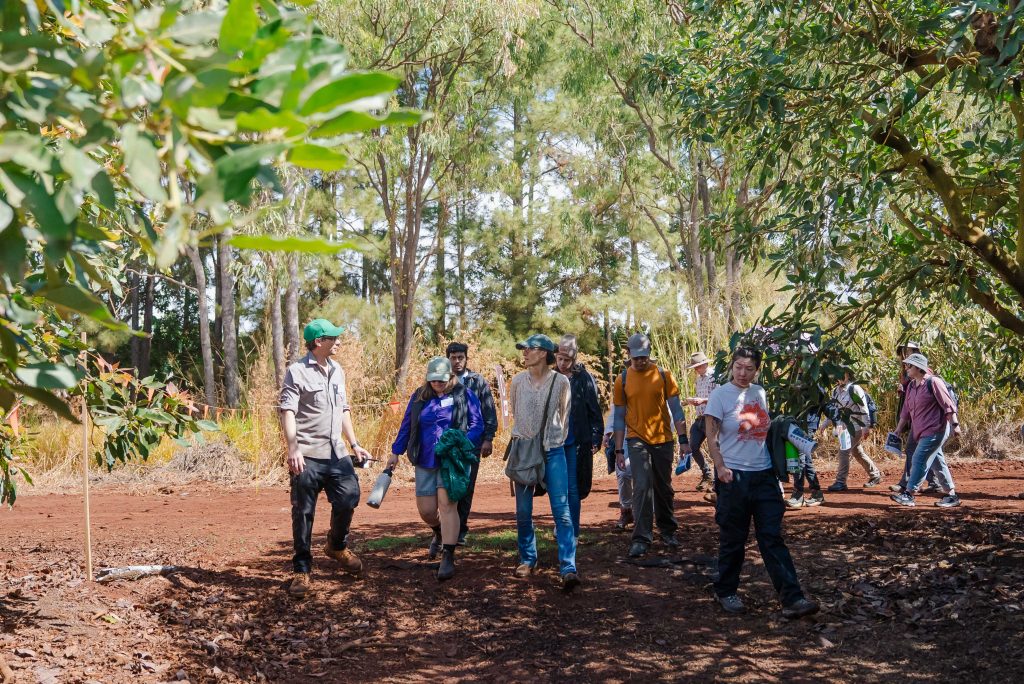
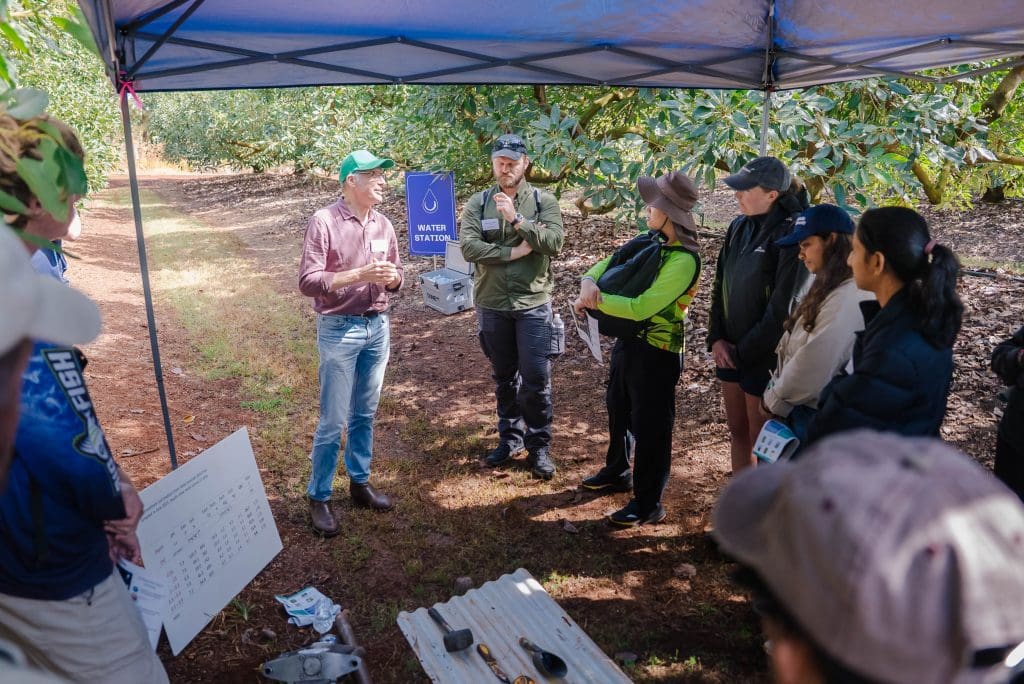
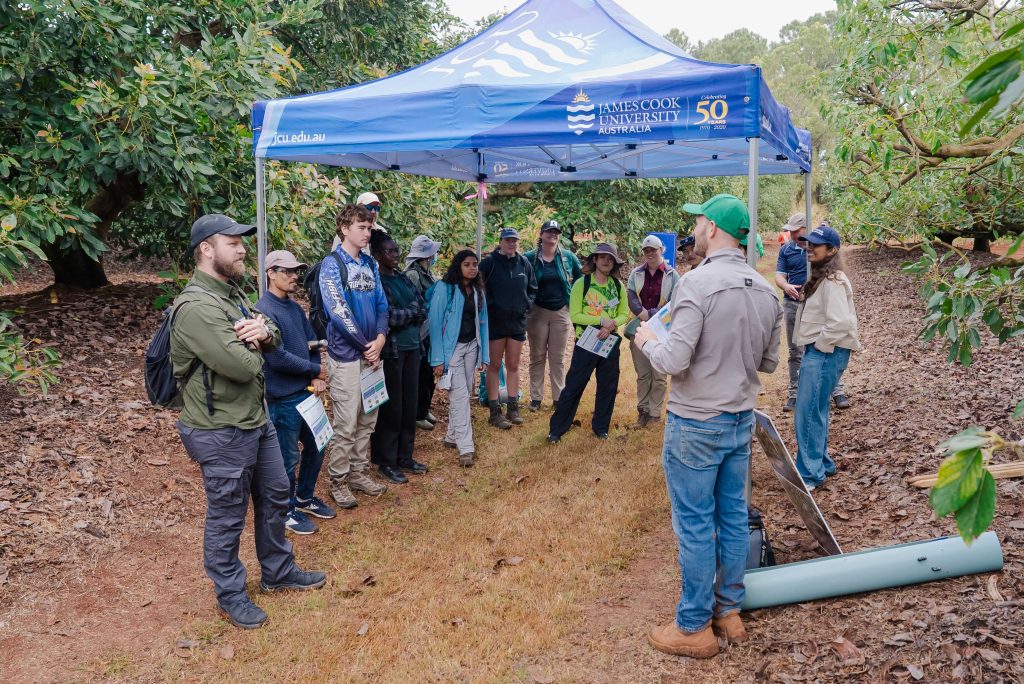
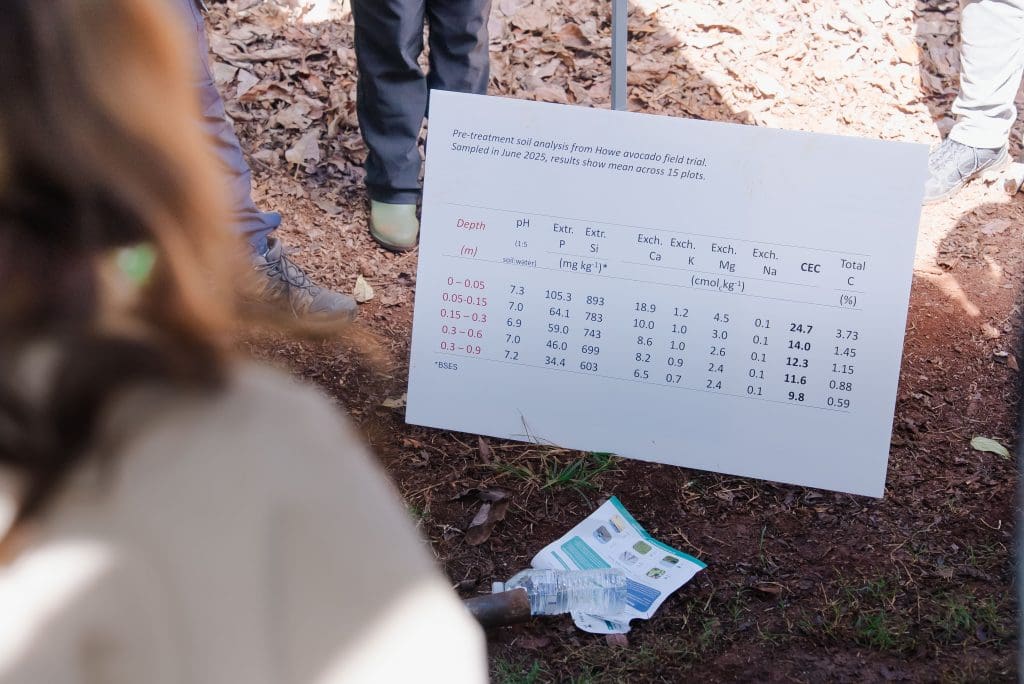
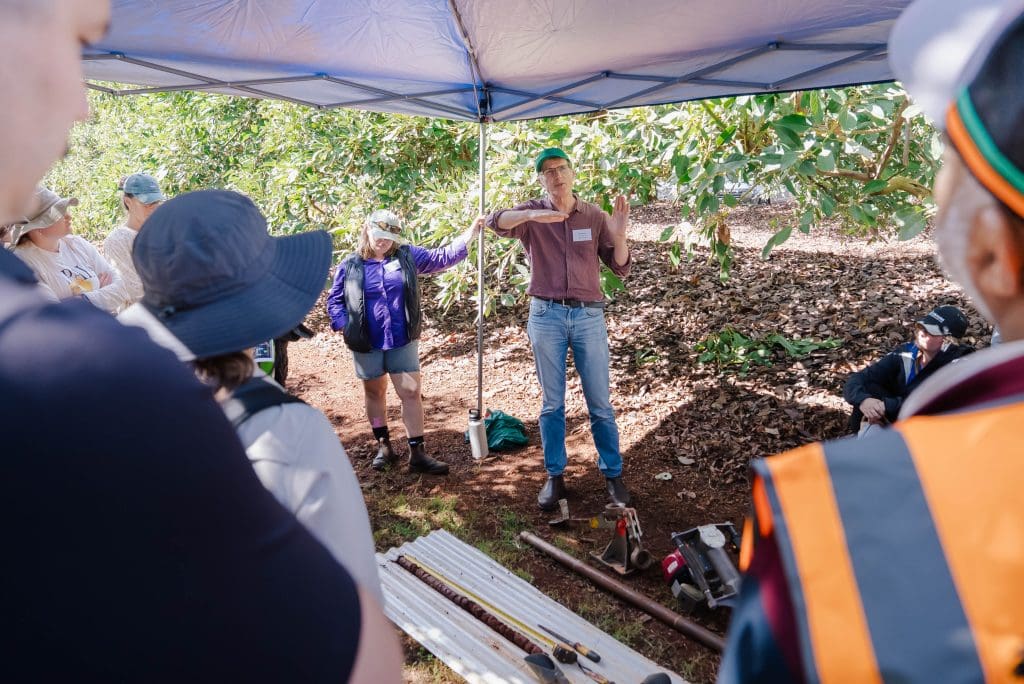
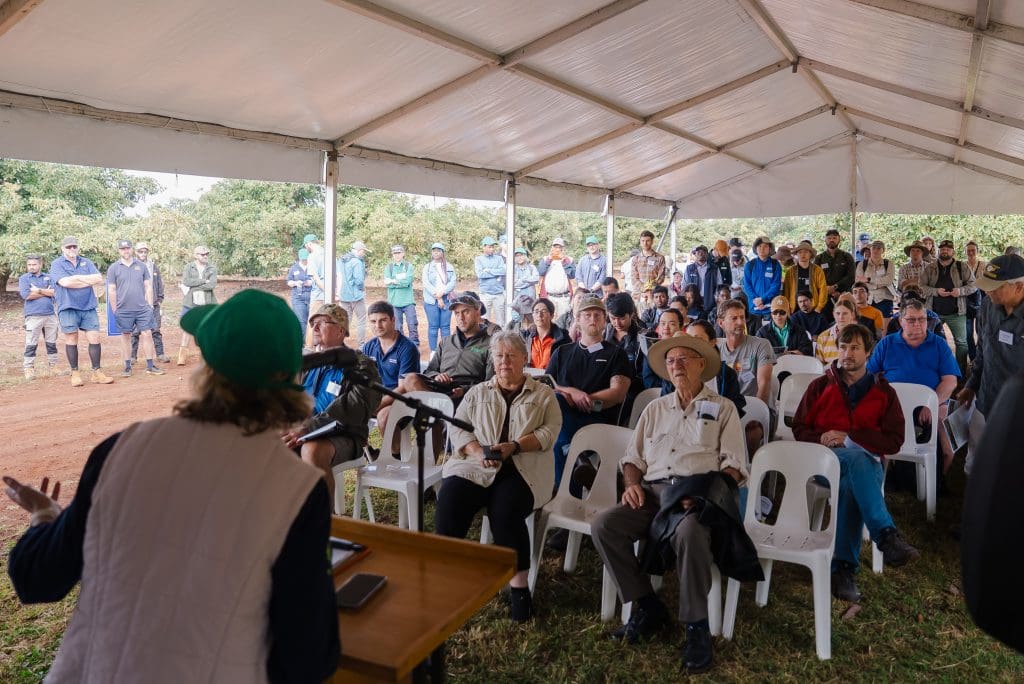
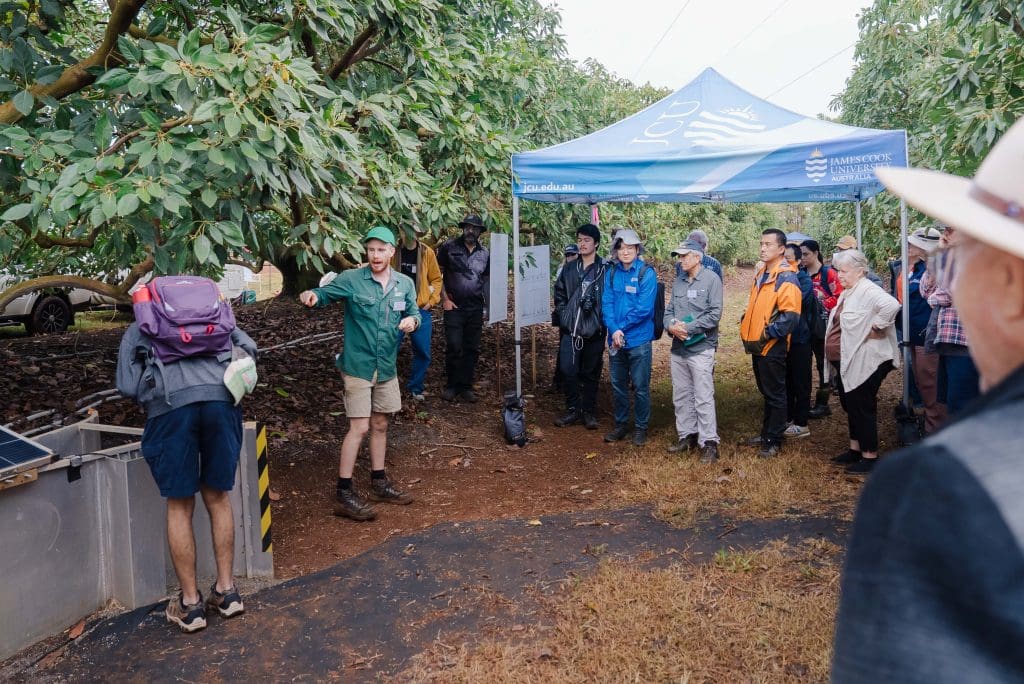
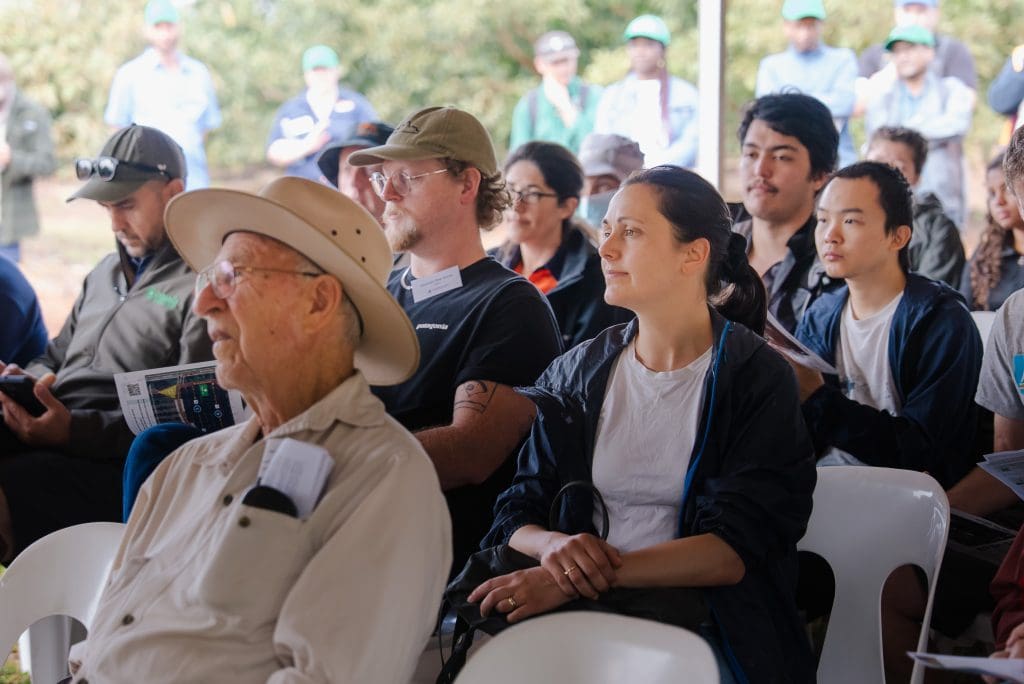
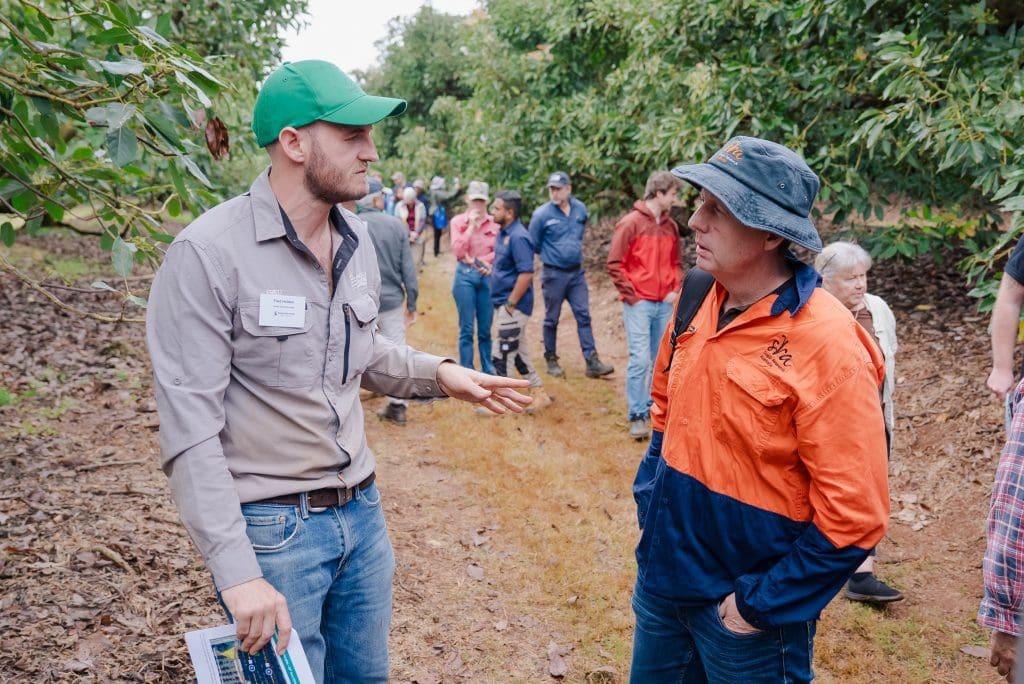
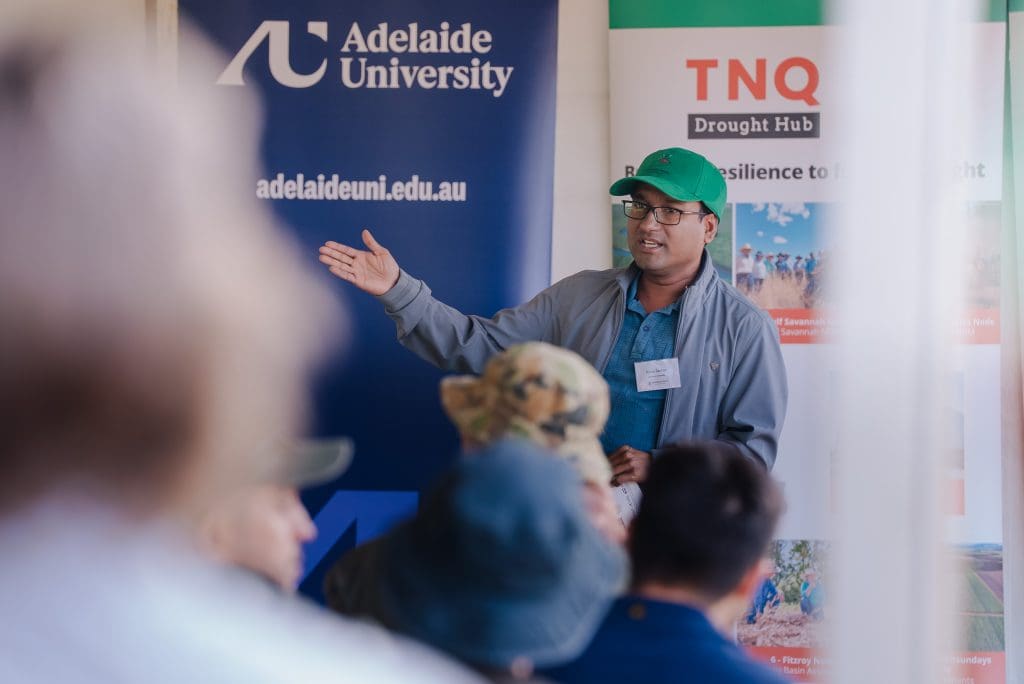
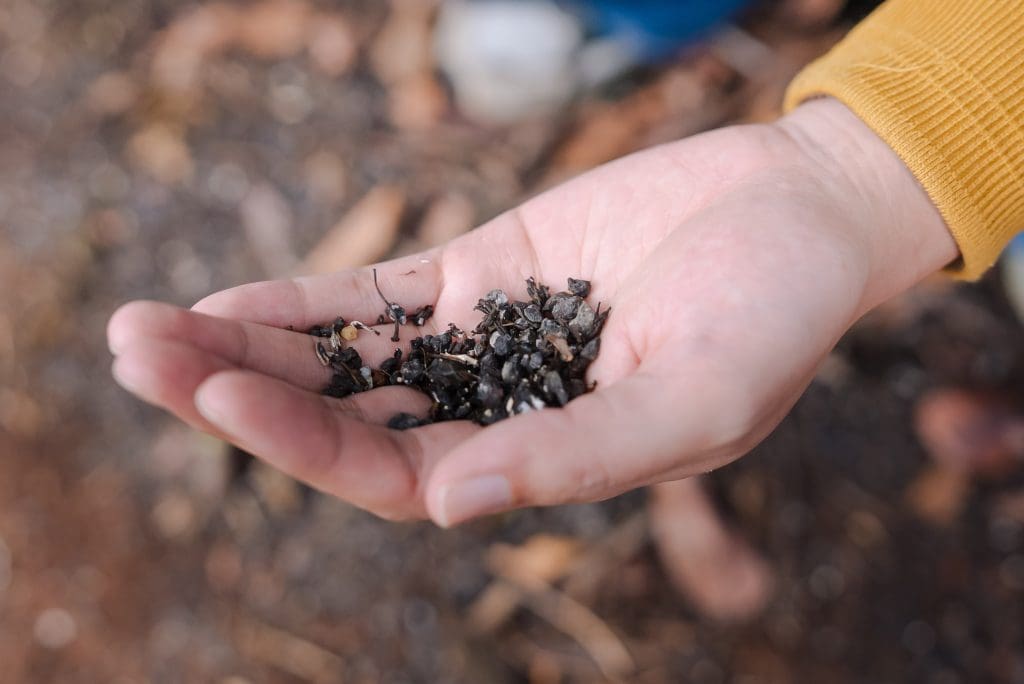
Seeing the research in the paddock prompted discussions about how ERW could fit within different farming systems, what further research is needed and how lessons from the trials could be applied across other regions and industries.
“We showcased Enhanced Rock Weathering in a way that made it tangible,” Karen said. “People could see the trials, ask questions and understand how this research could apply on farm now and into the future.”
The week also sparked conversations about future collaboration, with researchers, industry and government exploring opportunities to continue working together as the science develops.
Karen said one of the biggest successes was seeing participants leave with practical ideas they could apply in their own regions.
“I don’t think there was a single person who walked away from the week without having something to enact in their own environment,” she said.
For the TNQ Drought Hub, one of the greatest outcomes wasn’t just the research shared over the two days, but the new connections and conversations that will continue long after the event. As ERW research progresses, those partnerships will help ensure knowledge is shared, tested and applied alongside producers, researchers and industry, supporting practical innovation and informed decision making across Australian agriculture.
Learn more about the Enhanced Rock Weathering Project.
This Enhanced Rock Weathering project is supported by the Australian Government through funding from the Climate-Smart Agriculture Program under the Natural Heritage Trust. The project is delivered in partnership with James Cook University, Adelaide University, Carbonaught, Cascade Climate and the Tropical North Queensland Drought Resilience Adoption and Innovation Hub.
The Tropical North Queensland Drought Resilience Adoption and Innovation Hub received funding from the Australian Government’s Future Drought Fund.
The Regional Soil Coordinators are supported by the Australian Government through funding from the Climate-Smart Agriculture Program under the Natural Heritage Trust.